Home > News > Industry News
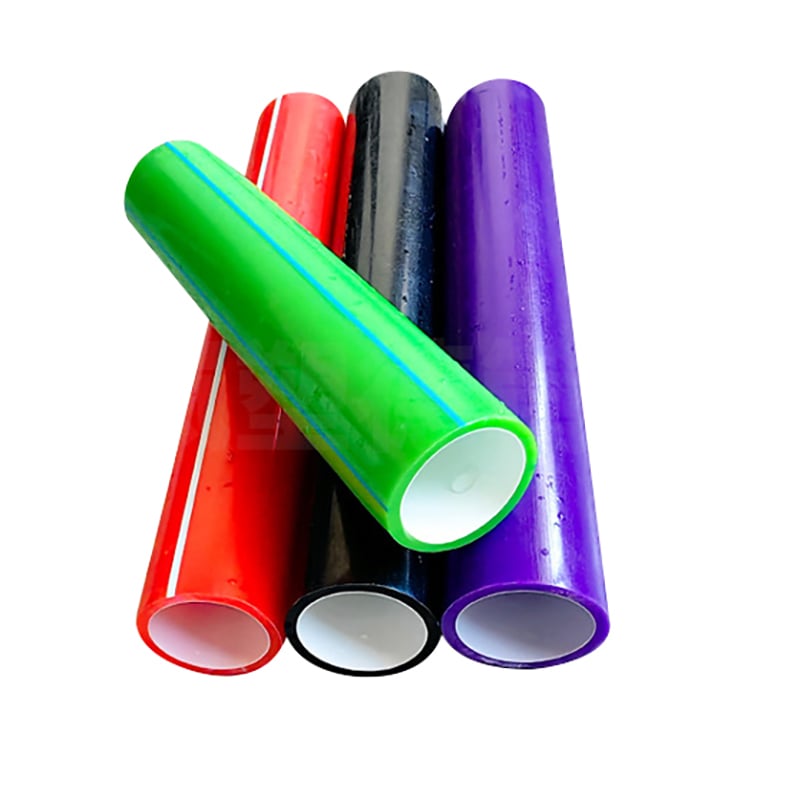
As a core component of modern agricultural irrigation systems, the importance of PE irrigation pipe is self-evident. Thanks to its exceptional performance and wide range of applications, this type of piping has become an indispensable asset in the irrigation of modern farmlands.
First and foremost, PE irrigation pipe is grounded in a unique material—polyethylene (PE)—which endows it with outstanding corrosion resistance. Whether facing the corrosive effects of acidic or alkaline soils, or enduring prolonged immersion in irrigation water containing various chemical substances, PE pipes maintain stable performance; they neither rust nor degrade over time, thereby ensuring long-term operational reliability.
Secondly, the flexibility of PE irrigation pipe stands out as one of its key highlights. Compared to traditional metal piping, PE pipes can effortlessly adapt to a wide variety of complex terrains and soil conditions. Whether laid across rugged mountainous regions or soft marshlands, installation is straightforward, significantly reducing both construction difficulty and costs.
Furthermore, the eco-friendly nature of PE irrigation pipe is highly commendable. As a recyclable material, PE piping can be reused following simple processing once it reaches the end of its service life, thereby minimizing resource waste and environmental pollution. Additionally, its manufacturing process generates minimal waste, aligning with the principles of green production.
Moreover, PE irrigation pipe exhibits excellent compressive strength and abrasion resistance. It resists cracking or deformation even when subjected to significant internal pressure; likewise, its surface maintains a high degree of structural integrity when exposed to external impacts or friction.
In summary, by virtue of its multiple advantages—including corrosion resistance, superior flexibility, eco-friendliness, and resistance to compression and abrasion—PE irrigation pipe demonstrates broad application prospects and immense potential for future development within the field of modern agricultural irrigation.

Shijiazhuang Shentong provides high-quality HDPE, PPR, and PEX pipes for building, municipal, and industrial applications. OEM/ODM services, ISO-certified production, and export to 60+ countries. Request free samples today.
Luancheng District, Shijiazhuang City, Hebei Province.
Copyright © 2025 by Shijiazhuang Shentong Plastic Industry Co., Ltd. Privacy Policy
 EN
 Hot News