Home > News > Industry News
HDPE pipes provide the best drainage options because of their hydraulic properties. Unlike other pipes, these ones have smooth interiors, which decreases friction. Therefore, energy is used far less when moving wastewater or stormwater. Because their interiors are smooth, HDPE pipes are not as likely to get clogged as other drainage pipes, which means they are able to move water uninterrupted and at maximum capacity. Because of this, drainage systems are able to work at their best, even when it is raining heavily or there is a lot of wastewater.
This unobstructed flow improves the performance of drainage systems and decreases operating costs. Less friction in the pipes means that more energy is used by auxiliary equipment, like pumps, which helps maintain flow rates. In the long run, this helps save energy. For big drainage projects, like stormwater systems or wastewater treatment, this hydraulic efficieny helps reduce costs while also managing water effectively. Smooth interiors of drainage pipes also help with cleaning and maintenance, which increases systemic efficiency even more.Cost-Effectiveness That Balances Quality and Budget
Thanks to all their benefits, HDPE pipes are among the most used pipe materials for drainage systems. These drainage systems are highly cost-effective, considering how much value and benefits you receive. Over the life cycle of the project, costs are significantly lower because of the long life maintenance free, and easy to install systems. Because they are lightweight, costs logistics costs are also minimized, also heavy machinery are not needed for installation.
Cost-effective systems are also efficient to install. Because of their seamless fusion, the joints are leak proof, meaning the risk of water seepage is eliminated. Because fusion is quicker than other traditional jointing pratices found in piping, there is also reduced drainage system installation time. Further, the systems are flexible and can bend around obstacles. This decreases the quantities of fittings and adapters needed, meaning less costs for materials and labor. For HDPE pipes, an effective and cost efficient system is composite for the budget restricted systems.
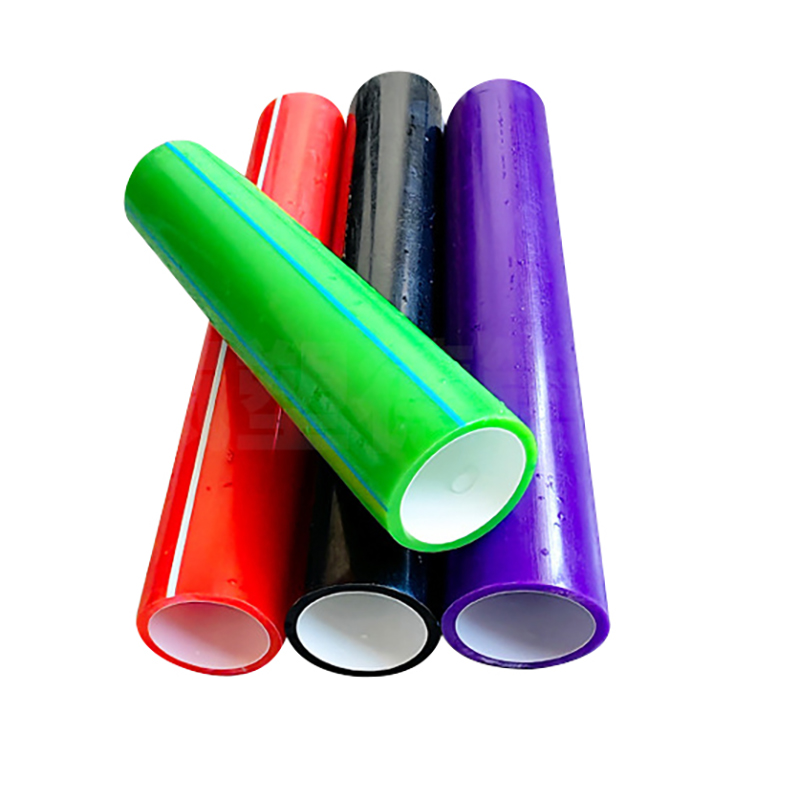
Because of the good characteristics of recycled high-density polyethylene (HDPE), the pipes made of this material have the greatest eco-benefit of being drains. It is the only material in the world when it is damaged it can be recycled. It can be recycled into something new. Unlike some traditional drain- age products, it is non-toxic, leaving only pure, sediment free groundwater.
It also requires significantly less energy in its production compared to the production of metal or concrete pipes, therefore lowering the carbon foot- print. Their lightness also lowers the carbon footrpint when transporting, since less fuel is consumed. For the projects targeting green building and sustainable development, hdpe pipe is the best eco-friendly option. Because of the modern enviromental attributes it possess eco-friendly pipe is the best option for the government, the municipalities and the private sector.
HDPE pipes are great for many applications in drainage for their versatility. With small pipes for residential drainage to large diameter pipes for municipal and industrial projects, drainage systems can work for any drainage system. They work for stormwater management, wastewater disposal, and agricultural drainage, allowing for any specific requirements.
HDPE pipes can also be modified for any custom issues depending on the project; unique pressure rating and unique wall thickness. They work great above ground and below ground; their resistance to harsh weather means they can be used in any weather (freezing to scorching). They work well for industrial, urban, or rural drainage. This versatility means you do not have to get different pipes for the different applications. This also means no performance issues in different pipes.
Due to its great overall versatility and cost-effectiveness, as well as its durability, hydraulic performance, and environmental sustainability, high-density polyethylene (HDPE) piping are often regarded as the best option for drainage systems around the globe. These pipes provide value that is unmatched in the industry as drainage systems are challenged to provide environmental and budget-friendly long-term drainage solutions that are reliable. These pipes are a drainage solution for small residential structures as well as large municipal municipal systems. The drainage systems are adjustable to the conditions and the needs of the surrounding community, making high-density polyethylene piping a dependable and effective option for any water management system.

Shijiazhuang Shentong provides high-quality HDPE, PPR, and PEX pipes for building, municipal, and industrial applications. OEM/ODM services, ISO-certified production, and export to 60+ countries. Request free samples today.
Luancheng District, Shijiazhuang City, Hebei Province.
Copyright © 2025 by Shijiazhuang Shentong Plastic Industry Co., Ltd. Privacy Policy
 EN
EN
 Hot News