Home > News > Industry News
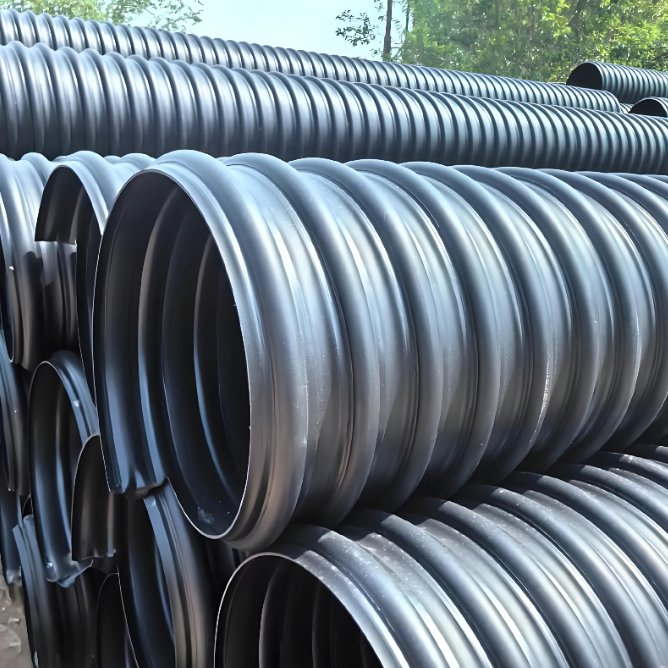
It's crucial to understand core specifications at the start of matching pipe fittings to pipes, as this will be the most important part to ensure connection quality and the assurance that every part will be in service for an extended period of time. The first part of this is pressure rating. Pipes and HDPE fittings should bear the same pressure, be of the same rating, and, for example, be either PN10, PN16, or PN25. Having a fitting with a pressure rating lower than that of the pipe will cause safety and leakage issues under operating pressure, and, conversely, fitting into a rating too high will be overly expensive and counterproductive to the goal of being cost-effective.
Then comes the material grade. Ideally, if it's of good quality, the HDPE product will be made of pure raw material, and both fittings and pipes should be made with the same material standards, which should be PE100. Not doing this will cause material grade inconsistency as a result of surface fusion during connection, which will also cause the overall system to lack stability and the service life will drop. From here, there should be standard fittings. The wall thickness and outer diameter of the fittings should wholly match the pipe; if there is too much difference, system will have either a leaky connection or too much stress at the joint which will cause weak joints and increasing the amount of water that can leak over time.
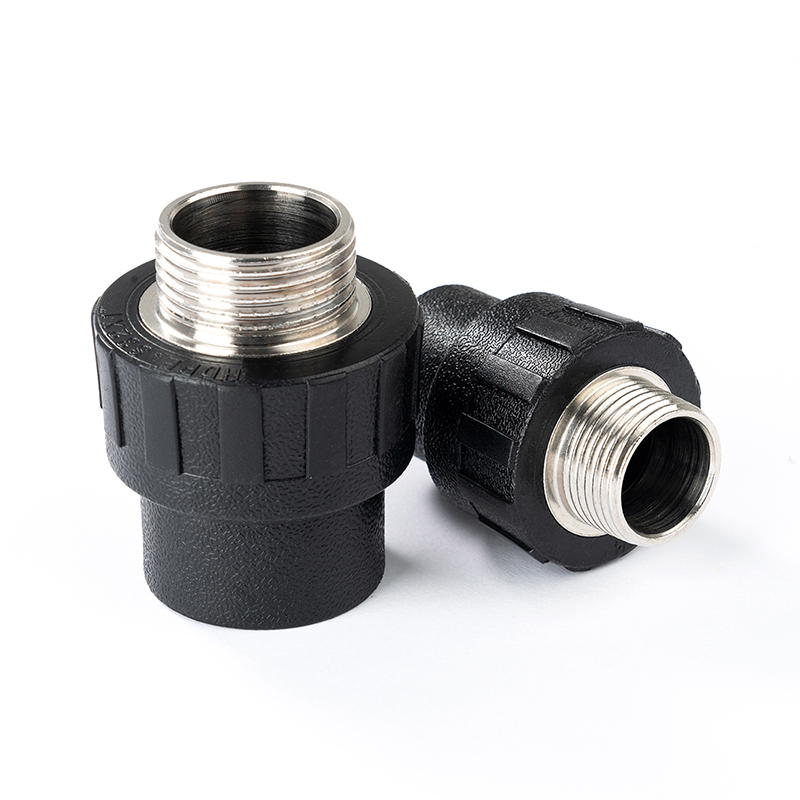
One of the methods of joining pipe systems is butt fusion. It is the most appropriate joining method for large diameter pipes used in large projects like municipal water supply. It fuses joints without anticipation of leakage. It is also supremely reliable. It eliminates the need for routine maintenance. It is the most cost-effective choice for large projects. It reduces expenses significantly by minimizing the need for replacements in projects that require copious replacement parts.
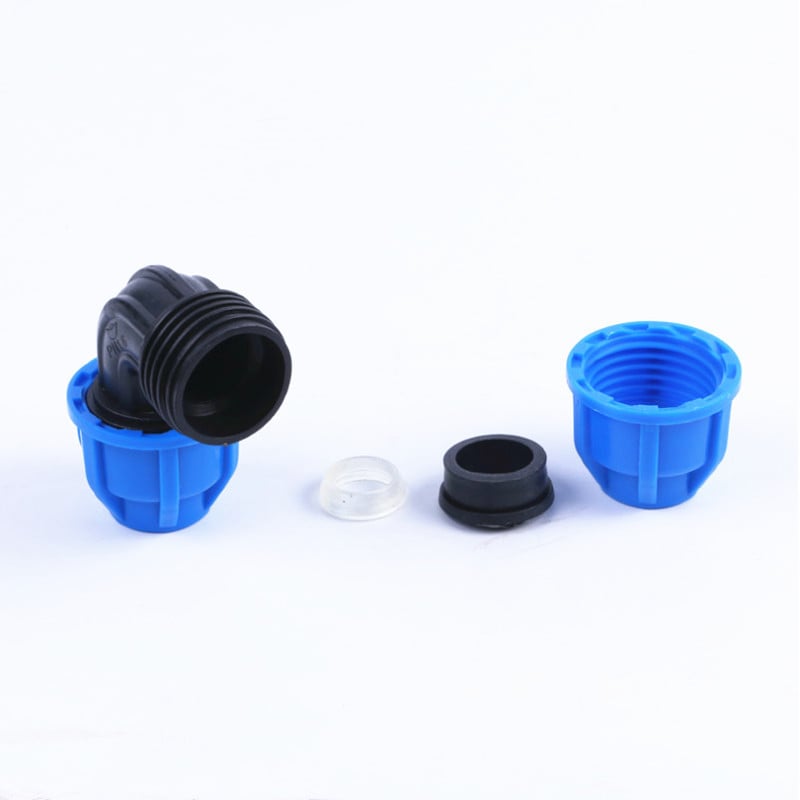
In the case of small diameter pipes in projects like residential plumbing and cable conduits, electrofusion fittings bring the correct measurement and ease. Electro fusion fittings have built in heating elements that ensure even connection across the fusion joint. This even heating ensures a good connection is formed even if the installer is not a professional. Installing joints a accurate way and maintaining a good connection also reduces the time of construction and indirectly saves installation costs. For setups that require less permanence, adding male mechanical fittings like elbows and tees is a good choice. They are easy to install and maintain without fusion equipment making them cheap for temporary small scale projects.
Certified HDPE pipes, fittings and other related accessories are a great cost saving investment. Using non-certified products brings a myriad of hidden costs. Certified products, meeting GB/T19001 standards and others, go through extensive quality control processes, and because they use 100% raw materials and additives, they are safe contaminants to drinking water, and have a range of health safe specifications and excellent health performance. They are also UV resistant and age resistant, with a life, service, of 50 years, whereby they significantly reduce and frequency of replacements and long-term maintenance costs.
The use of substandard fittings increases the possibility of using recycled materials, which makes the fusion of the material poor and texture brittle. These problems results of problematic frequent repairs which can lead to expensive repairs and even complete loss of the whole system. This ends up resulting in massive loss of economical value and funding. Quality-certified products are the best option despite having a high initial cost as they are more reliable. This was seen in the performance as well as longevity. The specifications are also consistent to increase the chances of being compatible with pipes. This makes procurement and installation seamless as they simply have to be the same.
When selecting HDPE pipe fittings, one must consider the adaptability and longevity of the fittings alongside the pipes, and consider the specific application environment. In extreme pressure situations like urban water supply networks, the fittings need to be reinforced to improve pressure and resist deformation. For underground drainage projects, it is beneficial to select fittings that have smooth inner walls, as these fittings decrease friction, improve efficiencies of water flow and avoid clogging, ultimately decreasing maintenance for the project.
If the fitting is in tough conditions such as high levels of unfiltered UV radiation or extreme temperature shifts, it is essential to select UV-resistant and weather-resistant fittings. This choice will help avoid aging of the material, and will also extend the service life. In regions with shifting, unstable geology, flexible fittings will perform best as they will better absorb ground settlement or vibration, which helps avoid joint fractures. These considerations of the environmental factors will guarantee that the system can operate seamlessly, and that there will be minimal need for later alterations or replacements. This will contribute to the efficiency of the entire project and will ultimately find a better use for resources.
Even with perfectly matched HDPE pipes and fittings, an improper Installation of them will ruin the entire system. Quality assurance on the connection will require the adherence of professional Installation Standards. In the case of fusion installation, the required temperature, pressure, and time must be maintained per the specifications to allow the complete fusion of the interfaces of the pipe and fitting. Inadequate fusion pressure or uneven heating of the fusion may result in weak joints that will likely leak.
Once the installation is complete, a comprehensive Inspection must be conducted. Systems that undergo Pressure Testing can determine the system's sealing capability, whereas Visual Inspection can determine Installation defects; improper alignment or fitting damage. Ignoring these issues also has a negative isocost effect, and is especially true for corporations; project quality and reputation will be relatively improved, and longevity of business will be assured.

Shijiazhuang Shentong provides high-quality HDPE, PPR, and PEX pipes for building, municipal, and industrial applications. OEM/ODM services, ISO-certified production, and export to 60+ countries. Request free samples today.
Luancheng District, Shijiazhuang City, Hebei Province.
Copyright © 2025 by Shijiazhuang Shentong Plastic Industry Co., Ltd. Privacy Policy
 EN
EN
 Hot News