Home > News > Industry News
There can no longer be any debate about the need for sustainable practices in manufacturing. Within the construction sector, the environmental benefits of using High-Density Polyethylene (HDPE) pipes in construction and plumbing infrastructures is clear, and is now being advocated and promoted throughout the world's construction supply chains. Unlike conventional materials with a high carbon footprint, or those which do great long-term damage to the environment, HDPE is far more sustainable and durable. It represents a step forward in usable, sustainable materials for the construction of public works, while being more affordable than materials with a similar carbon footprint.
Technical attributes of HDPE distinguish it from other pipes in the industry. One of the primary characteristics is its remarkable endurance quotient, having the ability to last approximately 50 years. HDPE's ever-lasting characteristics, however, stem from its ability to withstand corrosion, aging, and UV radiation. Hence, pipes made of HDPE can withstand damaging environmental conditions and still remain intact. High smoothness of the inner walls of the HDPE pipes is also another technical merit, improving efficiency and energy demands over fluid transport. Furthermore, HDPE is non-poisonous and has no noxious additives, which means it will never pollute the drinking water, or other fluid, accessed through its pipes, thereby protecting the highest public and environmental health and welfare.
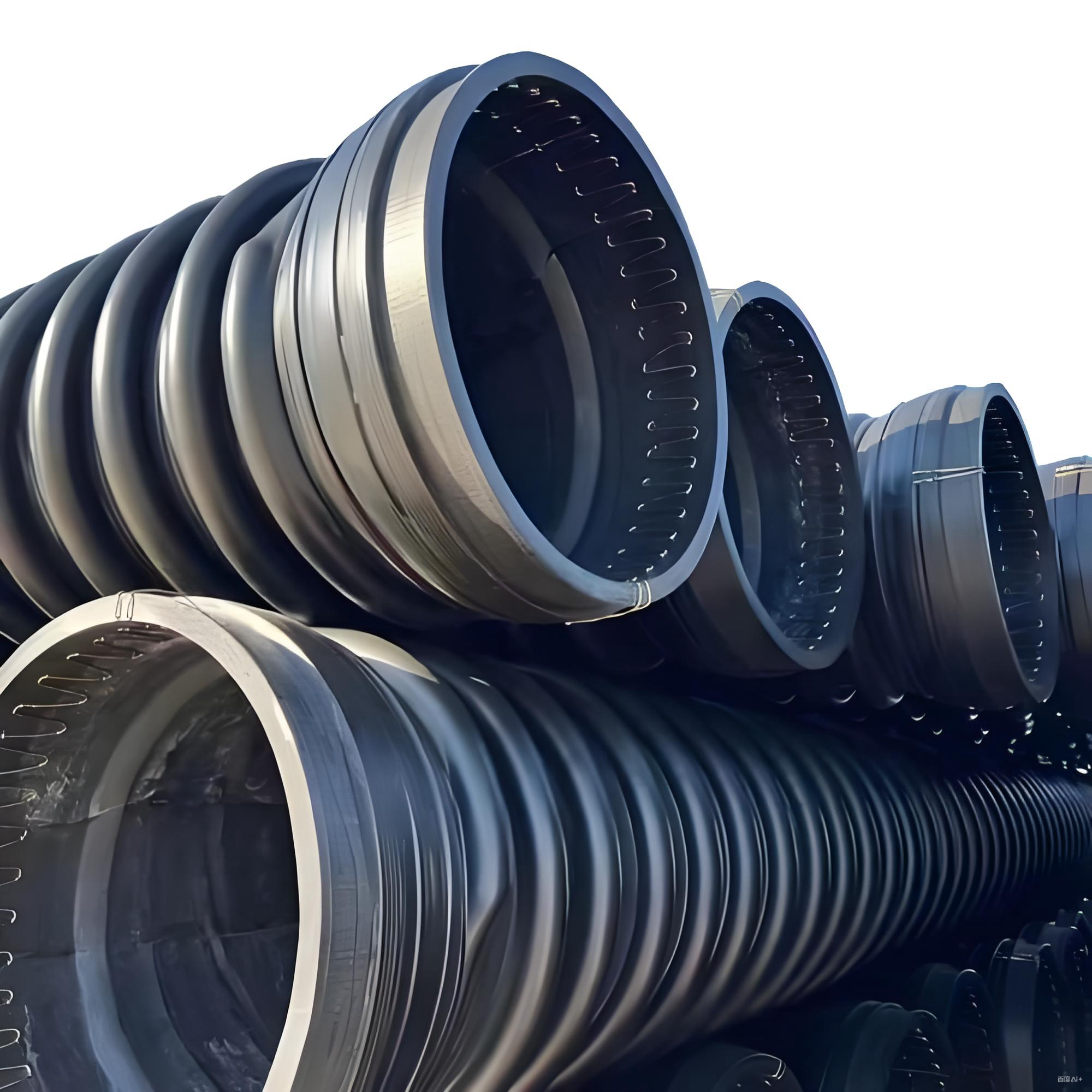
The most important thing about these materials is their sustainability. Once their service life is over, HDPE can be shredded and recycled into other products. This contributes to less landfill waste and less demand for virgin materials. In addition, the process of making HDPE pipes uses less energy than other traditional materials like metal and concrete, so there is less of a carbon footprint. Additionally, the energy and cost of transport is less because more pipes can be shipped at once. For projects that aim for green building certifications or require environmentally friendly practices, the use of HDPE pipes is a great way to meet the goals of these projects.
HDPE pipes are extremely cost-effective. The initial cost might be similar to some traditional materals or even slightly higher, but the savings over time are incredible. They have a service life of over 50 years, meaning less replacements and lower maintenacne over time. HDPE is also resistant to corrosion and other damages, meaning no protective coatings are required over time and repairs will be infrequent. The easy installation due to the flexibility and various covering methods also means less labor will be required. This pipes are cost effective and of the highest quality, which makes them a great option for small scale and large scale projects alike.
The ability of HDPE to adapt to the surroundings gives it the ability to develop and spread to many different industries across different parts of the world. In both the urban and rural contexts, HDPE is used in the supply and drainage of water and is able to withstand different pressures and flow rates of water. In telecommunication, HDPE is used to shield and stabilize the signal of underground cables. When it comes to industrial piping systems, the molecule is just as effective because it is not chemically corroded and can carry fluids. Whether in sustainable water source projects in Africa, urban renewal projects in Europe, or regular supply projects in the Americas, HDPE pipes have proven flexibility to adapt to different geological conditions and projects. That is why they remain the world's top choice for pipeline solutions.
In the Made Pipe market, HDPE is the most Eco friendly, Technically advanced, Cost Effective, Diverse, Goods of Choice. Others excel in 1 area while frustrating the customer in several. Not HDPE. It is Multi-dimensional, More Eco Friendly Long Term, Value Sensitive. It is the smart Eco Friendly HDPE choice. Frequent Quality Control (QC) of HDPE pipes assures Consistency of Quality, Proven Reliability and is Performance Trust worthy. It is not surprising that there is much interest in HDPE as a valuable unless for pipeline products.
Because of its unique qualities, HDPE has become an environmentally friendly, high-value, and economical choice in the manufacturing of pipes. Its technical advantages, sustainable qualities, multifunction capabilities, and affordable prices make it the best option for projects that require long-term value. As global demand for sustainable manufacturing increases, pipe manufacturers will become more innovative. If you are striving for overall reduced costs and low environmental impact, HDPE is the best option for creating a more efficient infrastructure for future projects.

Shijiazhuang Shentong provides high-quality HDPE, PPR, and PEX pipes for building, municipal, and industrial applications. OEM/ODM services, ISO-certified production, and export to 60+ countries. Request free samples today.
Luancheng District, Shijiazhuang City, Hebei Province.
Copyright © 2025 by Shijiazhuang Shentong Plastic Industry Co., Ltd. Privacy Policy
 EN
EN

 Hot News