EN


Electrofusion HDPE: How the Joining Process Works
Electrofusion HDPE joins polyethylene pipe with a fitting that contains electrical resistance elements. An approved control unit sends the fitting-specific electrical cycle through those elements, warming the fitting and pipe contact zone until the compatible polymer surfaces join. Electrofusion HDPE is therefore a controlled joining method, not simply a step of applying power to a fitting.
For construction, municipal water, and pipework teams, electrofusion HDPE is useful to understand as a sequence: check the components, prepare the pipe, assemble and restrain the joint, run the recorded cycle, and allow full cooling. Each electrofusion HDPE joint depends on the actual pipe, fitting, control unit, and site conditions being compatible.
How an electrofusion HDPE joint forms
An electrofusion HDPE fitting contains embedded resistance wires. During the programmed cycle, they heat the contact zone between the fitting bore and the outside of the pipe. The softened polymer joins while clamps keep the assembly stable. Once the specified cooling period has passed, the electrofusion HDPE connection regains strength as a joined pipe connection.
The precise voltage, cycle time, cooling time, and allowed operating conditions come from the fitting label, barcode, fitting instructions, and compatible control equipment. Those values vary by product, so an electrofusion HDPE installer should not create settings from a general guide. Project specifications and local requirements may also define additional controls.
Where electrofusion HDPE may fit in a project
Electrofusion HDPE may be evaluated for pipe repairs, tie-ins, branch work, or locations where available space affects the joining method. Couplings, saddles, reducers, elbows, and branch fittings can serve different pipe layouts, but the required electrofusion HDPE fitting type must be identified before purchase.
Electrofusion HDPE and butt fusion are not the same procedure. ISO 21307 concerns butt-fusion procedures for PE piping systems, so it should not be used as the only work instruction for an electrofusion connection. For electrofusion HDPE work, use the applicable fitting procedure, equipment documentation, project method statement, and relevant local rules.
Before selecting electrofusion HDPE, define the pipe outside diameter, SDR or wall category, material designation, conveyed medium, operating conditions, access, and joint configuration. These details make it possible to ask a supplier or project engineer focused technical questions.
1. Verify components and tools
Start an electrofusion HDPE job by confirming the fitting’s size range and intended use against the actual pipe. Verify the pipe markings, the fitting documentation, and the control unit compatibility. The team also needs a suitable cutter, a preparation scraper or peeler, approved cleaning materials, and the required alignment and restraint clamps.
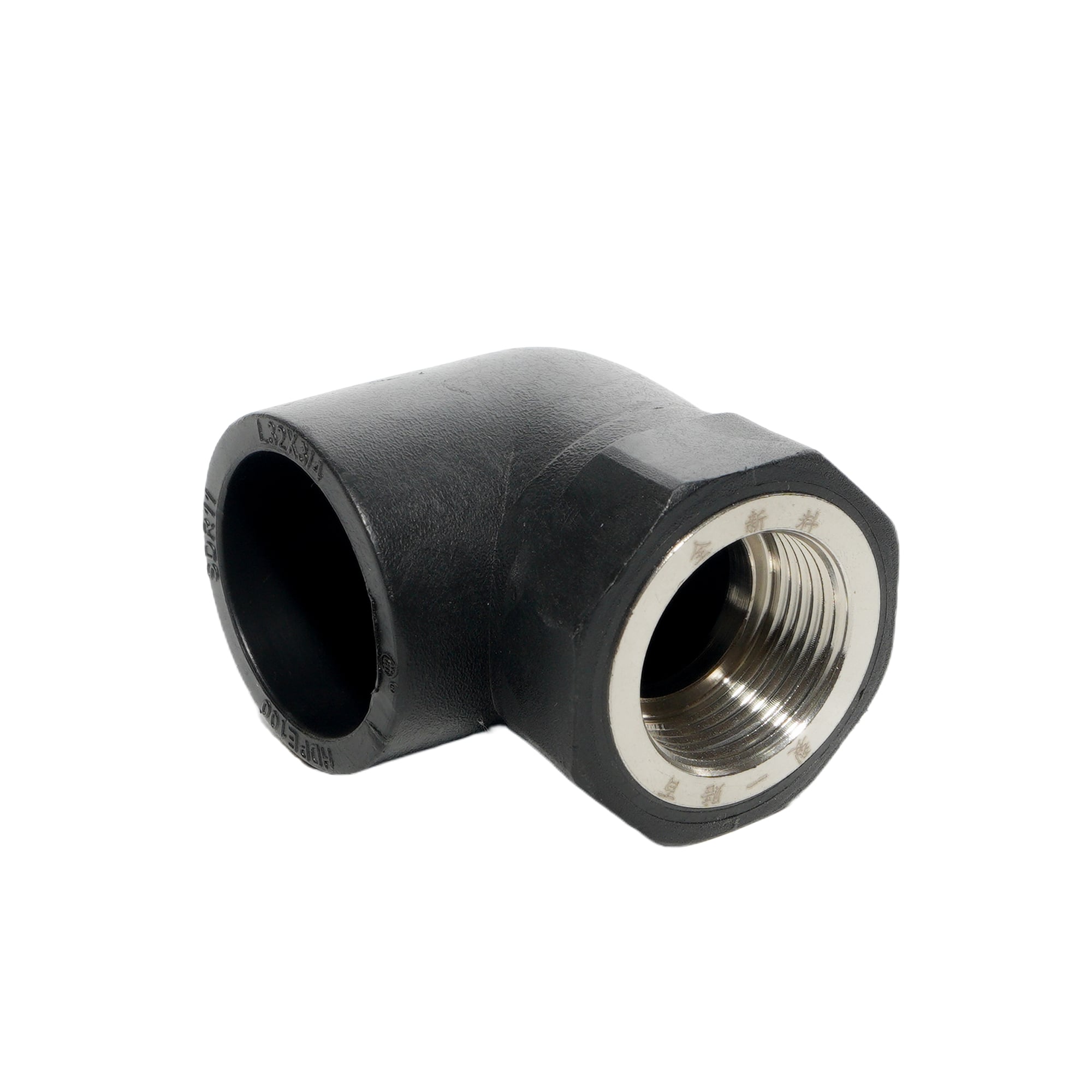
A HDPE100 Coupling/Socket of Heat Fusion Socket can be considered within the fitting category for an electrofusion HDPE discussion. Its product title does not, by itself, establish a project match. Buyers should still confirm dimensions, wall category, fitting instructions, and the installation procedure with the relevant technical documents.
It is easy to focus first on the fitting price. In an electrofusion HDPE purchase, the practical questions are often whether the pipe, tool set, joint type, and jobsite preparation have all been specified. A short pre-installation checklist helps procurement and site teams align before materials arrive.
2. Prepare a clean joining zone
For a coupling-style electrofusion HDPE connection, cut the pipe ends square where the fitting procedure requires it, remove burrs as appropriate, and mark insertion depth and the preparation area. Inspect for damage, moisture, contamination, or out-of-round pipe. If the pipe needs re-rounding, use the approved restraint arrangement before assembly.
Electrofusion HDPE preparation commonly includes peeling or scraping the outside pipe surface in the stated fusion area. The purpose is to remove the oxidised outer layer and expose clean polymer. Use the preparation tool required by the fitting procedure; an inconsistent abrasive method is not a substitute for the documented electrofusion HDPE procedure.
Clean the prepared zone with the approved materials and allow it to dry as instructed. Do not touch the prepared surface. Moisture, mud, dust, or water reaching the prepared electrofusion HDPE zone can change the condition of the joint, so site protection is part of process control.
3. Align and restrain before the cycle
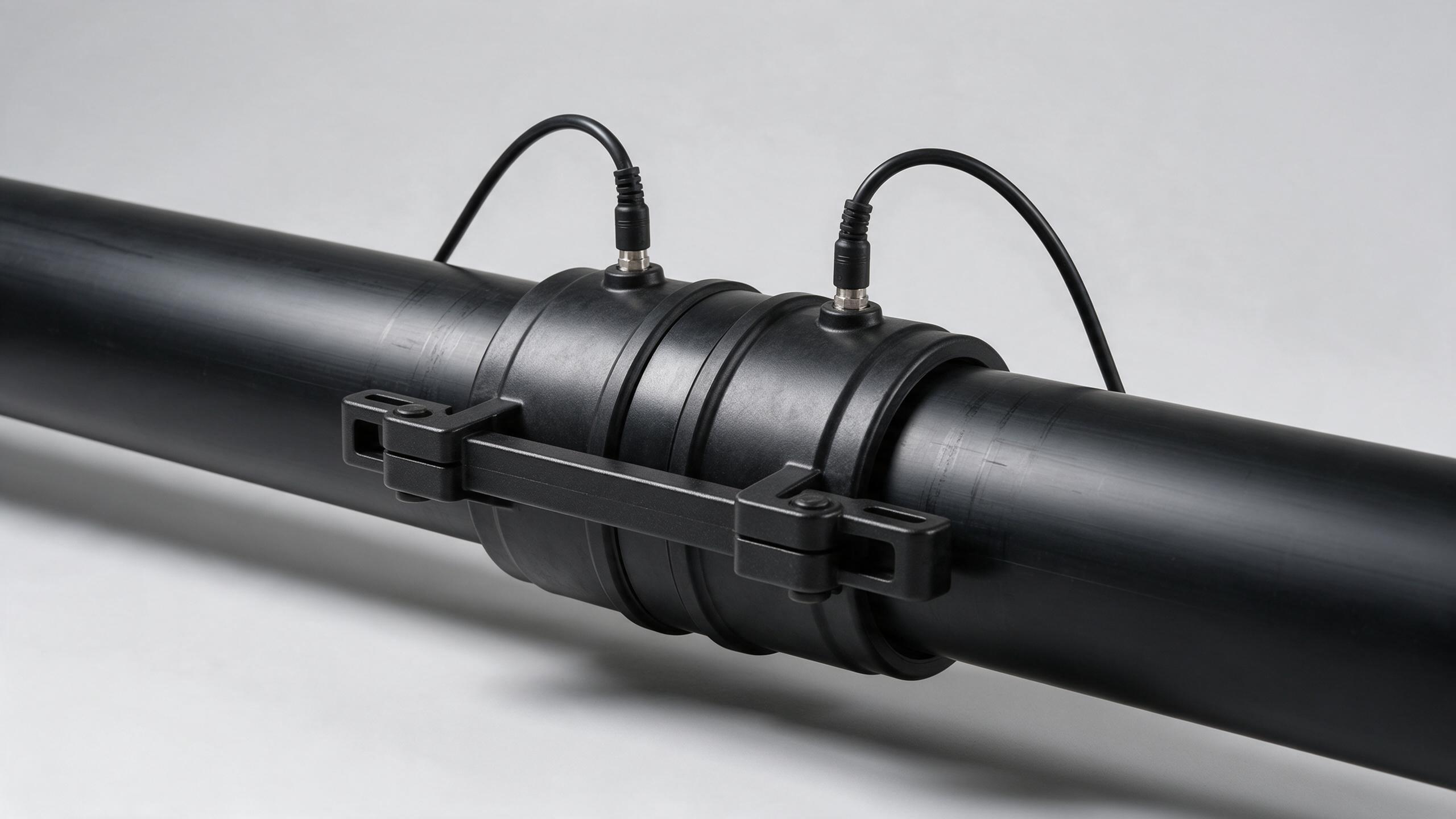
Insert the pipe into the electrofusion HDPE fitting to the marked depth. Install the specified clamps so the pipe and fitting stay aligned and do not carry bending or axial load during heating and cooling. This restraint is especially relevant where an excavation or pipe arrangement places stress on the assembly.
Connect the control-box leads and follow the fitting’s documented barcode or data-entry method. Start the electrofusion HDPE cycle only after the equipment accepts the setup. The fitting-specific data should come from the approved system, not from assumed generic timings.
For traceability, an electrofusion HDPE team may record the fitting identification, pipe details, cycle result, required environmental information, operator, and joint location according to project practice. The record supports later review alongside preparation and inspection information.
4. Cool before moving, testing, or backfilling
When the electrical cycle ends, an electrofusion HDPE joint still needs its stated cooling period. Keep clamps in place and avoid moving, loading, pressure testing, or backfilling the assembly until the fitting procedure allows it. Cooling is a defined part of the electrofusion HDPE process, not an optional pause after the cycle.
If a work schedule conflicts with the stated cooling period, protect the electrofusion HDPE requirement rather than removing restraint early. The fitting documentation provides the applicable timing; a general article cannot replace it.
Electrofusion HDPE checks for buyers and site teams
- Electrofusion HDPE component match: confirm pipe diameter, SDR or wall category, material designation, and fitting range.
- Electrofusion HDPE joint type: identify whether the application requires a coupling, saddle, branch, reducer, or another arrangement.
- Electrofusion HDPE equipment: verify the control unit, leads, scanner or data-entry method, clamps, scraper, and cleaning materials.
- Electrofusion HDPE site readiness: provide a dry, clean area with sufficient access for alignment and restraint.
- Electrofusion HDPE procedure control: follow fitting-specific fusion and cooling instructions.
- Electrofusion HDPE documentation: agree on inspection points and joint-record fields before installation begins.
Conclusion
Electrofusion HDPE works by using a compatible fitting and a controlled electrical cycle to join prepared HDPE pipe, followed by cooling under restraint. The process is simple to outline but depends on verified details: matching components, thorough surface preparation, stable alignment, approved machine data, and sufficient cooling time.
For an electrofusion HDPE procurement conversation, provide the pipe dimensions, application, fitting type, quantities, and available installation equipment. Those inputs allow suppliers and project teams to review the relevant fitting documentation and identify the technical points that require confirmation before field work begins.



 Hot News