Home > News > Industry News
Play HDPE fittings are essential in the construction of a plumbing system, drainage, and industrial systems. For constructors, engineers, and project managers, understanding the most recent standards are a necessity. Because of the scope of their influence, these standards go beyond the technicalities and checklists and instead outline system performance, system safety, and system reliability. In this article, we focus on the most recent standards and the importance of compliance from a technical and business perspective.
The most recent standards set for HDPE fittings are aimed at addressing the most vital aspects of contemporary construction systems. The standards guarantee that the plastic fittings and mating component systems from different suppliers are interchangeable. The standards set for durability specify the range of plastic fittings and the different types of mating materials that are rugged enough to subsist under different corrosive and UV and chemical exposures. In systems that are constructed for holding a potable source, the standards provide for the safety of the system and the safety of the water in protecting against leaching, in which substances are removed from the water. The systems and components that are used that are outdated and do not comply with the standards can lead to system failure, whereby they can lead to multiple losses that are expensive and can lead to delays in the construction of the system.
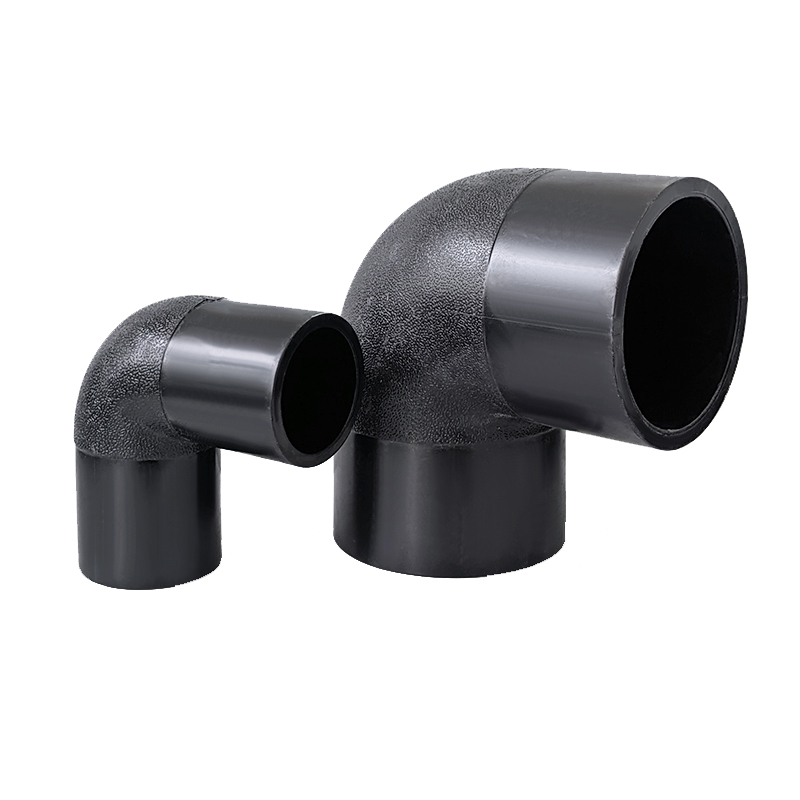
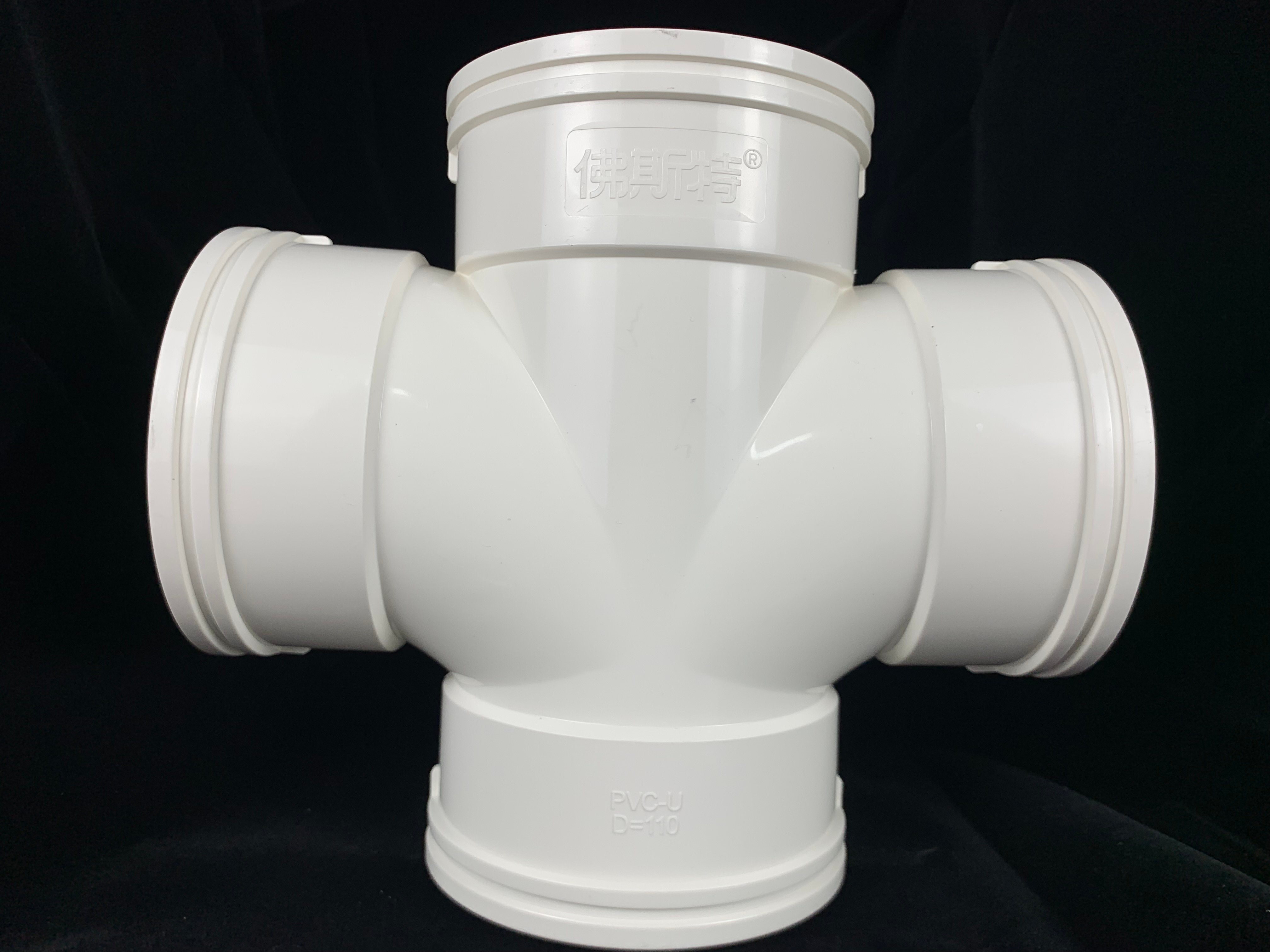
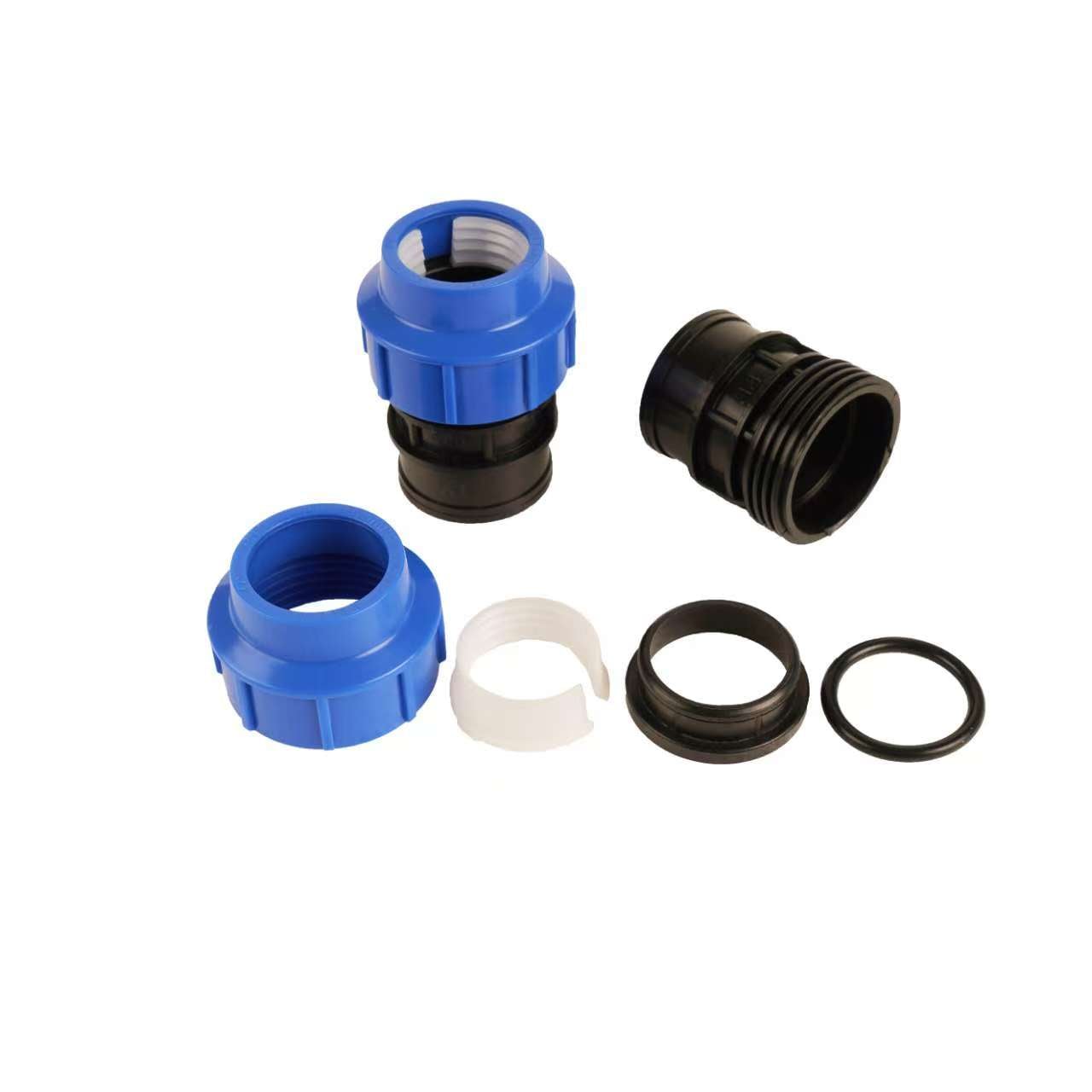
Manufacturers are expected to follow the updated standards for the technical aspects of HDPE pipe fittings. For example, manufacturers are required to ensure their fittings are produced from virgin, high quality, raw materials. Any other materials that are recycled or contaminated which may negatively impact the structural quality of the fittings are prohibited. Ensured control of the fittings’ dimensions should guarantee that the fittings are the same to facilitate ease of installation. Control of the dimensions, including wall thickness, outer diameter, and fitting measurements should be comparable. Another update includes descriptions of the technologies available for the joints. Standards improved description for joints that are leak-free and compatible with hot melt fusion, which enhances the overall system tightness. In alignment with the industry standard, the technical qualities of HDPE pipe fittings are further improved by assigning SN8, SN10, and SN12.5 stiffness ratings to different soil and application condition variations per the industry best practice.
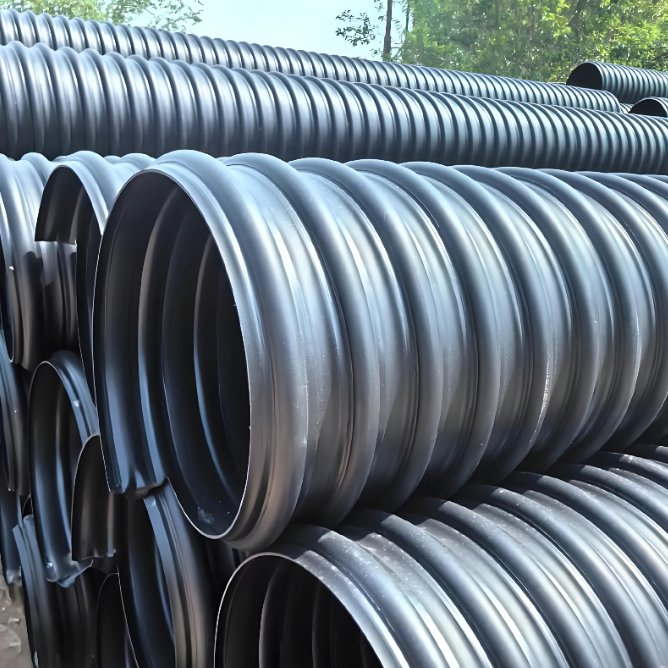
HDPE pipe fitting standards help outline how to best develop real world improvements and new applications. One of our long-standing Caribbean partnerships has us shipping them a few fittings every year for their HDPE double-wall corrugated pipe. Over the years, the client has reported a fabulous zero failure rate, due to the fittings complying with the standards. In fact, even the tough local soil has the fittings proving their structural integrity, as well as their leak proof performance. Another case is Eastern Europe, where a batch of HDPE pipe fittings were sent to a municipal water supply project. After the fittings were reviewed for local technical compliance, they received even more praise for providing a quicker and more efficient installation. Projects such as these exemplify the positive impact of compliance with the standards when adapting to new and complex environments.
The available standards on the HDPE pipe fittings industry bodies and regulators have been widely acknowledged. ASTM D2321 is one of the most recognized standards. It provides guidance on material selection, installation, and performance verification. A manufacturer with sufficient production quality control at various stages may receive certification to the GB/T19001-2008 quality management system. For fittings that contact water intended for human consumption, NSF certification is both standard and regulatory for such applications. Industry professionals have noted that such standards evolve with the available technologies. It has also been noted that such standards strive to meet the technological demand and emerging challenges of the industry, and the most appropriate engineering practice.
There are numerous business benefits for all parties involved with complying with the most recent standards when it comes to HDPE pipe fittings. For contractors and managers, using compliant fittings means not having to endure the trouble of project delays and costly reworks. They build greater customer credibility, because clients tend to love business partners that focus on high-quality and safe fittings. For manufacturers, the standards open the door to the overseas market(s), and that’s because international clients expect products to comply with specific standards. Compliance fittings come with a lower a total cost of ownership; thus, making the clients save on maintenance and replacements due to fittings being more durable and reliable. In the long run, selling compliant HDPE pipe fittings brings more repeat businesses and generates long lasting partnerships.
To select HDPE pipe fittings, a few important details should be kept in mind. First, examine the certification documents for the fittings. Make sure there are no certifying issues with relevant authorities like ASTM, NSF, or GB/T19001. Examine the fittings for color and texture to be sure they adhere to the materials testing standard. Avoid fittings that show contamination, poor marring, or broken manufacturing. Fitting should be appropriate to the project's soil type, pressure, and purpose. Also, check to see that they are compatible with the existing pipe systems, to avoid problems with installation later on. Considering these factors, taking and testing samples is advisable to check the performance of the fittings before the goods are fully procured.
Keeping track of changing standards concerning HDPE pipe fittings is no longer simply a regulatory requirement. With the right intention and understanding, it will be a viable combination of the higher technical and quality standards of construction along with a business success strategy. Knowing the technical aspects, the command of authority in the given field, and applying them to real-life situations empowers the individual to make the right decision concerning the selection and application of HDPE pipe fittings. The Compliance will ensure that infrastructure projects are safe, durable, and efficient and provide long-term business benefits and a competitive edge to the company in the International market. Standard-compliant HDPE pipe fittings provide reliable and sustainable infrastructure for water supply, drainage, and industrial use.

Shijiazhuang Shentong provides high-quality HDPE, PPR, and PEX pipes for building, municipal, and industrial applications. OEM/ODM services, ISO-certified production, and export to 60+ countries. Request free samples today.
Luancheng District, Shijiazhuang City, Hebei Province.
Copyright © 2025 by Shijiazhuang Shentong Plastic Industry Co., Ltd. Privacy Policy
 EN
EN
 Hot News