Home > News > Industry News
What comes to mind when selecting pipes for a construction project? One important thing to consider is temperature adaptability. Some materials become brittle and crack at low temperatures, while at high temperatures, they can deform and shorten the lifespan of the materials. In this regard, HDPE pipes can be considered a game changer. Whether it be freezing temperatures in the northern areas or high temperatures in industrial sites, these pipes can be relied upon to meet the temperature conditions required in global projects.
The secret behind the temperature resilience of the HDPE pipes lies in their unique material composition. HDPE pipes are not significantly affected by high or low temperatures. High-density polyethylene, or HDPE, has a linear molecular structure that provides its with a high degree of flexibility and an equally high level of thermal stability. This means that extreme temperature fluctuations won't affect the structural integrity of HDPE pipes. Because of this, HDPE pipes can retain their performance, significantly reducing the chances of pipes failing or leaking.
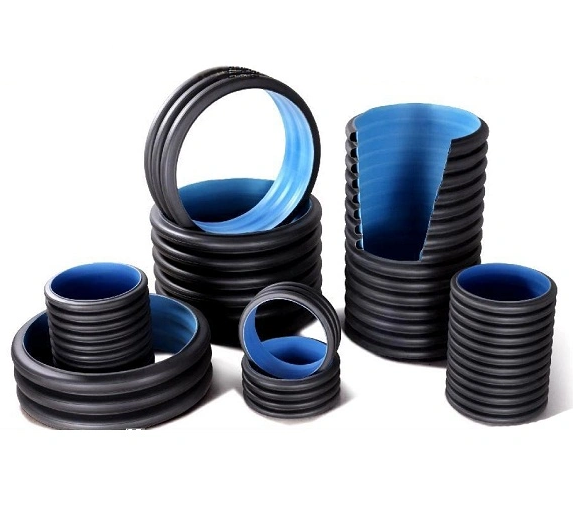
The big issue of most pipe materials is cold weather. Educated Engineering encountered this issue when they first used HDPE pipe in a project in Eastern Europe. Educated Engineering’s contractor in Eastern Europe used HDPE in regional infrastructure projects. Educated Engineering’s contractor in Eastern Europe used HDPE in regional infrastructure projects. After using HDPE in a project, they stated that they encountered no issues when winter temperatures were below zero. Many of the other pipe materials used in regional infrastructure projects would crack, but Educated Engineering’s HDPE would be flexible. A local contractor stated that flexible HDPE eliminated the need for expensive insulation and a reoccuring issues with other pipe materials.
HDPE pipe, just as is the most reliable in low temperatures, is also the most reliable in high temperatures. HDPE pipe is most reliable in applications such as underfloor heating systems. It is most reliable in systems that endure high temperatures. That is a system that is always at high temperature temperatures, above 60 degrees Celsius. In a project, the local contractor stated that the HDPE used in the water supply project along with the heating project met all of the requirements for pressure bearing capacity. In the water supply and heating project, the HDPE pipe met all of the no performance requirements.
When it comes to the adaptability of HDPE pipes in terms of temperature, it is more than simply a marketing gimmick. It is a claim supported by various industry standards and certifications. These pipes meet and conform to the ASTM D2321 standard, which is one of the most recognized standards which illustrates how to choose pipe materials based on the environmental conditions, including temperature. Moreover, they also pass the requirements of ISO 9001, i.e., the quality management systems, which assures that the temperature tolerance is consistent in all the batches manufactured. It is noted that the standards exhibited in such pipes is a strong indicator of their ability to withstand and perform reliably over a range of fluctuating climatic conditions.
The temperature adaptability of pipes also results in great commercial value to the project managers and contractors. The use of HDPE pipes means there is no need to obtain various pipe materials to meet the requirements of the various climate zones, which yields simplicity in procurement and a decrease in logistics costs. A long-time client in Puerto Rico for example, has, for years, depended on same HDPE pipe specifications, even with the weather of the region that is predominantly hot, and with infrequent temperature variations. This hiatus has not only diminished the expenses for maintenance of the pipes, but has also ensured the time and scope of the projects are not impeded, as the pipes would not be in need of special measures or adjustments in accordance to temperature increasing or decreasing.
Making the most of the temperature flexibility of HDPE pipes in installation, is done with the right choice of techniques and materials. Recommended are hot melt connection techniques, as joints will remain secure, evn with varying temp. This method creates seamless connections without smoke and odor. Furthermore, correcting the stiffness of the pipe based on the temperature expectations of the project site is important. Using quality check lists that address material contamination and others, will help the avoid issues related to performance at certain temperatures.
The reason why HDPE pipes can be used in a wide range of temperatures is due it's materials, which have been industry tested and used in many applications. Being able to withstand extreme hot and cold temperatures without failing, saves money and makes project management easier. This is especially valuable to contractors and project managers. When looking for a highly reliable pipe that can adapt to varying climates, durable HDPE pipes are a versatile solution.

Shijiazhuang Shentong provides high-quality HDPE, PPR, and PEX pipes for building, municipal, and industrial applications. OEM/ODM services, ISO-certified production, and export to 60+ countries. Request free samples today.
Luancheng District, Shijiazhuang City, Hebei Province.
Copyright © 2025 by Shijiazhuang Shentong Plastic Industry Co., Ltd. Privacy Policy
 EN
EN

 Hot News