Home > News > Industry News
HDPE is in fact the go to option as a pipeline material in construction projects across the globe and for good reason. It is highly reliable and tough, meaning it will withstand a lot without the need for replacement. While other older and more traditional materials are easily worn and have issues such as cracks and breaks, or will become damaged and perform poorly under extreme and harsh environments, HDPE is reliable, flexible, and strong. That is why it is such a sought after material for residential projects and especially large scale ones like commercial and industrial ones. This article will explore why HDPE pipeline toughness is extremely important, how it is achieved, and how various countries are implementing it in large scale projects. It also discusses the impact it has in construction on the commercial side for project contractors, engineers, and even the project owners.
The toughness of high-density polyethylene (HDPE) materials is attributed to the structure of its molecules. As a high-density polyethylene (HDPE) material is designed with a linear structure of its molecules with high intermolecular strength, which makes it difficult to break or deform the material. This structure enables HDPE to endure impacts, even at low temperatures, without experiencing the brittle failures common to other pipe materials. Also, HDPE can flex and adjust to the movement of soil, or changes in the ground. This is particularly useful in loose or shifting soils. The next important characteristic of HDPE is the longevity of its performance. This is correlated with the resistance HDPE exhibits to chemical and corrosion degradation. Along with the toughness of the material, it ensures that the pipe will last longer without the sludge inside the soil, moisture, or chemicals deteriorating the performance of the pipe, even after years of use.
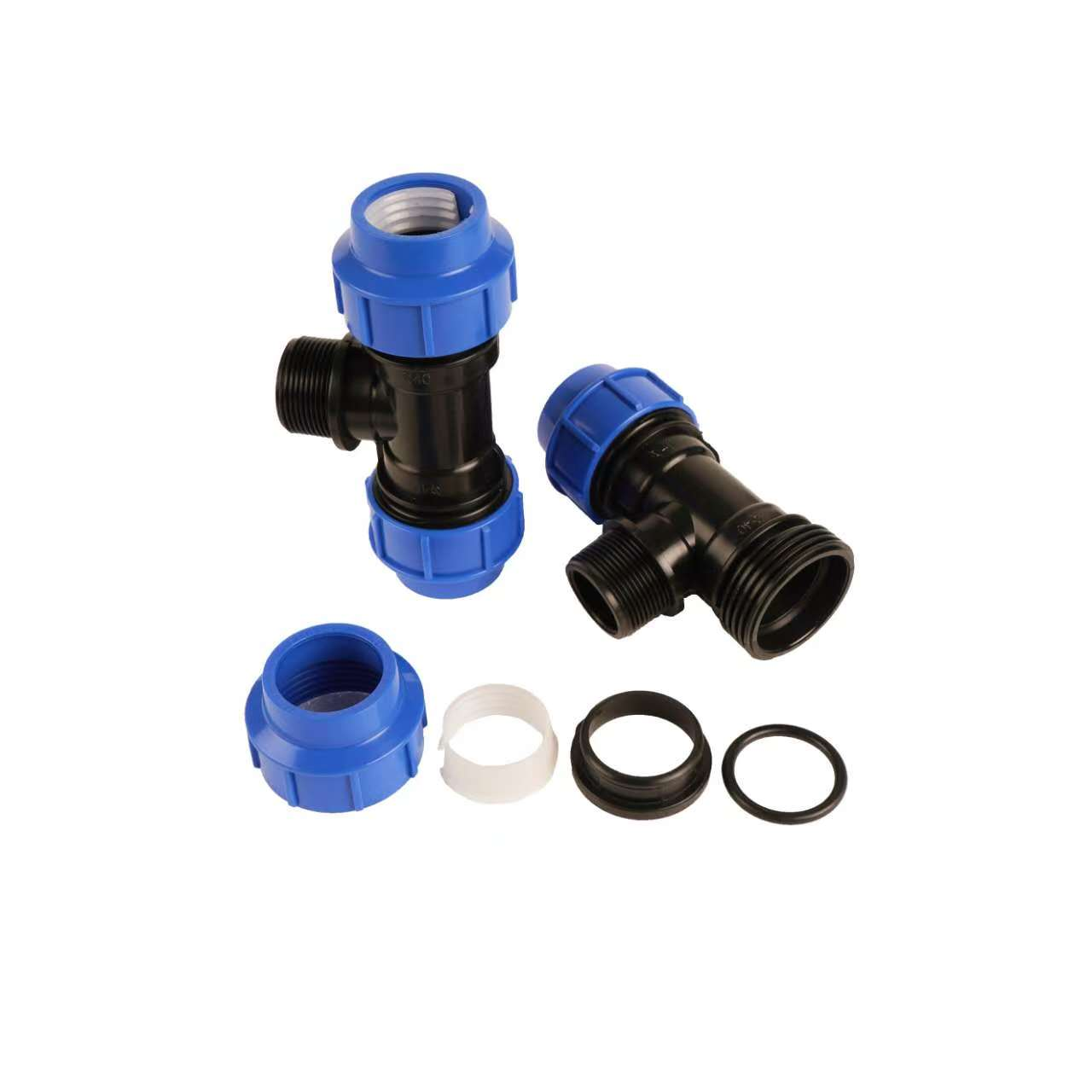
The versatility of HDPE pipes is exemplified in global projects. Due to some difficult geo-technical conditions, the water source needed to be resilient to soil shifts and uneven ground. With the help of the HDPE water source pipes, the project was able to provide a dependable water supply to urban and rural municipalities. This demonstrated their reliability in difficult situations. In Eastern Europe, a full container load of HDPE pipes and fittings was exported and received good reviews from the clients. During and after installation, the clients appreciated the pipes’ resistance to wear and tear. The Puerto Rico client best exemplifies this as he maintains a long-standing partnership and annually places multiple orders of double wall corrugated HDPE pipes. These accomplishments portray the truth that HDPE's technical characteristics of toughness proves to be reliable.
All that was said about the toughness and durability of the HDPE material is not just a claim, as they have industry standard certifications to back it up. HDPE material is compliant with international quality management system certifications. This means that the certain production processes are consistent and reliable. ASTM D2321 is a standard which provides guidelines to help in the selection of pipe materials that are to be used in relation to specific soil conditions and soil stiffness. This provides further support to HDPE material’s versatility for applications. NSF (National Sanitation Foundation) is another example of a certifying body which confirms that HDPE pipes are safe for use in potable (drinking) water systems. This is also a further testament to the toughness of the HDPE pipes that do not put the environment or health in jeopardy. All the certifying bodies mentioned provide endorsements for the project stakeholders to build confidence in the HDPE pipes compliance to regulatory standards in the designated territories.
Project owners and contractors greatly benefit from the toughness of HDPE because high toughness equals high commercial value. HDPE not only reduces the need for frequent replacements, lowering downtime and maintenance costs, but also lasts for over 50 years. In fact, HDPE pipes can help to reduce repair and replacement costs for over 50 years, coupled with long-term infrastructure projects. Furthermore, their durability reduce repair and replacement costs over the years. Additionally, the pipes can be handled and connected quickly and with damage, increasing installation speed. Overall efficiency means less time, and in turn, less labor costs, decreasing the project's overall costs. Clients often feel their dependable pipes deserve the costs.
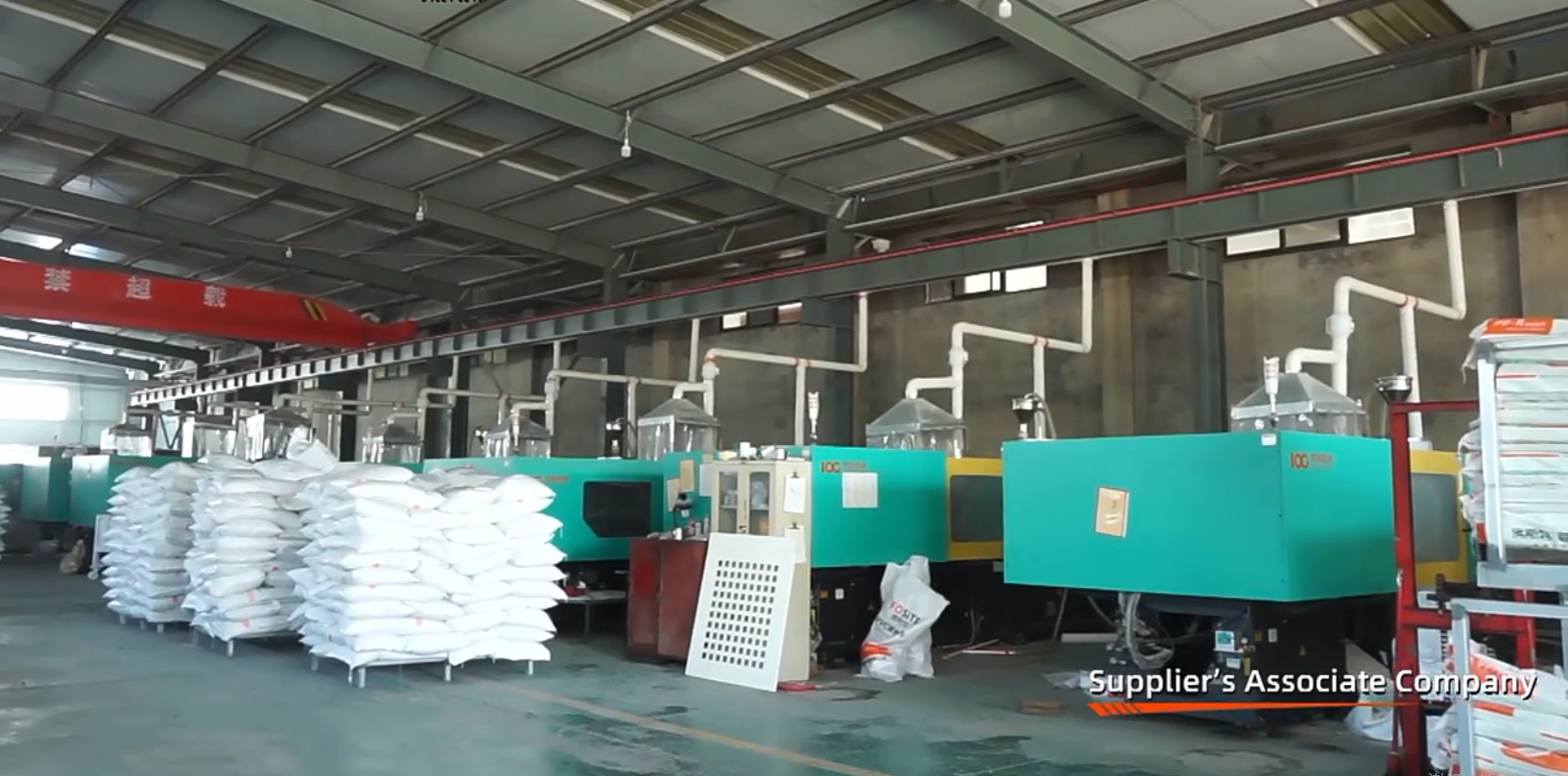
Applying HDPE’s toughness for maximum pipeline durability entails practical steps during selection and construction. It is essential to consider varying stiffness of HDPE pipes in relation to soil conditions. Different types of soil require varying degrees of flexibility to accommodate pressure and movement. Using proper construction techniques such as hot melt connections which are smoke and odor free, promote strong and durable joints. Consistent inspections and the quality checklists remain critical in avoiding/solving the common hurdles. When the inherent toughness of HDPE is coupled with the stated best practices, the project stakeholders are positioned to achieve a pipeline system that can serve for decades.
The durability of HDPE material has made it a world wide favorite for pipeline projects. It's technical traits such as impact resistance, corrosion resistance, and resistance to environmental stresses validate its use in various projects. It is reliable and valuable. With certifications, proving it as a cost-efficient economically beneficial material, it has satisfied numerous clients of varying cultural, geographical, and financial backgrounds. When best practices are adhered to, HDPE pipes are a sustainable, economically beneficial, and cost effective option for water supply, drainage, and other vital infrastructure. For pipeline solutions, the toughness of HDPE is a significant quality that is not to be overlooked.

Shijiazhuang Shentong provides high-quality HDPE, PPR, and PEX pipes for building, municipal, and industrial applications. OEM/ODM services, ISO-certified production, and export to 60+ countries. Request free samples today.
Luancheng District, Shijiazhuang City, Hebei Province.
Copyright © 2025 by Shijiazhuang Shentong Plastic Industry Co., Ltd. Privacy Policy
 EN
EN
 Hot News