Home > News > Industry News
PPR pipes are standard in plumbing and water supply systems globally, but performance varies with grade. These grades are not random designations, however. They indicate varying standards and specifications, material qualities, and intended uses. For customers analyzing this industry, understanding grades is vital in determining whether they will pay for value or underpay for products that will jeopardize the success of the project. Whether for home improvement or commercial projects, the right grade will guarantee the project will withstand the test of time and be safe and cost-effective in the long run.
At the core of how PPR pipes are graded is the quality of the material used. PPR pipes for higher grades are made from 100% virgin raw material, and thus there is a guarantee of enough consistency concerning the pipe's density, melt flow rate, and chemical stability. It is this consistency that makes these pipes more resistant to high temperatures and pressure, and chemical corrosion. Lower grade pipes, however, make use of more recycled materials, and harmful additives that weaken the structure of the pipes. Such materials are brittle and prone to leaks and bursts, especially when subjected to rapid temperature changes, or high-pressure water. The top grades are premium because their raw materials are virgin and fully compliant with international health and safety standards for use in potable water systems.
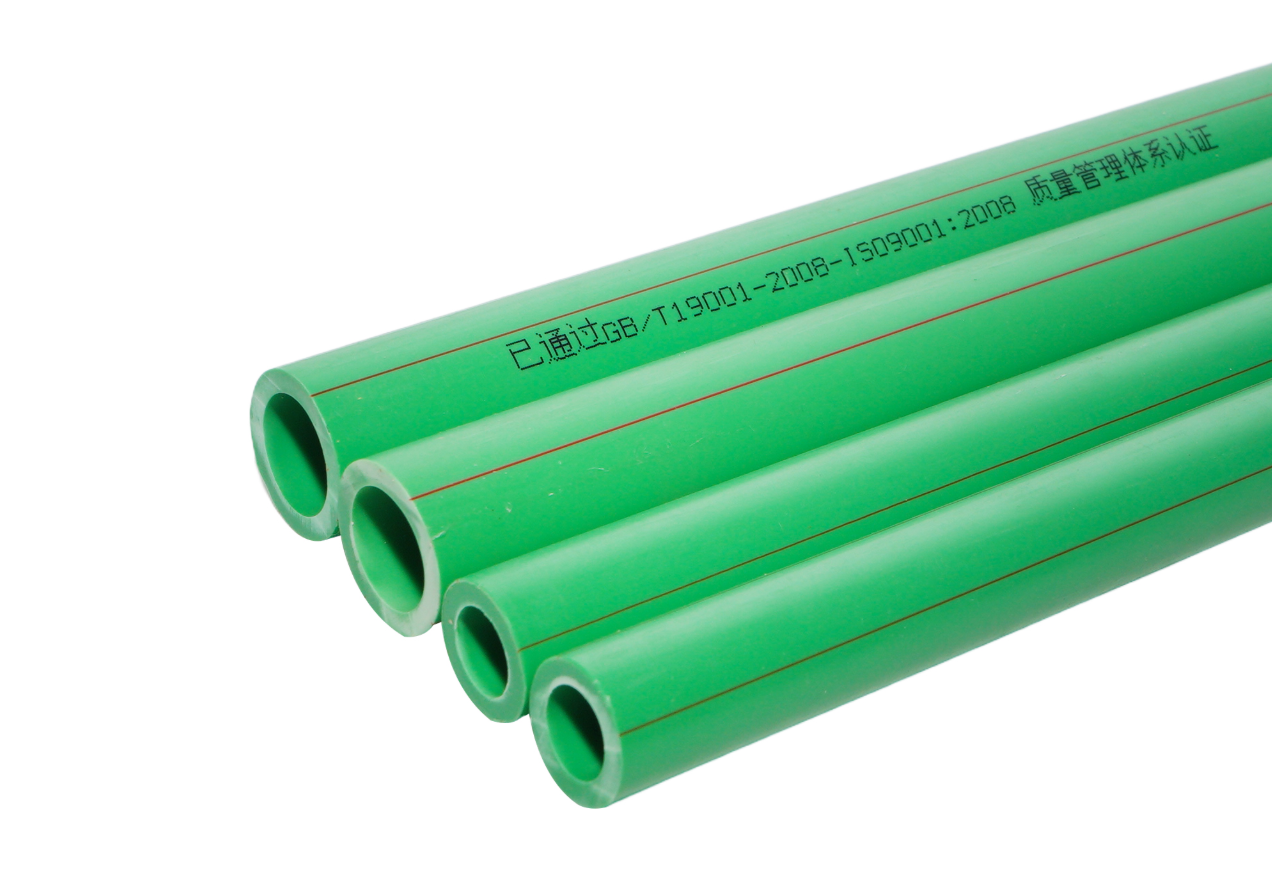
Pressure rating is a key differentiating characteristic for PPR pipe grades. Higher grades, for instance, PN25, are designed to sustain impact water pressure, making them appropriate for high-rise buildings, industrial centers, and regions with intricate plumbing systems. Such pipes retain their shape and functionality over time, cutting down on maintenance and replacements. Lower-grade pipes and lower PN ratings would suffice for basic residential use, but would lack the durability and strength for more demanding applications. Selecting a grade with the right pressure capacity will not only avoid failures in the system but will also improve energy efficiency. This is due to the pipe’s structure not being over pressured, allowing for unobstructed flow of water and thereby decreasing energy output.
Within the high-temperature and low-temperature plumbing systems, temperature resistance becomes a critical quality for the different grades of PPR pipes. Their high grades that can sufficiently cope with the continuous hot-temperature water flows for applications above 70 degrees Celsius. These are used in water for industrial processes, commercial cuisine and for heating the floors. Their stability will ensure that the pipes will maintain their integrity, without deforming, cracking, or degrading. Because of higher temperatures, pipes of lower grades will soften, and structurals strength will completely collapse. This makes their application limited for systems of cold water or in low temperature hot-water systems. A grade with temperature resistance will be a positive and a good investment with more working field without an early plumbing system.
Durability is directly tied to PPR pipe grade and has a measurable effect on long term cost efficiencies. High grade pipes have a 50 year + service life if installed properly. This is due to higher quality manufacturing and material construction. This long service life means reduced replacements, lower maintenance costs, and a reduced impact to buildings and communities due to disruption. In contrast, lower grade pipes will last 10 to 20 years causing constant repairs and expenses over time. For clients of the service sector, the higher initial investment of the top grade pipe is offset quickly over time due to the long service life. Also, pipes of high durability retain their value making the overall cost of the project and the worth of the property higher. Additionally, construction grade pipes value is a constant throughout the service life of the pipe.
Every grade of PPR pipe has specific use cases and optimal grade choices result in better performance and efficiency. For example, high grade pipes are needed in large commercial buildings, public works, and industrial facilities where performance and reliability are crucial. They are also needed in projects with stringent international compliance, like WRAS approval for systems with drinking water. On the other hand, lower grade, lower costs ones are best used in smaller residential projects, temporary installations, or systems with lower pressure and temperature demands and are therefore more optimal. Matching the grade of pipe to the needs of the project prevents the customer from overspecifying, wasting resources, or underspecifying, taking on a significant risk.
When looking at PPR Pipe Grades, considering a cost-benefit analysis is most important for obtaining the best value. Higher-grade pipes cost more, but because they perform better, are more durable, and require less maintenance, they end up having a lower total cost of ownership. To illustrate, high-grade pipes used in a commercial project will avoid the expenses associated with the downtime and repairs of pipe failures and will save costs in the long run. Eventually, lower-grade pipes will cost more money. They may be budget-friendly at the start, but because they are of a lower quality, will break down faster and require more maintenance. Customers may think about the project size, purpose, and long-term objectives to decide what grade has the best cost-per-performance balance. Buying a grade that matches the project’s needs, and avoiding unnecessary upgrades, will provide the greatest cost-effectiveness.
There is more to the differences in PPR pipe grades than just understanding the technical aspects; the difference is understanding the impacts on project success, safety, and cost-effective measures. Each grade has its upsides, relating to the material makeup, pressure capacitance, temperature resilience, and durability shaped to fit an application. Choosing the right grade for the project is a must. This way, customers can be confident that their plumbing systems will perform reliably, durability, and return the best ROI. This is true for plumbing systems in residential renovations and large-scale commercial systems, PPR pipe grade selection is an important part of the process.

Shijiazhuang Shentong provides high-quality HDPE, PPR, and PEX pipes for building, municipal, and industrial applications. OEM/ODM services, ISO-certified production, and export to 60+ countries. Request free samples today.
Luancheng District, Shijiazhuang City, Hebei Province.
Copyright © 2025 by Shijiazhuang Shentong Plastic Industry Co., Ltd. Privacy Policy
 EN
EN

 Hot News