Home > News > Industry News
PVC (Polyvinyl Chloride) pipes have become one of the most widely used piping materials in residential, commercial, and industrial construction across the world. Thanks to their lightweight structure, excellent corrosion resistance, low cost, long service life, and easy installation features, PVC pipes are the preferred choice for water supply, sewage drainage, ventilation, and agricultural irrigation projects. Compared with metal pipes, PVC pipes do not rust, scale, or degrade under common environmental conditions, which greatly reduces maintenance costs and extends the overall service life of the pipeline system. Proper installation is the key to ensuring stable, leak-free, and long-term operation of PVC pipe systems. Unstandardized operation often leads to common problems such as pipe leakage, pipe blockage, pipeline displacement, and premature aging. Therefore, following systematic and professional installation procedures is essential for every construction worker and project contractor.

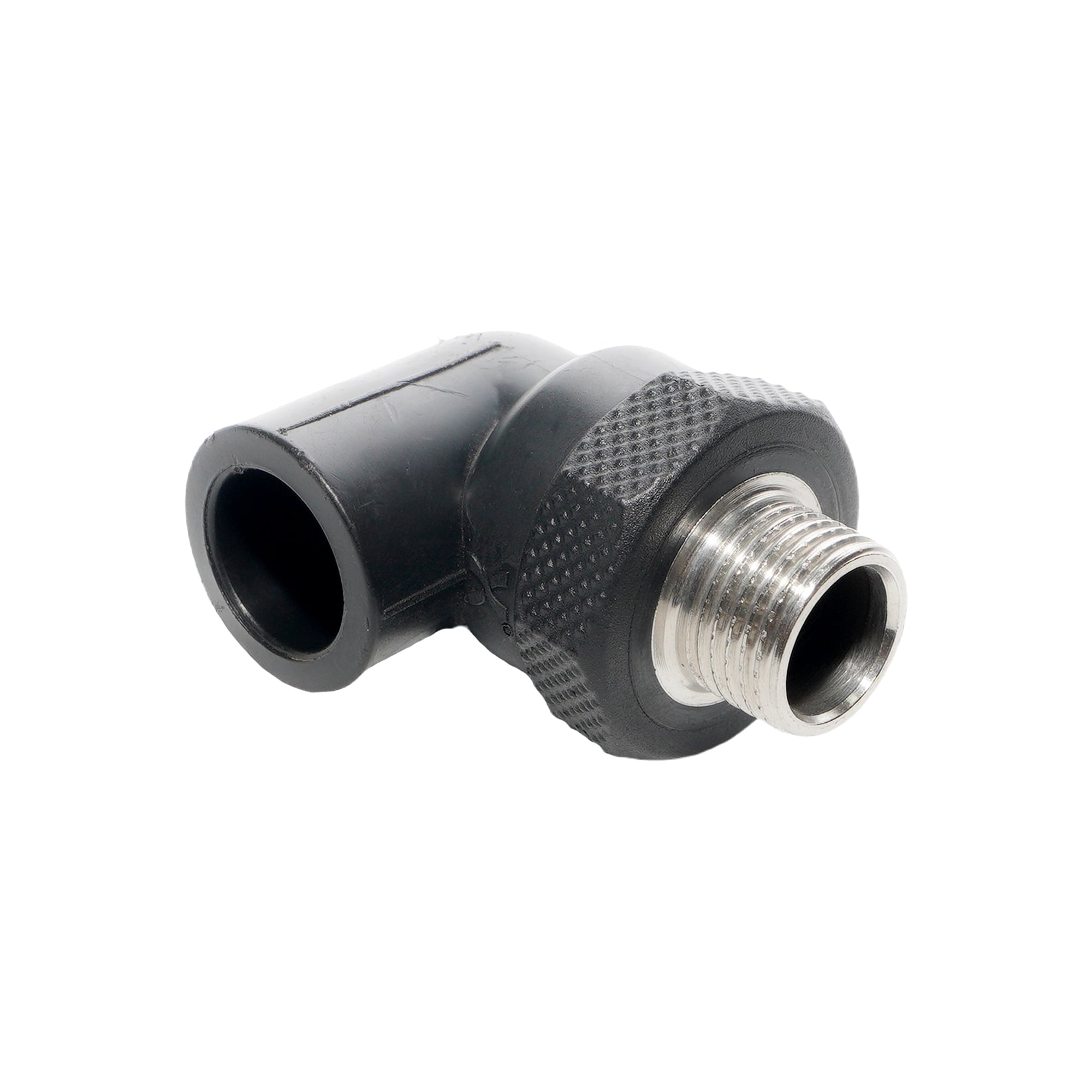
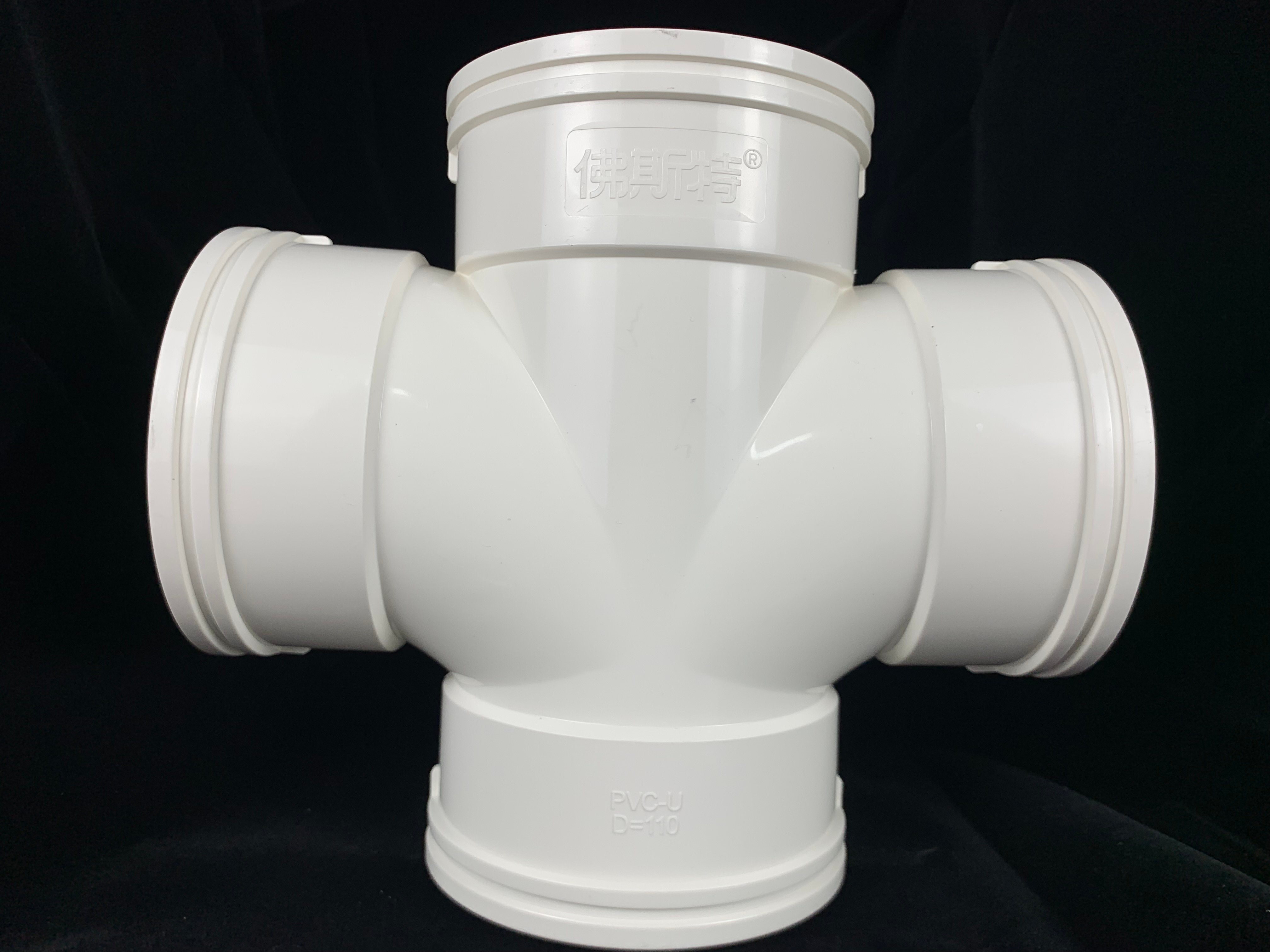
Before starting the formal installation of PVC pipes, sufficient preparation work must be completed, including material inspection, tool preparation, and construction environment checking. First of all, workers need to inspect all PVC pipes and supporting fittings such as elbows, tees, reducers, caps, and pipe couplings. It is necessary to check whether the pipe surface has cracks, scratches, deformation, bubbles, or uneven wall thickness. Defective pipes and fittings must be eliminated directly to avoid hidden dangers in later use. Meanwhile, confirm the pipe model, diameter, and pressure level to ensure the selected materials match the actual project requirements for water supply or drainage. For high-pressure water supply systems, high-grade pressure-resistant PVC pipes must be used, while ordinary drainage PVC pipes are only suitable for gravity flow sewage systems.
In terms of tool preparation, basic installation tools include a PVC pipe cutter, hacksaw, deburring tool, tape measure, marker, rubber hammer, spirit level, clean cotton cloth, and special PVC cement glue. It is worth noting that ordinary cutting tools may produce rough pipe cuts, so professional PVC cutters are recommended to ensure flat and vertical pipe sections, which is the foundation of tight glue bonding. In addition, workers need to prepare protective gloves and goggles to avoid skin and eye irritation caused by PVC cement during construction.

Shijiazhuang Shentong provides high-quality HDPE, PPR, and PEX pipes for building, municipal, and industrial applications. OEM/ODM services, ISO-certified production, and export to 60+ countries. Request free samples today.
Luancheng District, Shijiazhuang City, Hebei Province.
Copyright © 2025 by Shijiazhuang Shentong Plastic Industry Co., Ltd. Privacy Policy
 EN
EN
 Hot News