Home > News > Industry News
PP fittings is popular in industrial piping because of its excellent material properties. PP fittings are manufactured from virgin raw materials to prevent performance-impairing impurities. As a result, and because of its high-quality construction, PP fittings are quite stable and reliable even in harsh industrial environments. PP fittings have superior corrosion resistance compared to metal fittings, which can rust and degrade when subjected to chemicals, high moisture, and temperature variations. Because of this rust resistance, PP fittings can withstand extreme industrial environments for a long time without leaks and other failures that would compromise industrial activities. High pressure bearing ability is a common characteristic requirement in many industrial systems whether in water supply, chemical transport, or fluid transfer activities. Because of its high durability, PP fittings have excellent long term service, a feature highly demanded in industrial activities.
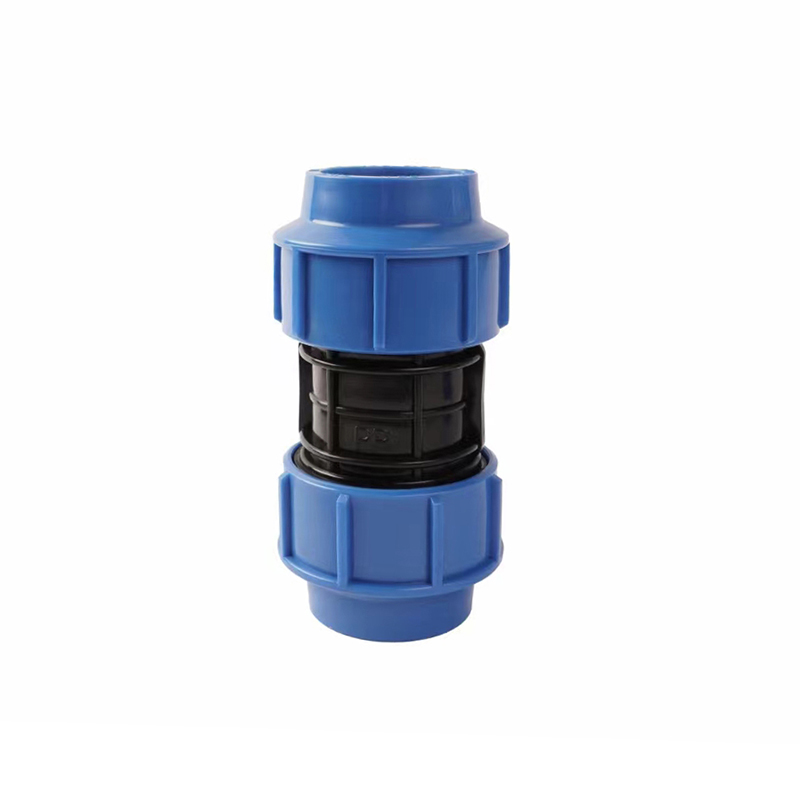
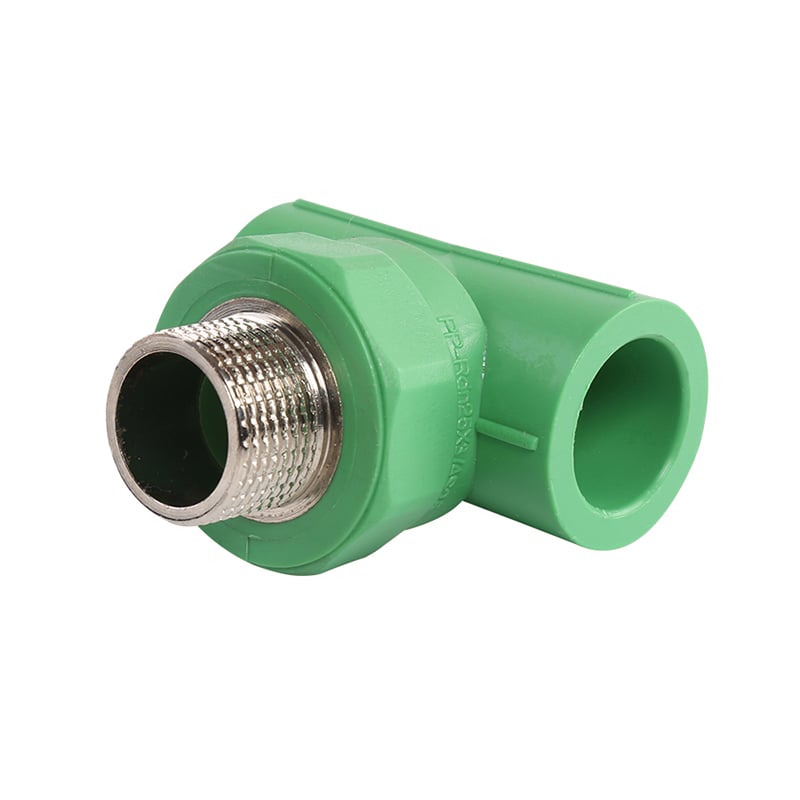
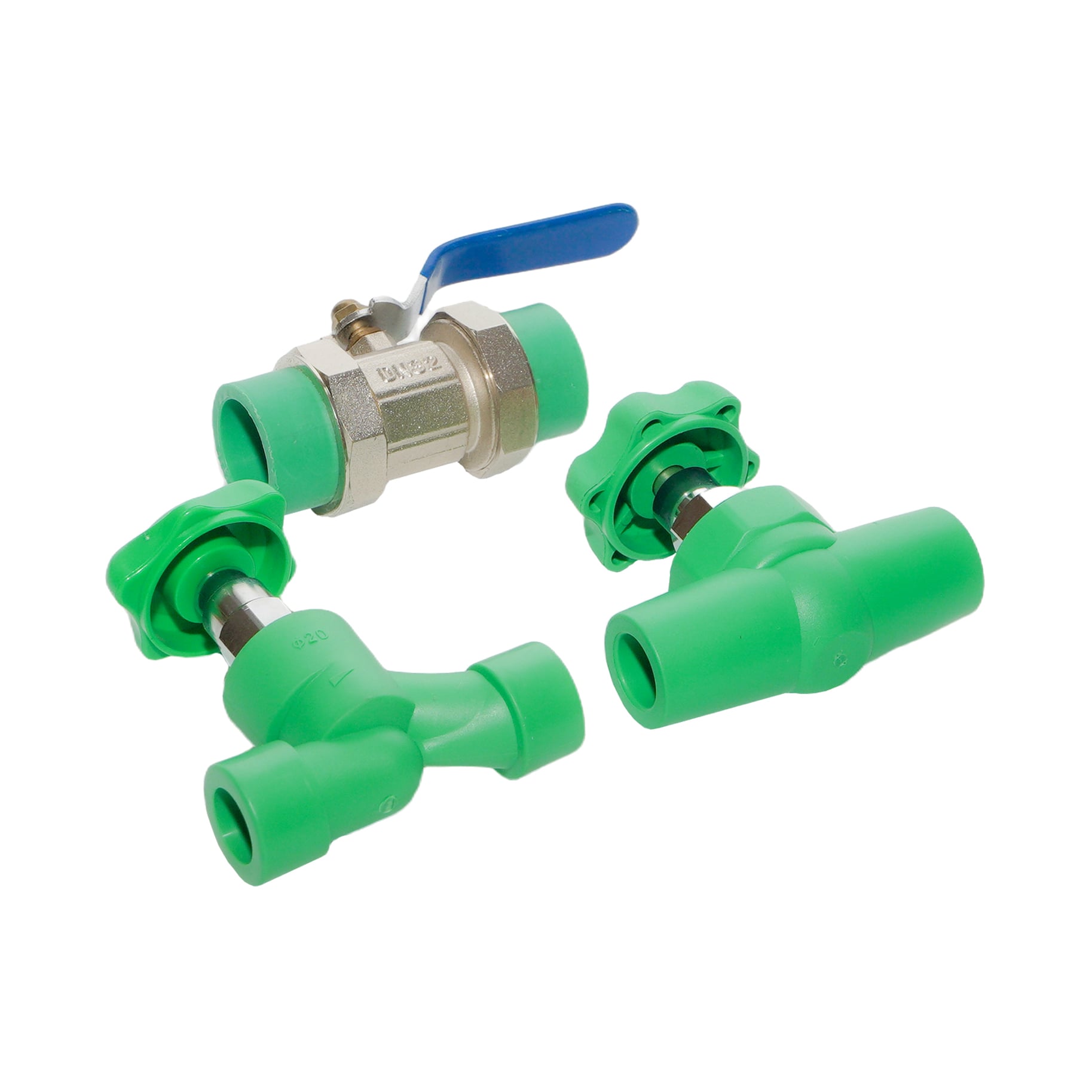
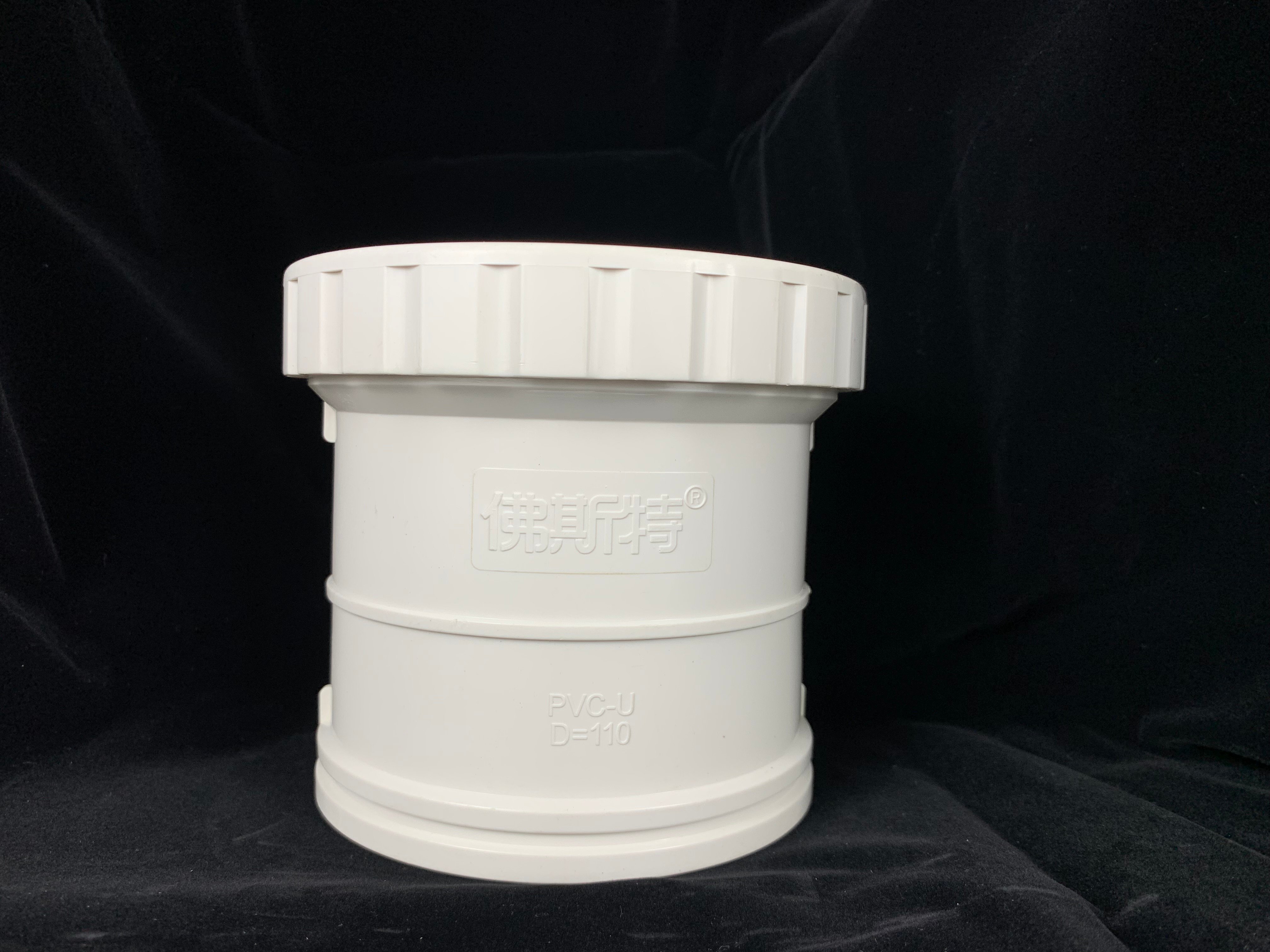
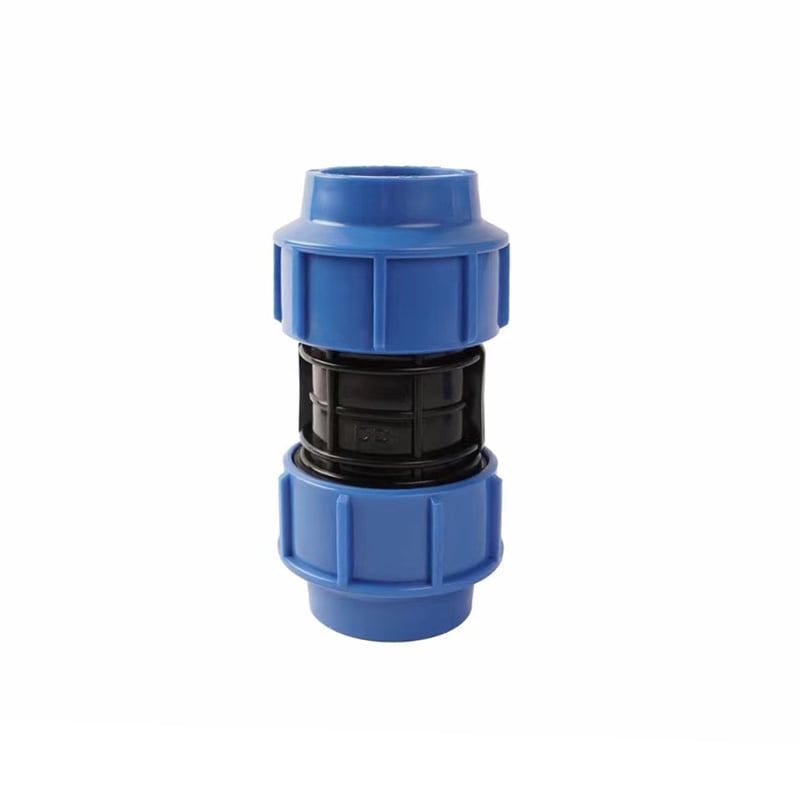
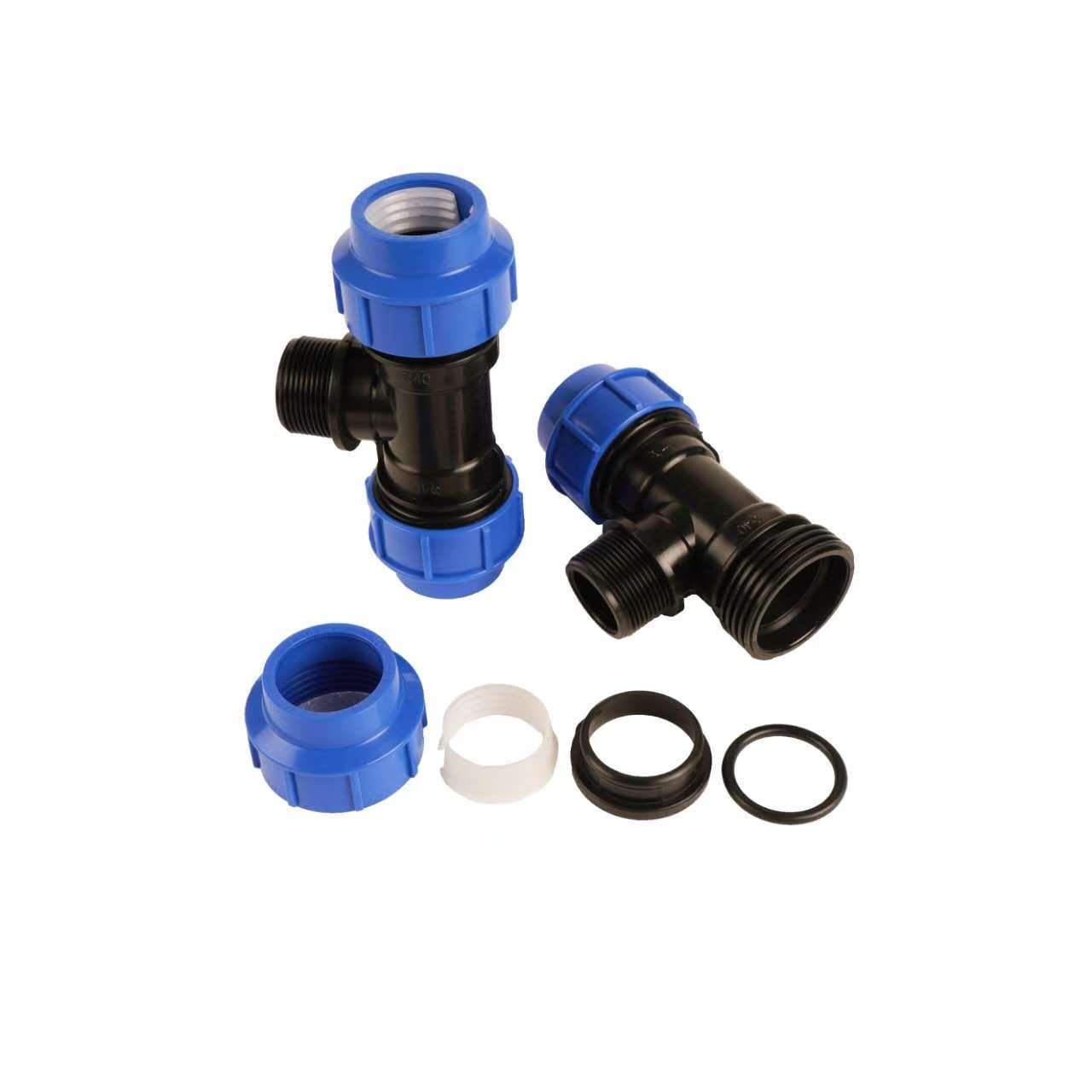
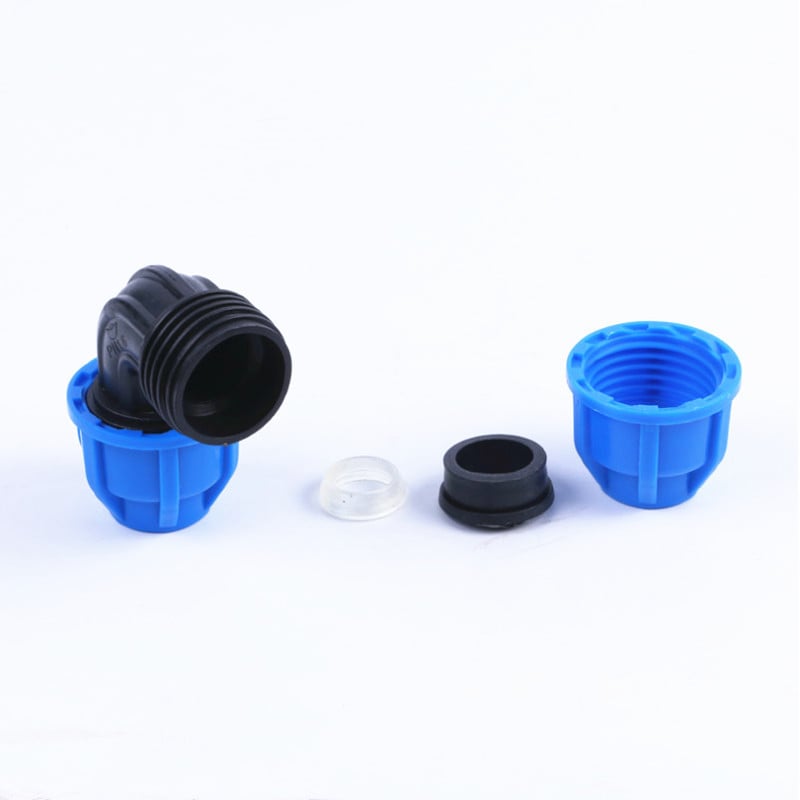
PP Pipe fittings are one of the fittings that are most put to use, and the value of these fittings comes from their flexibility and compatibility. They are able to adjust to many types of plastic pipes. They can join and create seamless pipe systems with other types of plastic pipes like PPR and HDPE without needing complicated rings to join them. Because of this compatibility, PP fittings are able to ease the industrial marketing process, as companies are able to get fittings and pipe from the same supplier without the hassle of having to contact numerous companies to find fittings that will match their pipes. The range of PP fittings are from elbows, tees and valves, that can match to the size you need whether it would be a small scale fluid circulation, or to a big pipeline project. These fittings are used manufactured in various places; whether it would be in a construction site, a water treatment site, or a manufacturing area. Because of this, these pipe fittings are one of the most used pipes in various industries.
PP fittings are widely used in the industry because of their cost-effectiveness. PP fittings are cheaper than metal fittings when it comes to the initial purchase cost, thereby decreasing the initial investment that is needed in the industrial projects. However, the cost benefit goes beyond initial purchase. Their durability and corrosion resistance will lower maintenance and replacement costs in the future. Metal fittings will need anti rust treatments and regular replacements, whereas PP fittings will need less upkeep, saving time and money on labor. Their costs are cheaper because they are lighter and transport and installation is cost effective. There is no need for heavy machinery in installation, so labor inf costs are lower. There are overall lower costs in the project. With these factors, PP fittings are a cost efficient option with no loss of quality.
Piping systems in industrial operations are very critical, and they cannot afford frequent downtimes due to system failures, and this is the reason why PP fittings are so great. These fittings are extremely durable and are resistant to clogs and leaks and will not degrade even in the presence of high-pressure fluids and corrosive chemicals. The durability of the fittings will ensure that the industrial piping systems do not suffer from unscheduled downtimes that will cause a huge financial drain from lost operational hours. PP fittings also have a great ability to withstand a variety of temperatures as they do not warp, break, or change in any way even when exposed to extreme heat or cold. For the industry sectors that run and operate nonstop especially in the chemical processing and water treatment plants, the ability to deal with extreme conditions and not require a lot of maintenance is very useful. PP fittings also enhance efficiency and productivity in industrial sectors by minimizing downtime.
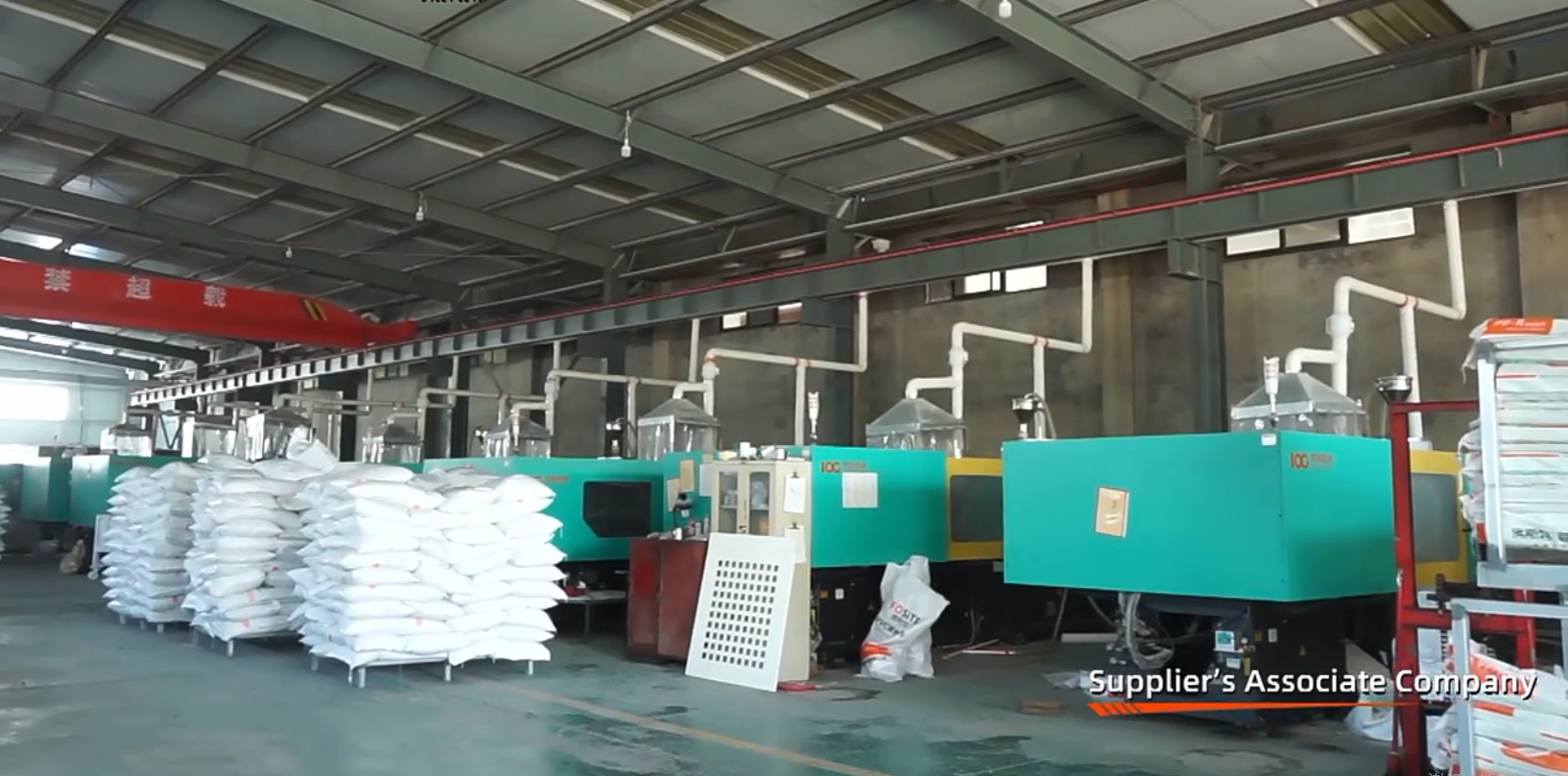
PP fittings are also one of the most demanded ones in the market due to the reputation of companies having their products verified for international standards such as ISO 9001 and the eventual controlled production of these fittings. This compliance certainly allows customers from any part of the world to be rest assured; in Europe, Africa, and/or the Americas. The fittings will be in compliance with the safety and other performing standards of that given country. The fittings are also of the same high-quality standards that will ensure the piping system will work without issues from other compromised fittings. These fittings provide businesses with great flexibility and eliminate the risk of fines due to having fittings that are “below standard” thus also greatly benefiting their usage.

Shijiazhuang Shentong provides high-quality HDPE, PPR, and PEX pipes for building, municipal, and industrial applications. OEM/ODM services, ISO-certified production, and export to 60+ countries. Request free samples today.
Luancheng District, Shijiazhuang City, Hebei Province.
Copyright © 2025 by Shijiazhuang Shentong Plastic Industry Co., Ltd. Privacy Policy
 EN
EN
 Hot News