Home > News > Industry News
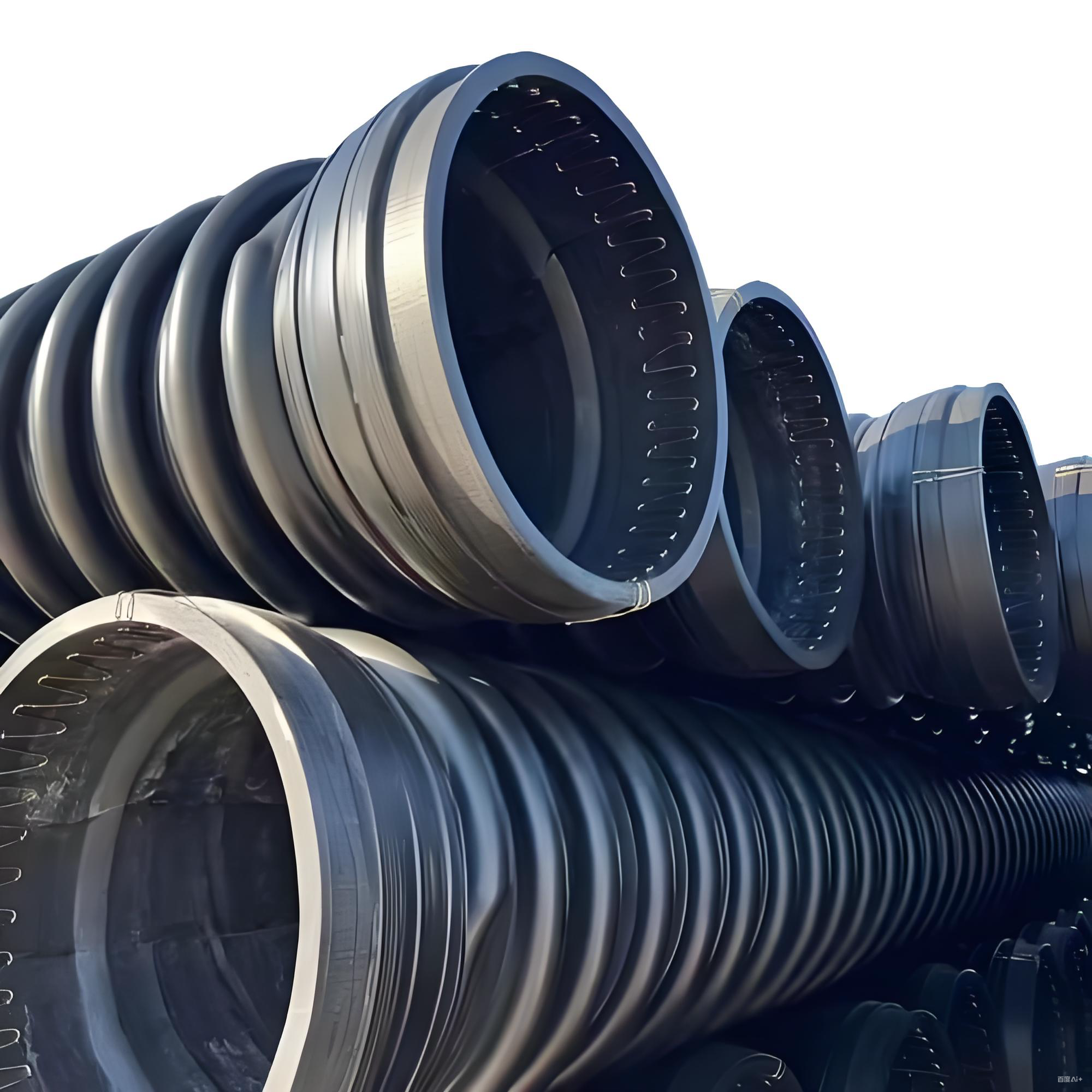
In fields like water supply, drainage, and industrial transportation, corrosion in pipe lines has always been a nagging issue, impacting the safety and efficiency of operations. A corroded pipeline leads to safety concerns, holes in the line, and, in some cases, increased maintenance costs because the line must be replaced at a high cost. However, corrosion resistance and operational safety have made HDPE pipe a preferred and reliable option. This article looks at the specifics of this operational safety and cost efficiency and helps explain why the pipe has become a reliable option in several fields.
Corrosion resistance starts from the type of materials that are sourced to manufacture the pipe. Quality HDPE piping structural materials include 100% virgin materials with no low-grade substitutes that are recycled. By nature, these materials have excellent chemical stability allowing them to withstand most chemical attacks. Conversely, low-grade pipe manufacturers cut costs by using low-grade raw materials, compromising the corrosion resistance of the end product, which in turn shortens the end pipe's used service life. The corrosion resistance of the end pipe is due to the raw materials sourced to manufacture the pipe. The attention to detail demonstrates the quality of the end pipe, ensuring that the pipeline is guaranteed for continued reliable service for years.
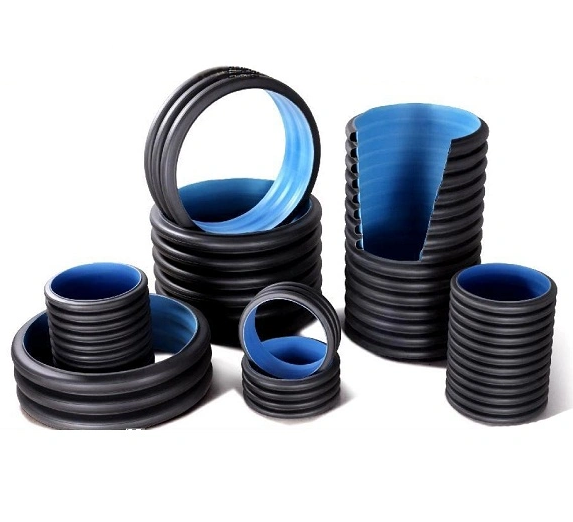
The exceptional resistance of HDPE pipes to corrosion is due to the exceptional nature of its molecular structure. HDPE, or high-density polyethylene, possesses a tightly arranged linear molecular structure. This structure makes it difficult to corrosive molecular within various media to penetrate the pipe wall and interact with the internal content. This molecular structure remains stable and undamaged even when it is constantly submerged in acid, alkali, or salt media. In comparison with traditional metal pipes which easily corrode and oxidize, as well as with other plastic pipes with a loose molecular structure, HDPE pipes possess a tight molecular structure, which provides it with superior resistance of corrosion from various media and thus provides it good technical competitiveness.
Value of the Resistance of Corrosion for Different Media \n\nThe corrosion resistance of HDPE pipes is not only theoretical; it is proven in practice. They are corrosion resistant when it comes to different common media used in the industry and in civil construction works. For instance, in urban water supply systems, they resist the corrosion of water residual disinfectants; in the discharge of industrial waste water, they are tolerant to the acid or alkali constituents of the waste water, while in the coastal areas, they withstand the corrosion of salt water and air. Such great adaptability is resolving the issues of pipeline selection under such severe conditions. Users avoid the problems of frequent pipeline replacements because of corrosion and improve the overall system's reliability and stability.
When selecting options for a pipeline, one of the first things to consider are the cost-effective options. The value of cost-effectiveness of HDPE pipes is a direct result of their corrosion resistance. For one, the service life is many decades long, greatly surpassing the life of traditional pipes that corrode, thereby elevating the cost of replacing pipes. For another, the corrosion resistance means little to no maintenance is required for the plumbing, as most of the man power and cost in plumbing are the maintenance. Further, HDPE pipes are light weight and easy to install, which means the installation costs are lower, as the consutrction is over after a shortened period of time. In comparison to other pipes which may require additional anti-corrosion treatment, HDPE pipes are economically the better option, as the one-time investment is likely to exceed all expectations by providing great returns.
The raw materials, structure, and production methods of our pipes synergistically contribute to our pipes being the best at protecting from corrosion of any other pipe on the market for any media. With such impressive cost-saving corrosion protection, there are significant economic advantages to the consumer. There are advantages to using our pipes in rural water supply, industrial production, and city infrastructure construction. These systems also support the corrosion resistant HDPE pipes. With the advancement of other industries, the market demand for pipeline corrosion protection will be high. Therefore, the market will be dominated by pipes that are as cost and performance effective as our HDPE pipes.

Shijiazhuang Shentong provides high-quality HDPE, PPR, and PEX pipes for building, municipal, and industrial applications. OEM/ODM services, ISO-certified production, and export to 60+ countries. Request free samples today.
Luancheng District, Shijiazhuang City, Hebei Province.
Copyright © 2025 by Shijiazhuang Shentong Plastic Industry Co., Ltd. Privacy Policy
 EN
EN
 Hot News