Home > News > Industry News
PPR pipes, for a long time, have been recognized for their ability to be connected to a variety of plumbing fixtures, including residential sinks, bathtubs, showers, water heaters, and even ice makers and dishwashers of commercial-grade quality. This is due to the fact that PPR pipes have the same dimensions and connectivity as most other plumbing fixtures, allowing for firm and dependable connections. This makes avoid the need for custom fittings and complex adapters. PPR pipes are unlike other traditional plumbing materials that require a particular fixture to conform, as PPR pipes integrate well with all standard fixture interface dimensions, making shop work easier for plumbers and other people.
PPR pipe’s technical attributes explain why it achieves such a high degree of compatibility. Constructed using premium polypropylene random copolymer, PPR pipe possesses a smooth interior that promotes even water flow and minimizes the likelihood of clogging, which is vital for the operational capacity of a variety of plumbing components. It can endure the extreme temperature variations that occur within plumbing systems. PPR pipe can withstand water from the cold water supply to the hot water heater. Moreover, PPR pipe’s flexibility aids it in accommodating small tolerances and easing offsets to achieve a snug good fit with plumbing components and fixtures without damaging the integrity of the plumbing connection. These technical benefits make PPR pipe a versatile pipe for use in plumbing systems, both in residential and commercial buildings.
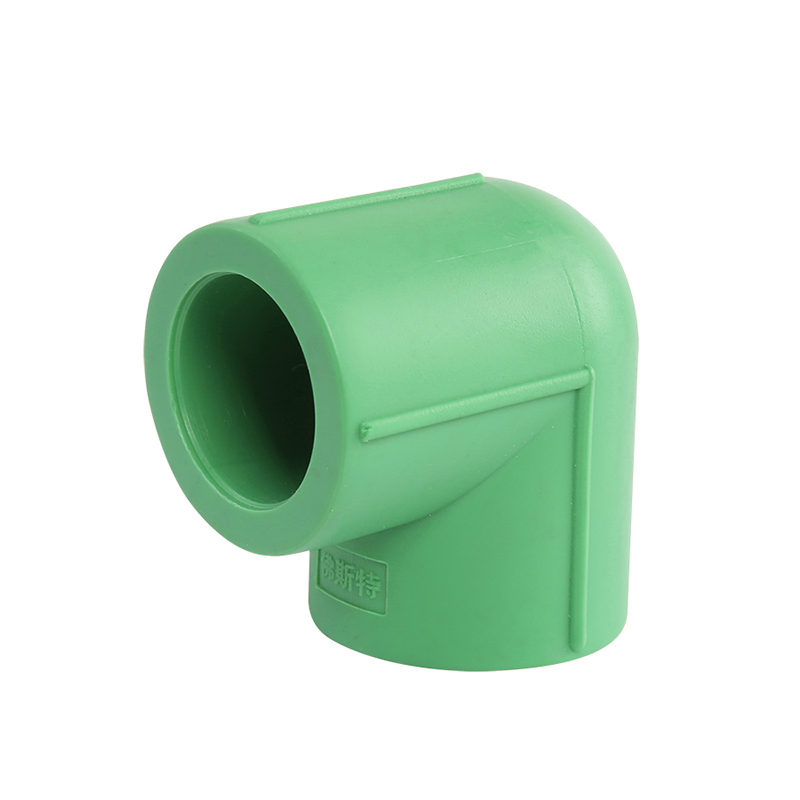
Practical examples in plumbing projects involving PPR pipe and different fixtures help prove PPR pipe’s versatility. In a residential renovation in a suburban community, PPR pipe was used with a new water heater, kitchen sink, bathroom shower, and washing machine. The installation was completed in a timely manner because the pipe bonded directly with each fixture with no extra adjustments. The project’s plumbers, noted that the hot melt bonding with the PPR pipe formed a joint that was, leak proof, and pressure proof. Another example is a small restaurant which upgraded their plumbing system to PPR pipe, along with, commercial dishwashers, faucets, and a large water heater. PPR pipe’s efficiency and versatility allowed uninterrupted water flow to all fixtures, even during busy periods, and helped reduce water maintenance.
Regardless of which PPR pipe you go with, across the board, experts agree that \[insert manufacturers name here\] compatibility says convenience, but with the right engineering, it could mean minimizing plumbing system failures down the road. According to plumbing engineers, PPR pipes working with the majority of fixtures leads to failures and leaks, which are typically mismatched components. Along with PPR pipes, the experts also state that PPR pipes are globally accepted with NSF certifications, meaning they are safe to use with potable water and water systems NSF cert and portable water systems engineering, plumbing They are globally accepted along with potable water system they are safe, along water systems to use with PPR piping, and water systems. Combined Certifications aid PPR plumbing to be considered potable when mixed and as safe to use with water systems plumbing fixtures in both engineering and Plumbing Cert. the system works. This system works. Engineering. Plumbing. Cert. Combined.
The wide compatibility of PPR pipe provides great commercial value for both plumbing contractors and owners of various projects. For contractors, it makes rubber and plastic piping procurement considerably easier, because they only have to carry one kind of pipe that suits a wide variety of plumbing fittings, which also lowers inventory expenses and saves time on plumbing installations. For owners of plumbing systems, it reduces the expenses money related to the duct systems and maintenance. Furthermore, the dependable fittings decreases the possibility of overspending on repairs and replacements due to leaking and broken parts. Adding to that, the longevity of PPR pipe, due to its wide compatibility, makes sure that plumbing duct systems work for many years, considerably increasing the value of the plumbing and the duct systems of buildings, both industrial and residential.
PPR pipes can work with most plumbing fixtures, but some details need to be considered first to make sure everything works properly. First, make sure to use PPR pipes with the right diameter and pressure rating based on the specs provided with the fixture. Second, consider the type of fixture being used. For example, high flow fixtures like showers and commercial appliances require larger diameter pipes to maintain appropriate pressure. Lastly, check the pipes' certifications to make sure they are industry approved. You don't have to worry about PPR pipes' quality and compatibility certification since industry governing bodies have already done the leg work. And thinking of plumbing professionals and fixture manufacturers can be a good bet to clarify what PPR pipes are most appropriate for your project. This will help ensure everything integrates perfectly and will make your plumbing system highly dependable.

Shijiazhuang Shentong provides high-quality HDPE, PPR, and PEX pipes for building, municipal, and industrial applications. OEM/ODM services, ISO-certified production, and export to 60+ countries. Request free samples today.
Luancheng District, Shijiazhuang City, Hebei Province.
Copyright © 2025 by Shijiazhuang Shentong Plastic Industry Co., Ltd. Privacy Policy
 EN
EN
 Hot News