Home > News > Industry News
What makes HDPE pipes special is their affordable, lightweight properties. HDPE has a unique structure, which makes HDPE less dense than other traditional pipes like metal and concrete. This means they can reduce other metal pipes structure while keeping their integrity. This allows the HDPE pipes to be easier to handle, as the transportation to the construction site can be difficult. For example, a standard metal pipe weighing in at the same size as a metal pipe of the same length will only be a fraction of the size of the weight of the metal pipe. This means that in many instances, they can eliminate the need for heavy-duty lifting. Metal pipes also reduce the risk of injury in the workplace.
The lightweight characteristic of HDPE pipes does not mean a reduction in performance. Innovative manufacturing methods and tight quality control means that such pipes can provide very high levels of durability and strength. Toughness and impact and corrosion resistance HDPE, along with the qualitative and quantitative control of the manufacturing parameters, provide the pipes with the ability to endure a variety of conditions and heavy use. Each HDPE pipe is designed to meet product quality standards set forth in the NSF and ASTM to assure that a lightweight pipe has reliable performance. This is why the technical balance of HDPE pipes makes them ideal for numerous construction projects, where the ease of transportation and durability is important.
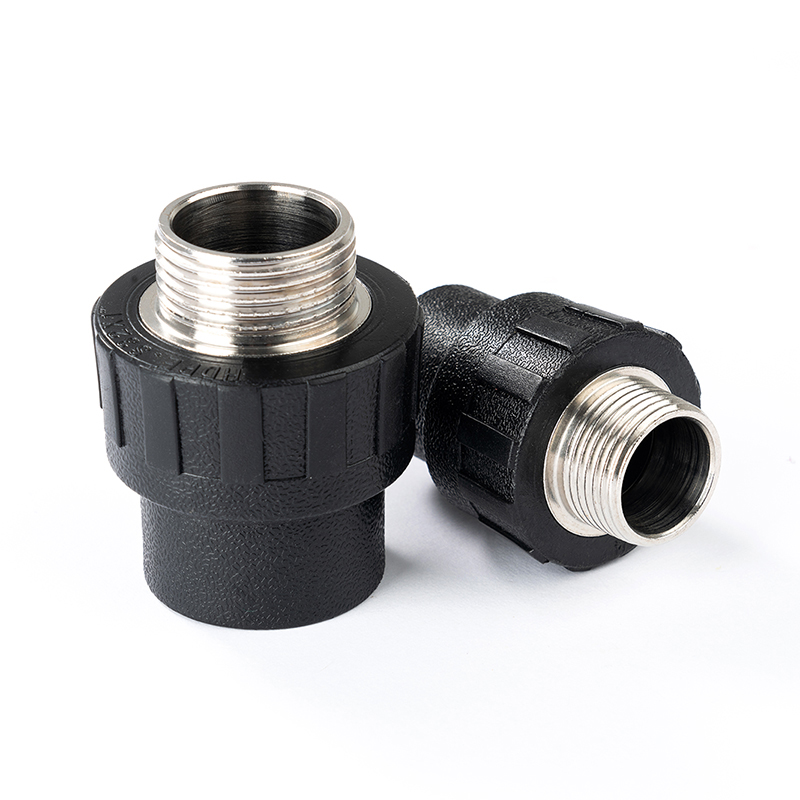
The lightweight benefits of HDPE piping have been proven across various regions and project types. In remote areas of Zambia where transport infrastructure is almost non-existent, HDPE piping was used in a sustainable water source project. Due to the lightweight design, the pipes were able to be transported to the remote rural communities using small vehicles. In areas with no road access, the pipes could even be carried by hand, overcoming huge logistical challenges. Similarly, in Eastern Europe, the shipping costs and delivery timelines were optimized due to the easy loading and transport of a full container of HDPE pipe and fittings. These experiences provide a solid foundation to prove that the lightweight Transportable nature of HDPE pipe provides real benefits during project implementation.
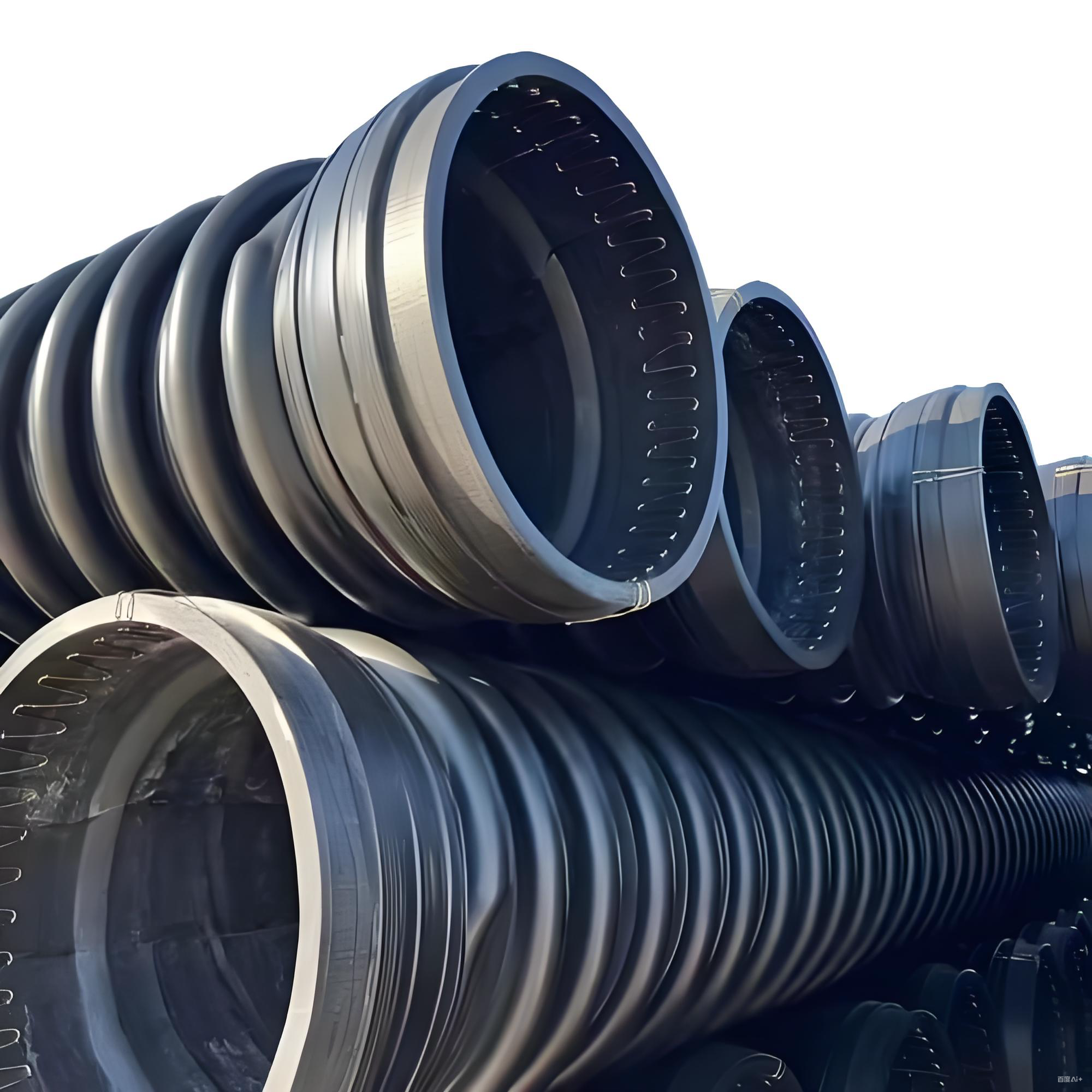
The transport of HDPE pipes brings commercial value to any project, of any size. First, it brings a reduction of costs. Because pipes are lightweight, more units can be placed per container, which then decreases the price per unit of transport. Second, the handling process is simplified. Workers are able to place pipes more quickly without the need of heavy machinery, and this shortens the timeline of the project, while also decreasing the labor costs. Also, during transport, there is a lower risk of damage, which decreases the material waste and costs value. An example is a customer from Puerto Rico who orders a total of seven containers of HDPE double-wall corrugated pipes each year. He enjoys the benefits of lower handling and transport costs and is able to maintain a long standing stable partnership. All of these commercial advantages prove that HDPE pipes are great for any developing infrastructures.
The performance and lightweight benefits of HDPE pipes are backed by several authoritative industry standards and certifications. These pipes meet global standards such as GB/T19001-2008 and ISO9001:2008, which ensure quality control during all manufacturing processes. Certifications like NSF further prove reliability for water supply and other crucial applications. Overall, industry experts agree HDPE pipes is lightweight design, durability, and versatility addresses most of the major concerns encountered during infrastructure projects. The overwhelming agreement from professionals makes HDPE pipes suitable for numerous applications and projects.
To conclude, one of the major competitive benefits of HDPE pipes is the lightweight construction of the pipes, which makes them suitable for various infrastructure projects. When looking at the material composition and performance, one can easily find balance and efficiency globally in transport. On the cost and time savings commercial value, one can look to industry standard pipes for values. HDPE pipes provide project success. From transport construction projects in the remotes to large scale Urban center constructions, HDPE pipes provide logistics and cost savings. HDPE pipes, with their lightweight construction and performance capabilities, will continue to fulfill their role in the construction of the more required efficient and sustainable infrastructures.

Shijiazhuang Shentong provides high-quality HDPE, PPR, and PEX pipes for building, municipal, and industrial applications. OEM/ODM services, ISO-certified production, and export to 60+ countries. Request free samples today.
Luancheng District, Shijiazhuang City, Hebei Province.
Copyright © 2025 by Shijiazhuang Shentong Plastic Industry Co., Ltd. Privacy Policy
 EN
EN
 Hot News