Home > News > Industry News
Many buyers rely on geomembrane spec sheet data, yet real-world project performance often differs greatly from lab test results. For a geomembrane liner to maintain a 20-year service life, several practical, overlooked factors determine its success or failure.
Resin quality is the top decisive factor. Even ASTM GM13-compliant HDPE liners vary drastically due to raw materials. Professional geomembrane-grade virgin resin outperforms cheaper pipe-grade resin, which is stiffer, harder to weld and susceptible to stress cracking. Stress cracking resistance (SCR), a critical metric missing from basic tensile tests, decides long-term durability. Many failed projects stem from undisclosed resin substitution, with unqualified SCR values causing latent cracking and leakage. Buyers must confirm dedicated geomembrane resin, batch SCR test reports and strict factory QC protocols.
Thickness selection is more nuanced than the simple “thicker is stronger” rule. Thin liners (≤1.0mm) demand extremely strict welding temperature control, vulnerable to weak seams in complex outdoor conditions. Thicker liners (≥1.5mm) offer a wider welding tolerance. Besides, UV degradation affects liners evenly by depth; thicker liners retain better structural integrity under long-term sun exposure. Buried landfill liners suit 1.5mm thickness, while exposed pond liners require 2.0mm for durability.
Smooth and textured liners have distinct trade-offs. Textured liners enhance slope friction to prevent soil sliding but hide minor defects, requiring stricter construction quality assurance (CQA). Only co-extruded textured liners ensure long-term stability, unlike easily peeled post-processed textured products. Smooth liners allow intuitive defect inspection for simpler quality control.
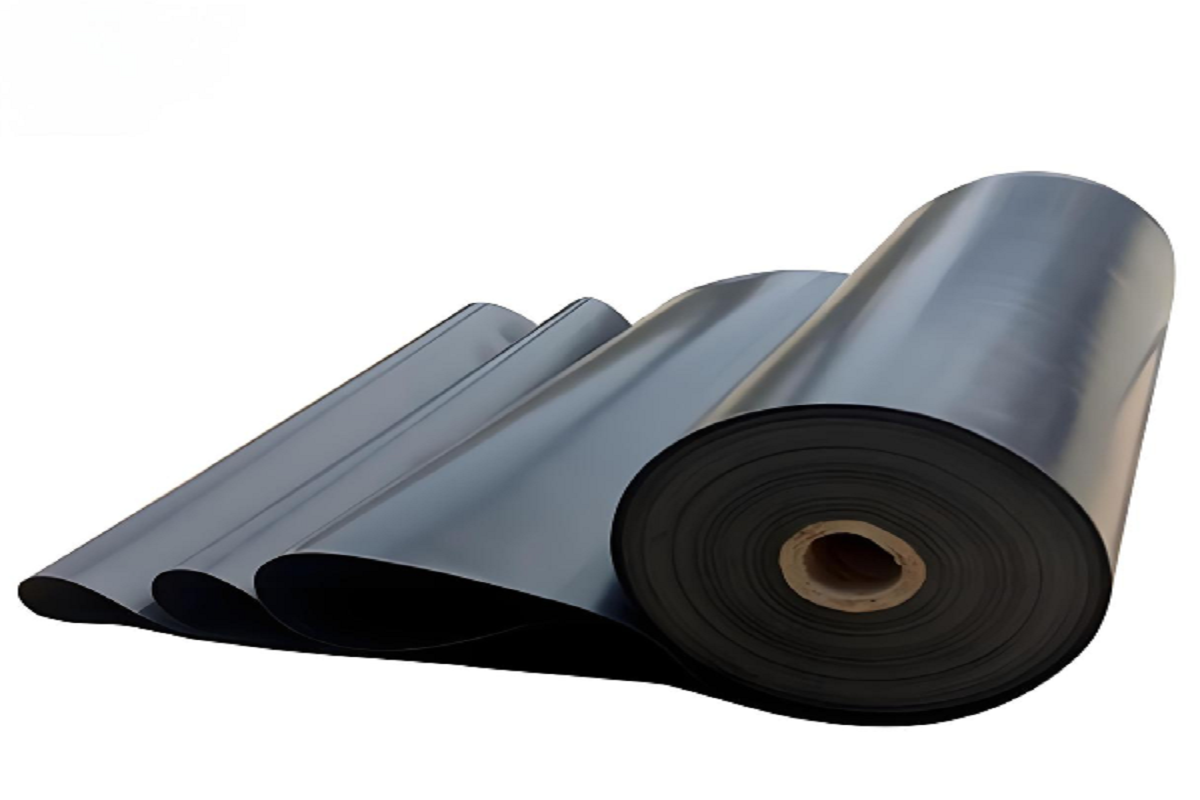
Poor on-site welding causes most liner failures. Standard welding requires a surface temperature of 5–40°C, clean welding surfaces and mandatory trial welds amid condition changes. All wedge welds need full air pressure testing, with destructive sampling every 100–150 meters for quality verification.
Qualified carbon black with excellent dispersion (ASTM D5596 Category 1–2) guarantees UV resistance, while uneven dispersion causes structural flaws. Meanwhile, HDPE liners need targeted chemical resistance tests for hydrocarbons, high-temperature oxidants and acidic mine drainage.
In short, specifying professional resin grades, verifying batch test data and arranging pre-shipment third-party inspections are worthwhile. A small premium on qualified materials avoids costly later replacement and environmental remediation.

Shijiazhuang Shentong provides high-quality HDPE, PPR, and PEX pipes for building, municipal, and industrial applications. OEM/ODM services, ISO-certified production, and export to 60+ countries. Request free samples today.
Luancheng District, Shijiazhuang City, Hebei Province.
Copyright © 2025 by Shijiazhuang Shentong Plastic Industry Co., Ltd. Privacy Policy
 EN
EN
 Hot News