EN
EN

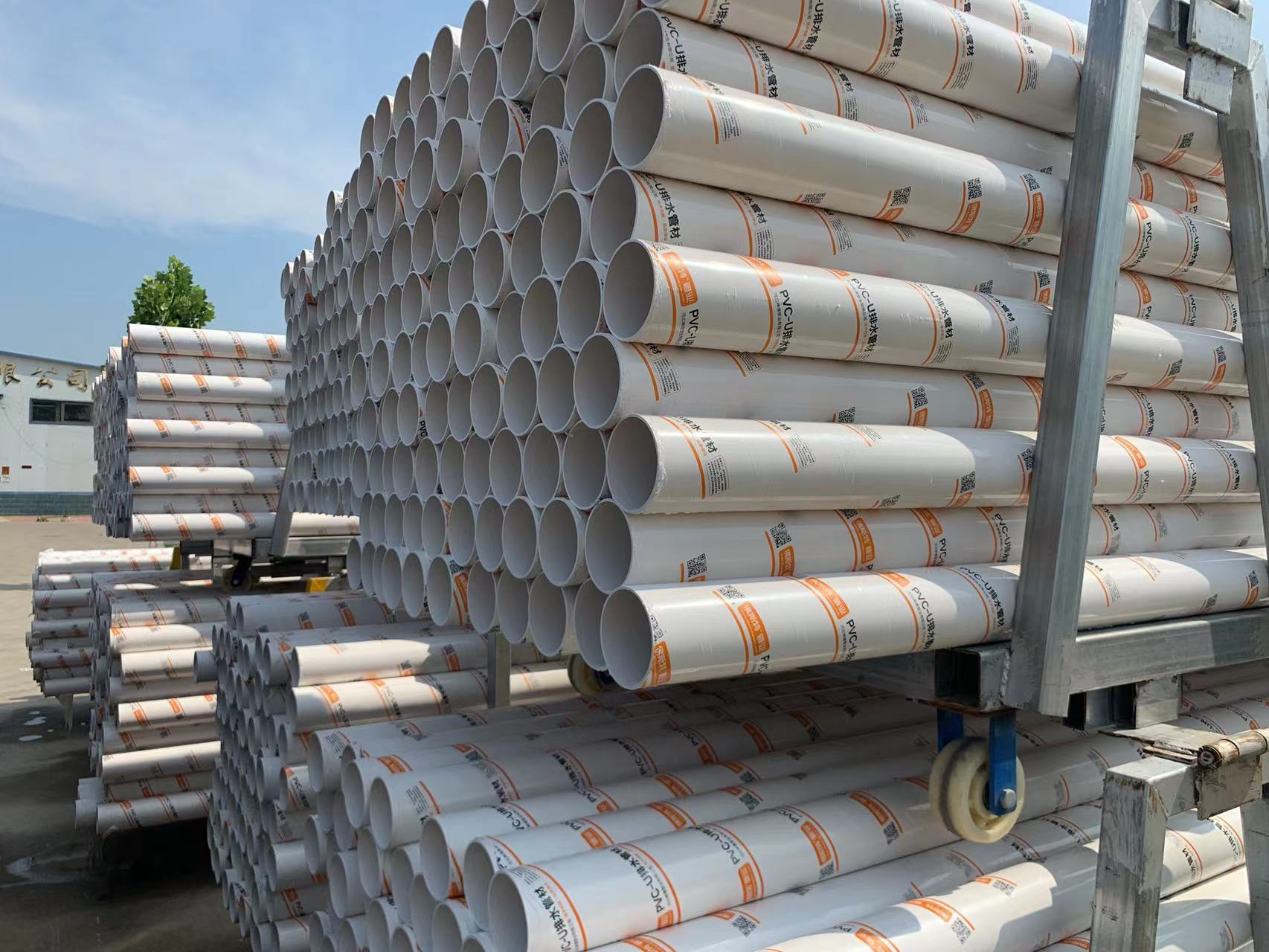
Across the world, PVC pipes form the critical part of municipal drainage, water supply, and civil engineering construction activities. The safety, lifespan, and functionality of the entire construction project depend on the quality of the pipes. An unreliable manufacturer can lead to repeated failures of pipes, delays in construction, and maintenance costs in the later stages of the project. Given this background, how can one filter out the PVC pipe manufacturer from the many suppliers available?
The Importance of Valid Industry Certifications and Quality Regulations
Industry certifications are the bare minimum for pvc pipe manufacturers, but they are also the most important. A legitimate manufacturer will have an authorative quality system certification such as GB/T19001 which means they have a solid quality control system. When it comes to pipes for water supply projects, certification from the water regulations advisory scheme (WRAS) is a critical certification and it verifies the safety of materials that comes in direct contact with the water. These certifications are a result of the company's effort in streamlining the process to achieve the companies' goals of meeting the domestic and international guidelines and requirements of the industry. If companies do not have these certifications for the pipe products, it is very possible there are serious risks the pipes will not perform as they are intended to perform. In fact, the pipes may have poor resistance to corrosion, the pressure from the use of the pipes may not be sustainable and the environmentally damaging byproducts may be greater than allowed by regulations. Deficiencies may cause the pipes to be unusable before the manufacturer subsitutes for those and the pipes do not meet the requirements for the long-term use of the engineering projects.
Manufacturing Experience and Technical Skills for PVC Pipe How important is long-term manufacturing experience in the plastic pipeline industry? PVC Pipe manufacturers gain for life for long-term manufacturing experience PVC Pipe manufacturers gain long-term experience as valuable crafts from PVC Pipe manufacturing. From scientific raw material mixing ratio and precise extrusion molding to the meticulous control of detail of the wall thickness and connection fittings. Furthermore, experience allows precise control of the technical criticals of PVC pipes for various engineering needs such as large diameter drainage pipes for municipal engineering and special PVC casing for water well. Short industry experience manufacturers are prone to process errors such as uneven pipe extrusion and inappropriate fittings, and these errors deteriorate construction quality as a whole.
Check Raw Material Sourcing and Product Consistency
The quality of PVC pipes relies on the quality of the materials. The best manufacturers prioritize high quality materials and strict sourcing guidelines, which helps provide consistency across all batches. For PVC pipes, poor sourcing and quality control can lead to poor and inconsistent product performance, like excessive variability in pipe wall thickness, poor pressure capacity, and increased aging. The importance of consistency in pipe performance is particularly magnified in large engineering projects like city water supply renovation. A small inconsistency in one PVC pipe can lead to severe malfunction of the entire pipeline and can cause dangerous water leaks and burst pipes.
Analyzing Global Projects and Recognizing Markets
Global projects and market recognition are intrinsically connected to proving the quality of a manufacturer's products. Quality PVC pipe manufacturers have successfully integrated their product lines into diverse engineering projects worldwide, be it water projects in Africa, municipal drainage systems in Eastern Europe, and yearly procurement projects in North America. Moreover, repeat orders from customers worldwide demonstrate the manufacturer's product versatility, regardless of the varied geo-climatic conditions. Moreover, the international market recognition of a product surpasses a manufacturer's unsophisticated claims about it. A consistent product supply to international customers, complemented by positive construction feedback, shows that the manufacturer’s product quality and service efficiency are assured.
Understanding Supply Chain Capacity and Customization Services
Understanding supply chain capacity as well as the ability to customize offers insight into the depth of a manufacturer’s capabilities and how it can address the multiple demands of engineering projects. Reputable manufacturers also stock a wide range of raw materials and finished products and provide one-stop procurement services for pipes and related fittings. This minimizes the procurement cycle and improves punctuality for the delivery of engineering projects. They also provide some degree of project-based pipeline customization (e.g. specification, color, and length). Further, 24/7 after-sales service is a must. This helps swiftly address any technical issues related to the installation and use of PVC pipes to avoid service-induced project delays.
To conclude, the PVC pipe manufacturer selection process does not rely on one indicator but a combination of factors such as industry certificates, years of experience in manufacture, control of raw materials, case studies of projects around the world, and supply chain services. A good manufacturer is more than a vendor, they are a long-term business partner that offers good engineering solution to construction problems. Working with such manufacturer, one is assured of the best value on the construction pipe work, that is, minimal maintenance costs and optimal value in commercial sense of the construction project.