EN
EN

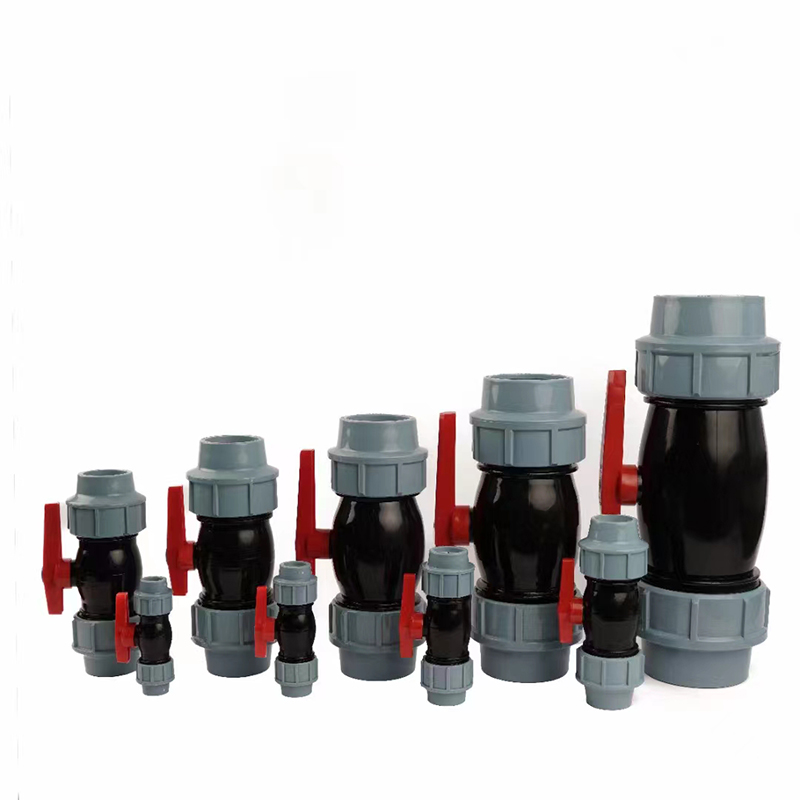
Choosing Fittings Depending on the Type of Pipe You Have
Knowing how different materials work with one another and how to best integrate different materials together is the first and most important part of knowing how to integrate different pipe systems. Not all PP fittings will work with the chemical makeup of every pipe. For instance, PPR Pipe is designed to be used with PP fittings that are made from homopolymer polypropylene. These will be the most compatible with your PPR Pipe and will be chemically fused to the PP pipe with PPR pipe and fittings. The most commonly reported issue, is that non compatible materials will produce "smoke" or "odors" when heated. This issue was reported over 30 years as a manufacturing issue of PPR fittings industry. Another type of pipe is HDPE. This type of pipe is commonly used to protect cables and is also employed in drainage applications. For HDPE, the best option is to use PP compression fittings, which are made from modified polypropylene materials. These are more flexible than the materials used in HDPE, allowing for greater flexibility and preventing cracking of the joints. The most important part of ensuring the "glue" of the joints is used "negatively" is the control of the raw materials used, and thus a good supplier of PP fittings will always use 100% good raw materials and will be controlled in terms of materials against all of our fittings.
Matching Pressure Ratings
Matching pressure ratings is what keeps parts of the pipe system safe and secure. PP fittings should have the same pressure rating or greater when compared to the pipe’s pressure rating. There is a standard for this reasoning. An example is the PPR pipes PN25 for high pressure hot water supply. The PP fittings should also be PN25 to not have a pressure failure at the joint. Another example is the pressure requirements for the PP fittings when working with the HDPE pipes of SDR11 series in the urban water supply system of the renovated water supply. This has been tested and proven in supply frameworks water of the working system and pressure system has met the industry supply standards. Pressure rating ignoring is a common cause of serious problems like bursting of pipe joints under working pressure which is a container of higher supply of water. These problems are also very common in vertically built water systems and in the systems built for long distance supply of water.
Application Scenario Targeted Selection
Selection of PP fittings must be specific to their intended use, as varying engineering applications bring about different requirements for performance of both pipes and fittings. In the case of municipal water supply and rural water source projects like the sustainable water source project in Lusaka, large-diameter PP compression fittings are ideal for large-diameter drainage and water supply pipes as they cater to the large flow requirements of public water supply systems. For building underfloor heating systems constructed with Pert pipes, it becomes necessary to use small-diameter PP fittings with insulating properties to minimize heat loss at the joints. In cable protection applications involving HDPE silicon core pipes, the most suitable PP fittings are those with corrosion and aging resistance, as they serve to shield the cable conduit from environmental exposure. Projects in Eastern Europe export regions have demonstrated the clear benefits of selecting PP fittings based on the specific applications, which is an effective means of optimizing the operational efficiency of the piping system while minimizing maintenance in the future.
Certification Standard Compliance Check
Certification standards are strict barriers concerning the specific quality and safety metrics products must meet and are, therefore, mandatory checks with respect to PP fittings. PP fittings must obtain GB/T19001 certification, which applies to the entire cycle of production, from the acquisition of raw materials to the disposal of finished goods, and encompasses the complete range of process certifications. For fittings used in pipe systems that are designed for the transport of potable water, PP fittings must also be WRAS certified, which entails rigorous testing of the materials used to ascertain that no toxic or hazardous substances are released from the fittings into the water. The certification of a product signifies the quality of that product, as well as, the quality of the work concerning the respect to the applicable local laws in respect of the project, which is particularly important with respect to international export projects, such as the supply project for customers in Puerto Rico, which we execute annually.
Adaptability in Installation
When it comes to construction and the efficiency involved, installation practicality is especially important and often overlooked. Well-designed PP fittings are made in such a way that they accommodate and streamline typical construction practices, such as hot melt and butt fusion. For instance, PP fittings are designed to close tolerances, reducing the skill required for a hot melt connection, and improving the tightness of the connection. A practical benefit construction engineers readily acknowledged was the supply of a complete set of special PP fittings, consisting of different diameter elbows and flange sleeves, eliminating the need to search for miscellaneous fittings. In construction, the installation adaptability of PP fittings also influences maintenance efficiency. Constructed fittings that are standardized and less complicated facilitate maintenance and replacement, reducing the overall maintenance cost.
Reliable Supply Chain and Durability of PP Fittings
The long-term durability of PP fittings relies on good process control, quality of raw materials, and stable supply chain in support of engineering projects. PP fittings where corrosion and aging are controlled, and are produced under strict detail specifications, can survive and perform reliably in cuts, outdoor and underground harsh environments, and their service life can be over 50 years, which is the same as the service life of PP and HDPE pipes. A reliable supplier with large enough stock levels can provide PP fittings on time, and ensure that there are no delays in the project due to shortage of accessories. The long-term supply chain relation with customers from Puerto Rico, which involves 7 40HQ containers of pipe fittings supply to Puerto Rico customers every year, is a proof of the fact that reliable supply chain and long-lasting quality of products is one of the most important commercial values with regards to high quality PP fittings, and is a long-term cost saving feature for engineering projects.