EN
EN

Assessment of Materials and Preparedness of the Locations
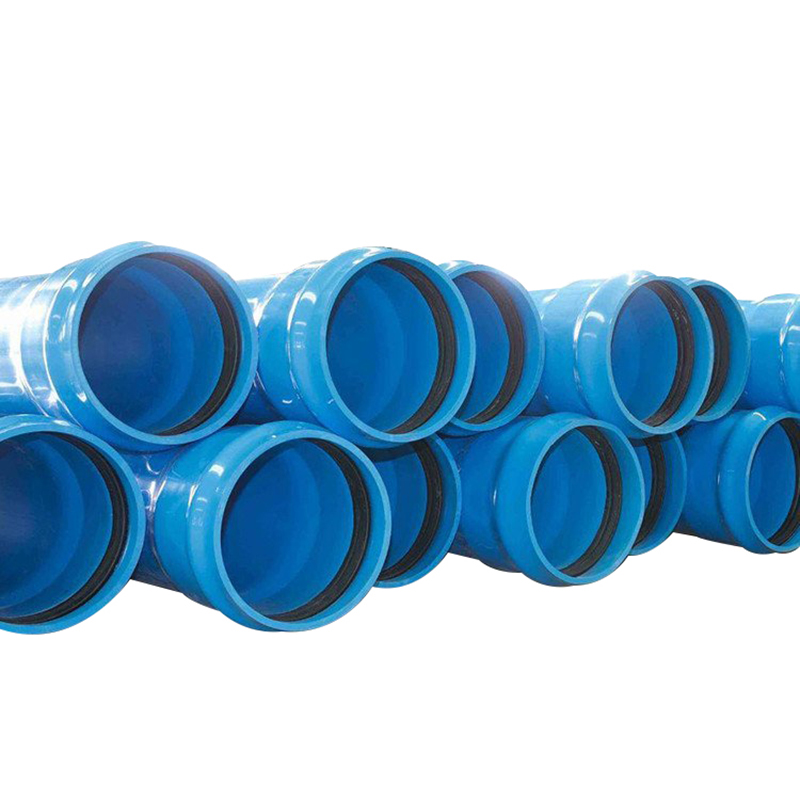
Preparation is the most important step in the stable installation of uPVC pipes. It must meet the GB standard for plastic pipe installation and the perforamance criteria of certified pipe manufacturers. Inspect the uPVC pipes and fittings for cracks, distortion, uniform wall thickness, etc. and uniform wall thickness, and verify the dimensional details against the construction drawings. On the construction site, remove any debris and even any breech on the pipe laying site and site, and then compact and level the sub-grade according to the the survey plan. For drainage works, particularly in the in the urban water supply re-habilitation works, the compaction of the sub-grade beneath the pipes is controlled to prevent settlement after the pipes are laid. In the fixing of the the new water source pipes supply pipes in Lusaka, poor site preparation resulted in pipe displacement. The pipe was then re-levelled and the sub-grade was re-compacted which eliminated the displacement. This was an important lesson for site preparation.
Cutting and Joining
For stability of uPVC pipes, cutting and joining must be done to exact standards, with each step being compliant with a specific procedure of uPVC installation. When cutting uPVC pipes, a pipe cutter must be used to ensure the cut is flat, clean, and perpendicular to the axis of the pipe, with no burrs that could affect join tightness. For the uPVC drainage pipe adhesive, use industry compliant adhesives and ensure the surfaces to be bonded (i.e. pipes and fittings) are free of dirt/oil by wiping, then apply the adhesive evenly and join at a single instance (i.e. no moving during solidification). While working on the HDPE and uPVC pipe joints project in Eastern Europe, we experienced the benefits of standardization, where the pipe system operated seamlessly for an extended duration. During the final inspection, we also recorded a 100% no-leakage rate.
Scientific Pipe Support and Fixing
uPVC pipes can shift or deform as a result of the pressure and forces applied to them. Scientific fixing and reasonable support can prevent this. Support spacing needs to fit the installation standards of individual pipe diameters. To support the small-diameters pipes in household and small drainage project, use a fixed clamp that is not too tight; too tight of a clamp can deform the pipe. Support reinforced brackets, and adjust support spacing with respect to the pipe weight and laying length. In regards to support points for large-diameters uPVC pipes in the Puerto Rico annual supply project of plastic pipes, the setting of support afforded the drainage system long-term stability during heavy rains and high water flows.
Adjusting to Site-Specific Environmental Conditions
Environmental factors can affect the stability of uPVC pipe installations and specific adaptations for installations should be made for varying climate and geological conditions. For areas that experience high temperatures, uPVC pipe expansion and deformation due to contraction will occur if sufficient expansion gaps are not incorporated. For areas that experience low and sub-zero temperatures, uPVC pipe options with low temperature flexibility will be required, as well as adequate anti-freezing and thermal insulation for the piping system. Adaptations for the uPVC piping system's geological and environmental flexibility include the modification of the uPVC piping layout for the varying geological conditions and the anti-seepage and anti-viscous shifting treatments at the piping system interconnections for the semisolid and solid regions along the piping layout.
To ensure the proper functioning of uPVC pipe systems, the last barrier is Post installation testing. This testing process must be performed per the testing and quality inspection standards of the pipe industry. Once the installation is complete, perform a water pressure test, as well as a test of the entire uPVC pipe system for tightness. Tests for both pressure and duration must meet national testing standards. Additionally, check for water leakage and movement of the pipes within the joints and fixed points. For any unqualified parts, timely repairs must be made, and testing must be repeated until compliance is achieved. Normally, pipe manufacturers supply comprehensive testing guidance, and problems discovered during testing can be addressed and resolved quickly via a 24-hour responsive service as a means of ensuring the quality of pipe system installation.
Setting Up Successful Maintenance Systems for Long-Term Stability
For the long-term stability of uPVC pipes, their installed quality needs to be supplemented with a systematic and long-term maintenance process. Set up a regular inspection system for the uPVC piping system of the pipes, joints and fixed supports, and check and report on the condition of the supports. Replace support and clamp damage areas and repair corrosion damage. In addition to providing weight support to the uPVC pipes, corrosion and aging protection should be applied to the piping system applied in outdoor and industrial environments. While uPVC pipes are presumed to withstand corrosion, their long-term service coupled with maintenance can prevent the need of servicing the piping system repeatedly, minimizing maintenance costs, thereby boosting the project’s economy.