EN
EN

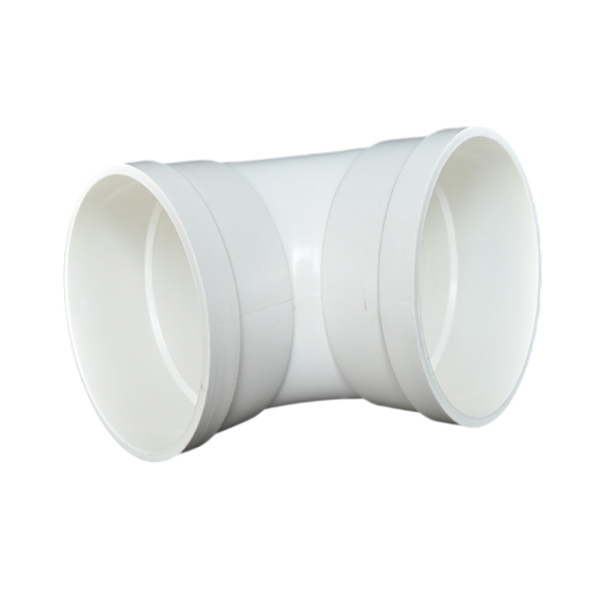
Grasp the Basics of PVC Pipe Fittings
PVC pipe fittings have established themselves as reliable for corrosion resistance, light weight, and easy replaceability, which makes them suitable for plumbing, drainage, and civil works. Working to global standards, these fittings provide compatibility and dependability to meet quality certifications, such as the GB standard. Understanding PVC's material characteristics is important as PVC's non porous surface requires specific treatment to achieve a snug fit. Contrary to some other piping materials, PVC is chemically unreactive, which makes it useful for many applications, but it also means that proper installation techniques must be followed to avoid leaks.
Choosing Accurate Fittings and Preparation Steps
Choosing fittings that are compatible with pipe dimensions and their use is the first essential step in preventing leaks during installation. Leakage is possible if there are small cracks, deformations, or other impurities on the fitting surface, so be sure to check closely. Ordering the pipe and fittings from trusted suppliers with ample stock helps to avoid mismatched fittings, or low quality fittings, both of which are a common source of installation problems. Before pipe and fitting assembly, ends of the pipe and fittings should be cleaned to remove dust, oils, or other debris. This allows a material to be added that will bond with the pipe and fitting surfaces, and will yield a bond that is better than average.
Learn the Best Methods for Cutting and Deburring
In order for the connections to be leak-free, the cuts have to be precise and clean. If you use good quality and sharp cutting tools, the pipe ends will be cut straight and smooth. After cutting, it is important to deburr the pipes edges, both inner and outer. If fitting edges are rough, they may damage the edge of the fitting socket, or may prevent insertion which will compromise the seal. Many issues during the installation stem from cutting being done too quickly, or from skipping the step of deburring. If you spend the time to ensure that the edges of the pipe are smooth and flat, you will create a reliable connection.
Applying Primer and Cement
Primer and cement are not optional when installing PVC fittings. They create a permanent seal that is leak proof. The primer will clean and soften the PVC and allow the cement to bond better. Apply a uniformed coat on both the pipe end and the fitting. Wait for the primer to dry a little then it will be tacky. Apply a thin layer of cement to the contact area. Be sure to not put on too much cement. Extra cement can create blockages and weaken the bond. Leaks can often happen if the drying time is rushed. Follow the manufacturer's instructions on their time.Ensure Secure Alignment and Connection.
Making Sure Everything Fits Before Adding Any Cement Or Primer
Twist the pipe in the socket to spread the cement evenly and fully insert the pipe into the fitting socket. Wait for 30 seconds before releasing your hold to let the bond soften. Moving the parts before the 30 seconds is up is a common mistake that will break the seal. This is especially important in large drainage system projects that use PVC fittings. Achieving this in the sustainable water project in Lusaka was very important. Thanks to it, we had no leaks, despite being in very difficult geological conditions.
Conduct Post Installation Leak Tests
You must fill the system with water after installation to double check the fittings do not show any dripping or moisture. For systems that are under pressure, allow the pressure to build slowly. Monitor for 24 hours and watch for changes. This step ditches any flaws that are immediately visible and avoids expensive fixes later. PVC fittings are lightweight, do not corrode, and can be adjusted easily. This increases their practicality.
Leak-Free Installations and Their Commercial Value
Especially in commercial projects, leak-free PVC installations come with numerous advantages. For both residential and commercial jobs, PVC fittings have the unique feature of being easily replaced. This results in lower labor costs and downtime. Because of universal standards and quick change-outs, companies avoid time-consuming and complicated repairs. Moreover, long-term dependability of properly installed PVC fittings reduces maintenance costs and boosts the credibility of the project. Customers tend to value leak-free installations because these cost-effective solutions are durable. This feature makes leak-free installations important to contractors and suppliers.
Table of Contents
- Grasp the Basics of PVC Pipe Fittings
- Choosing Accurate Fittings and Preparation Steps
- Learn the Best Methods for Cutting and Deburring
- Applying Primer and Cement
- Making Sure Everything Fits Before Adding Any Cement Or Primer
- Conduct Post Installation Leak Tests
- Leak-Free Installations and Their Commercial Value