EN
EN

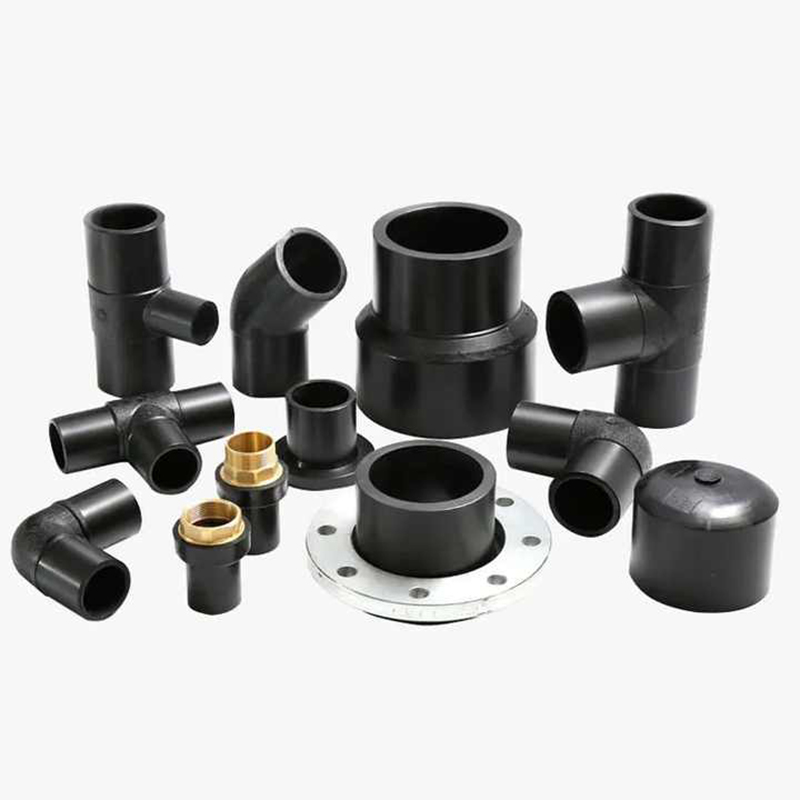
HDPE material is the core base material of plastic pipeline systems, and it’s widely applied in water supply, drainage, cable protection and civil infrastructure projects all over the world. Having been engaged in the plastic pipe manufacturing field for more than 30 years, we’ve seen various engineering problems caused by low quality HDPE material in actual projects, like pipe bursting, water leakage and short service life. These problems not only add extra construction and rework costs for project parties, but also leave potential safety risks for the long-term operation of the whole pipeline system. So distinguishing the quality of HDPE material is not just a professional technical work, but a key step to ensure the overall quality of engineering projects. Mastering practical and scientific identification methods can help purchasers and engineers avoid quality risks in the procurement stage effectively.
Visual and Tactile Identification
Visual and tactile inspection is the most direct and quick way to make an initial judgment on the quality of HDPE material, and it’s the first step of raw material screening in actual production and procurement. High quality HDPE material is made of pure new raw materials, so its surface is uniformly smooth without obvious impurities, air bubbles or color differences. When cut open, the cross section is compact and dense with no loose pores or mixed foreign matters. Touching it by hand, it has moderate hardness and good toughness, without sticky or brittle feelings even under slight extrusion. On the contrary, low quality HDPE material is usually mixed with a large number of recycled waste materials. Its surface is rough and dull, with uneven color and obvious white spots or black impurities. The cross section is loose, and some materials even feel soft when pressed by hand, which means the material density fails to meet the standard and is easy to deform and crack in actual use.
Key Physical Performance Testing
Physical performance testing is the core step to accurately identify the quality of HDPE material, and all test indicators must comply with national and international industry standards. High quality HDPE material, especially the PE100 grade material used in urban water supply renovation projects, has excellent pressure-bearing capacity, and its SDR11 series can fully meet the actual pressure requirements of urban water supply systems. It also has strong corrosion resistance and flexibility, which can adapt to complex working environments such as underground laying and outdoor installation, and won’t crack easily due to temperature changes or external soil pressure. In addition, high quality HDPE material has perfect fusion performance; there will be no smoke or peculiar smell during hot melt connection, which ensures the tightness of pipeline joints and avoids leakage problems. All performance tests of qualified HDPE material are carried out in accordance with the requirements of the GB/T19001 quality management system, and each batch of products is equipped with a complete and detailed performance test report. Low quality HDPE material often fails in pressure-bearing and flexibility tests, and virtual welding is easy to occur during hot melt connection, which is the main cause of pipeline leakage in the later stage.
Raw Material Certification Verification
Verifying the authenticity of raw material certification is an important basis for judging the quality of HDPE material, and it’s also a key sign to measure whether the production enterprise is standardized and formal. High quality HDPE material is produced with 100% pure new raw materials, and the supplier can provide complete raw material purchase certificates, product quality inspection reports and relevant industry certification documents. These certificates are not only the direct guarantee of product quality, but also the necessary condition for the material to be used in key engineering projects such as drinking water supply and municipal infrastructure. In actual procurement work, many purchasers only focus on the price and ignore the verification of certification documents, thus buying low quality materials with fake certificates at a low price. A real case in the Eastern European export project shows that high quality HDPE material with complete and formal certification has been highly recognized by customers, while low quality material without regular certification was rejected in the project acceptance stage, leading to project delay and huge economic losses for the purchaser.
Engineering Application Adaptability Check
Engineering application adaptability is the most practical standard to test the quality of HDPE material, because different engineering scenarios and climatic environments have different requirements for material performance. High quality HDPE material has strong adaptability and can be applied to various engineering scenarios such as outdoor pipe systems, underground drainage projects and drinking water supply projects. It has a service life of more than 50 years in outdoor environments, and can overcome various geological challenges in complex underground projects. Just like the sustainable water source project in Lusaka, Zambia, high quality HDPE material played a vital role in ensuring the long-term stability of the water supply pipeline in complex geological conditions. For the annual supply project of HDPE double wall corrugated pipes in Puerto Rico, high quality HDPE material can maintain stable performance under different climatic conditions throughout the year, and its excellent adaptability has been highly praised by customers for a long time. On the contrary, low quality HDPE material has single performance and can only adapt to simple and mild engineering scenarios. It’s easy to age and damage in harsh environments such as extreme temperature and humid soil, which greatly increases the later maintenance and replacement costs of the project.
The quality of HDPE material directly determines the overall quality and service life of the entire pipeline project, and also has a far-reaching impact on the commercial value and operation effect of the project. Although the initial purchase cost of high quality HDPE material is a little higher, it can save a lot of maintenance and replacement costs in the later use process because of its long service life and stable performance. At the same time, it can ensure the smooth progress of the project and avoid various economic losses caused by material quality problems. Therefore, in the process of purchasing HDPE material, purchasers should combine visual and tactile identification, professional physical performance testing, strict raw material certification verification and practical engineering application adaptability check, and choose formal and reliable suppliers with rich production experience and complete qualification certificates. Only by selecting high quality HDPE material can we build a safe and stable pipeline system, and create long-term economic and social benefits for the project.