EN
EN

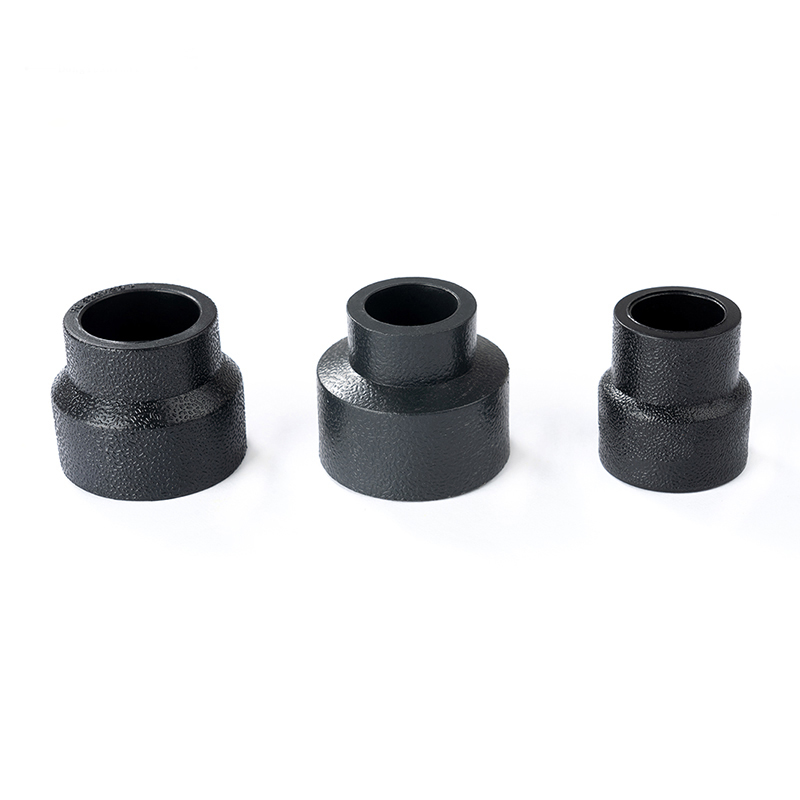
HDPE Pipe Fitting Categories and Basic Functionality
HDPE pipe fittings are the essential parts that unite various HDPE pipe systems and facilitate the seamless flow of the entire pipeline. The most common types include male elbows, butt fusion elbows, male tees and HDPE compression fittings. Each has its own structural design to cater for different connection requirements. Male elbows and butt fusion elbows are primarily for pipeline directional change within the systems and are suitable for small diameter cable conduit laying as well as large diameter water supply pipeline re configurations. Male tees are Significant in the branch piping connection and are most used in the urban water supply ring main with several water offtake. Given the ease of installation, compression fittings are most preferred for the quick connection of temporary piping or for onsite emergency piping repairs. As a rule of thumb in engineering design, the fitting type used should correspond to the piping diameter and the working pressure of the system. This has been the outcome of over 30 years of experiential learning in the manufacture of plastic piping systems.
Technical Benefits and Application of HDPE Pipe Fittings
The remarkable benefits HDPE pipe fittings offer are the reason for their extensive use across various engineering disciplines. Most HDPE pipe fittings incorporate butt fusion fittings that enable molecular fusion to form a seamless junction to HDPE pipes. This fusion eliminates the potential for water leakage that occurs easily in conventional systems that use gaskets. In addition, HDPE pipe fittings provide great axial and radial load resistance as well as corrosion resistance. They are also flexible and can withstand groud movement as well as environmental changes that would normally damage a pipe. Last but not least, the SDR11 series of HDPE pipe fittings is manufactured to suit the pressure requirements of urban water supply renovation projects. This series is also able to withstand the geotechnical limitations of outdoor pipeline laying. It is these attributes that permit the use of HDPE pipe fittings in drainage, water supply, industrial fluid transit, and cable protection systems. In the Lusaka Zambia sustainable water source project, the HDPE pipe fittings managed local geotechnical challenges to maintain the functionality of the underground water supply pipeline system.
Strengths and Practical Importance in Construction Engineering
Utilization of HDPE pipe fittings in actual engineering constructions is of great practical importance for further control of costs, maintenance, and for the overall efficiency of the installation process. Hot melt connections are easy to execute and, unlike traditional methods, there's no smoke or odor created from the process, thus enhancing the overall efficiency of construction by a minimum of thirty percent. Besides, HDPE materials are extremely durable and last upwards of fifty years. This means pipeline maintenance is seldom, if ever, required, and maintenance costs are virtually eliminated. During construction, the appropriate welding tools must be used in conjunction with the fittings, and the surface of the area being joined must be in the same plane to prevent any defects in the joint. For example, a leading drilling company in Zambia recognized the usefulness of fittings to the water source project and the fittings’ stable performance caused a significant reduction in maintenance after the project was finished.
Industry Certification and Authoritative Regulation
There are regulations and industry certifications in the manufacturing and use of HDPE pipe fittings, which are a guarantee of the quality of the products and safety of the systems. HDPE pipe fittings that are certified as compliant have undergone the GB/T19001 quality management system certification. This certification guarantees that the company has quality management systems in place, including systems that ensure that all incoming materials used in manufacturing are of the highest quality and that each step of the manufacturing process is closely monitored and controlled to ensure compliance. Additional certifications include Wras certification, which is held by some HDPE pipe fittings used in water supply systems and is recognized and accepted as the most reputable certification in the water supply industry globally. HDPE pipe fittings produced within the industry’s marketplace in the world must also be produced accordingly to the region’s industry standards, specifically including but not limited to, the pressure and sizing standards of the European and North American marketplace. This has proven through countless successful export initiatives.
Adding Value to Engineering Contracts for the Supply Chain and Commercial Value of HDPE Pipe Fittings
Looking at the whole life cycle cost, the supply chain for HDPE Pipe fittings is value adding to the engineering contracting partners, and to the most degree. HDPE pipe fittings have an average initial investment, but with low maintenance costs and longer service life, the total costs of the pipeline systems are lower than that of the metal and concrete pipe fittings along with an ROI that exceeds 100 years. A supply chain that is stable is critical for the execution of the engineering project, for instance, an engineering project client located at the drainage project of Puerto Rico, United States, has a sustained and stable supply relationship with a professional manufacturer whereby 7 40HQ containers of HDPE pipe products are supplied per year, thus, allowing for uninterrupted construction of the local drainage project. Furthermore, professional manufacturers offer all-inclusive procurement packages and custom fittings of various brands, colors, and sizes, thus, completely satisfying the unique requirements of various engineering project contracts.
Manufacturing and Supply Capability in Global Engineering
The global engineering sector's application of HDPE pipe fittings is due in large part to the powerful manufacturing and supply capability of the specialized plastic pipe manufacturers. Shentong boasts over 30 years of experience in the plastic piping industry, with a factory spanning 10,000 square meters and over 1,000 tons of stock, and this guarantees the prompt supply of HDPE pipe fittings to large scale engineering projects. The manufacturer possesses an entire production line for HDPE pipe fittings, from small diameter silicon core pipe fittings used for the protection of cables, to large diameter reinforced spiral corrugated pipe fittings used for drainage. The manufacturer also provides a full set of customized fittings, including special hoses of varying diameters, elbows, and flange sockets, so engineering companies no longer have to scour for parts. With 24 hour responding and one stop service, Shentong has been able to export HDPE pipe fittings to East Europe, America, Africa, and has been highly appreciated by clients across the world for superior quality and consistent supply chain service.
Table of Contents
- HDPE Pipe Fitting Categories and Basic Functionality
- Technical Benefits and Application of HDPE Pipe Fittings
- Strengths and Practical Importance in Construction Engineering
- Industry Certification and Authoritative Regulation
- Adding Value to Engineering Contracts for the Supply Chain and Commercial Value of HDPE Pipe Fittings
- Manufacturing and Supply Capability in Global Engineering