Home > News > Industry News
The construction of water supply systems has grown to depend on the engineering use of HDPE pipes because they are one of the few pipes that can be relied upon to capture and maintain the integrity of the water. They are also compliant with even the most restrictive and demanding health standards or certifications (e.g., NSF), because the pipes are non-toxic and do not leach harmful chemicals into the water. Their use is not limited to urban supply systems. They are also very effective in rural supply systems where the construction of the supply system must include a provision for the transportation of safe drinking water.
The only way water supply systems can be done is to use pipes that can bear pressure. The HDPE pipes are unpressurized pipes that can carry water from urban supply systems and have been very effective in performing that job. The pipes of the SDR11 series have consistently performed at the required pressure when supply systems have been upgraded. Furthermore, the unique smooth inner surface of the pipes has unpressurized pipes. water supply systems can operate efficiently at low energy levels because they minimize friction on the water being supplied and, consequently, the energy required for the pumping system. HDPE pipes, unlike many of the traditional pipe materials, are not corroded by the chemicals that are present in the water supplies, and that is why they are guaranteed to function effectively and efficiently for long periods of time even under unfavorable water supply conditions.
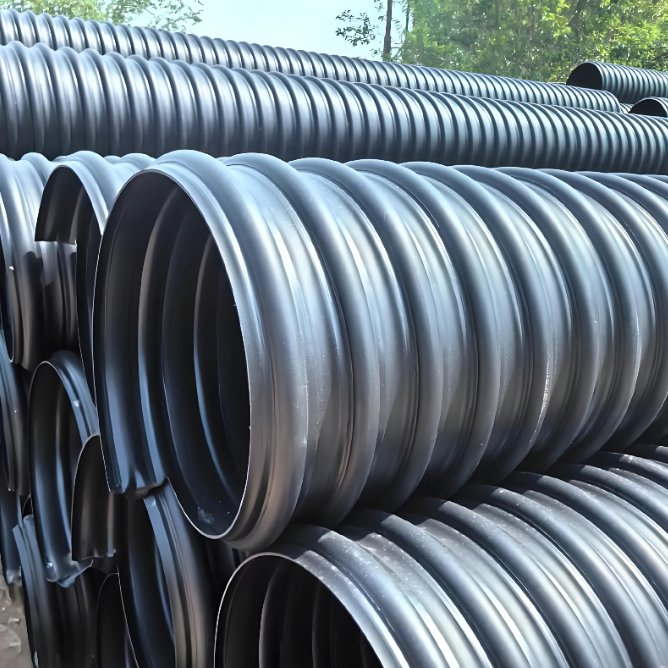
In the engineering of drainage systems, HDPE pipes are the most reliable when it comes to stormwater drainage, and wastewater drainage engineering is where they are most effective. Since HDPE has a higher than average toughness, the engineering use of the pipes is effective even when the pipes are buried deep in the soil, and they are being laid under the surface of the traffic.Reinforced spiral corrugated HDPE pipes are especially beneficial in major drainage projects because they are capable of withstanding large flow rates. They are applicable to urban stormwater management and industrial wastewater discharge. For instance, we supply HDPE double-wall corrugated pipes to Puerto Rico every year, and we’ve consistently received reliable drainage feedback from our drainage management products. Furthermore, the materials resistance to clogging means less maintenance to be done, which is very advantageous for the operation of long-term drainage systems.
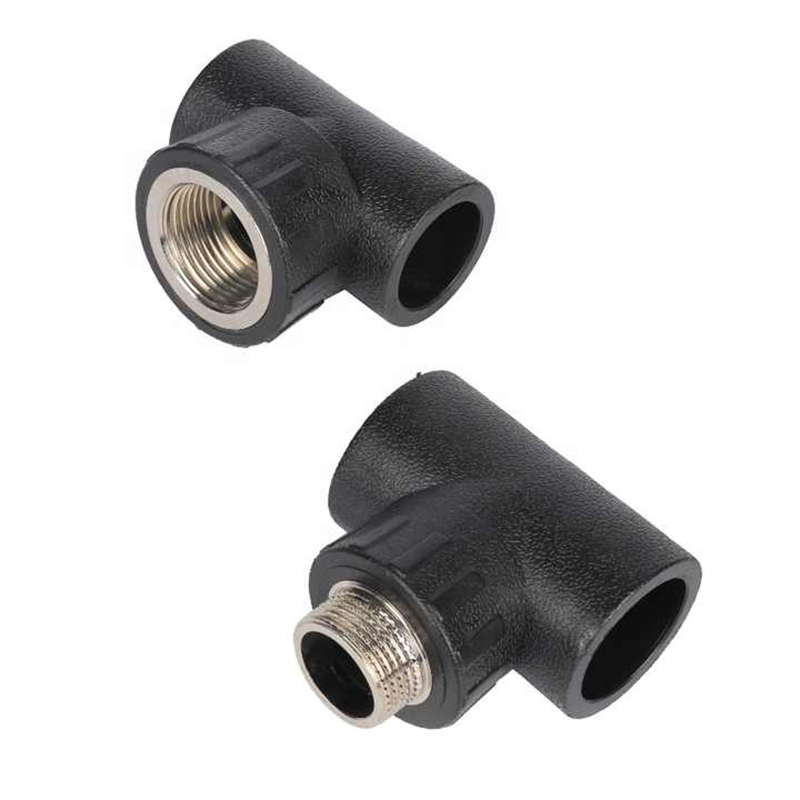
In electrical and communications engineering, the protection of underground cables is optimally done with HDPE pipes. For this application, Silica-Core HDPE pipes, which can be 32mm, 40mm, or 50mm in diameter, provide the best support and protection. They offer a clear linear pathway that facilitates the installation and maintenance of cables.
The internal wiring within these pipes can endure chemical corrosion and moisture-related corrosion. When engineering infrastructure projects that require the placement of power and communication lines underground, HDPE cable conduits can provide a cost-effective and durable method of protection. When the conduits need to be installed, professional engineers can do so without much effort. The conduits can be adapted to a variety of different soil types, which helps to minimize cable breaks that can be problematic and disrupt vital services.
In industrial engineering projects, oil and gas applications, and chemical processing, polysulfone and HDPE pipes are used widely and for good reason. These pipes are frequently utilized within chemical processing facilities due to the need for resistance against corrosive materials. The materials meet the required ASTM standards, meaning they can be used for a wide variety of chemicals without the risk of structural degradation.
Furthermore, industrial water supply, and cooling systems, utilize HDPE piping due to its increased life expectancy of over 50 years. This life expectancy allows industries to minimize and eliminate frequent replacements during operational processes, making their long-term operational expenses less. When utilized in an HVAC system, these pipes can contribute to the energy efforts of cooling industrial buildings as they have a tendency to contribute to energy-efficient efforts by transferring heat through the system. These pipes are deemed flexible and more advantageous for the customization and fitting compatibility due to the diverse variations they can offer for industry specific projects.
HDPE pipes help engineers build many structures like roads, landfills, and soil stabilization projects. Their flexibility prevents cracks and leaks that can ruin the structures. In landfills, leachate can be collected using HDPE pipes. Since HDPE pipes are chemically resistant, soil and groundwater won’t be contaminated.
In roads and highways constructions, HDPE pipes are used as culverts to control the water flow that goes under the roads. Because of their lightweight, transportation and installation is a breeze, construction time is diminished, and labor costs are lowered as a result. Because they can withstand the extremes of winter and summer, civil engineers can rely on HDPE pipes to construct durable and sustainable infrastructures.

Shijiazhuang Shentong provides high-quality HDPE, PPR, and PEX pipes for building, municipal, and industrial applications. OEM/ODM services, ISO-certified production, and export to 60+ countries. Request free samples today.
Luancheng District, Shijiazhuang City, Hebei Province.
Copyright © 2025 by Shijiazhuang Shentong Plastic Industry Co., Ltd. Privacy Policy
 EN
EN

 Hot News