Home > News > Industry News
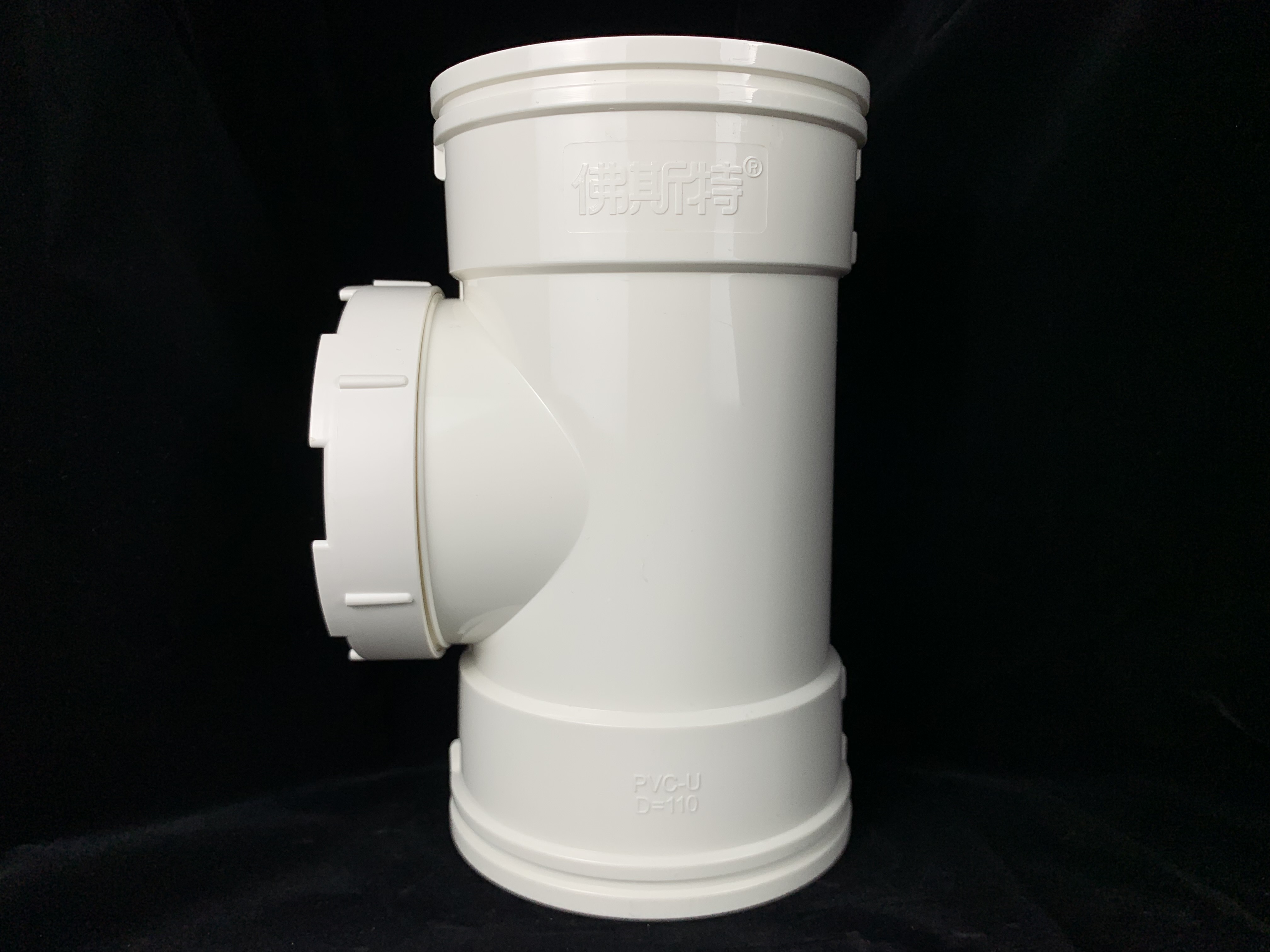
Within drainage systems, the best alternative for the corrosion and chemical resistance need is unquestionably the plastic uPVC pipe systems. Compared to metal and concrete systems, uPVC does not initiate or sustain reactions with wastewater, soil, or the industrial effluents which have varying and extreme pH levels, because of the molecular makeup of uPVC being nonporous and the negative charge of the molecular surface not being able to neutralize or chemically bond with the hydrogen, alkaline, or saline (salty) particles. In the most authoritative drainage standards/systems, uPVC is the most recognized plastic pipe for drainage systems because of service life and extreme environments, and most importantly, in the chemical environment, it is most recognized for being non-degradative in the drainage environments. The practical meaning of the most recognized and accepted drainage systems/standards is that the uPVC pipes do not corrode, rust, or leach toxic and harmful contaminants into the water or soil and they are safe for all projects; commercial and residential.
Rigid structural components are important for drainage systems that need to last for decades. uPVC pipes are built to specific stiffness ratings. One case involved a customer from Puerto Rico, who had been using uPVC drainage pipes for many years. The customer still reports that the pipes keep their shape and functionality without any cracks or deformation, even over years and years of moderate soil compaction. The combination of the structural rigidity of uPVC and the excellent manufacturing conditions, give the pipes the ability to withstand the weight of the backfill, while not failing due to environmental stress. This capability diminishes the risk of failure and the resulting costly repairs.
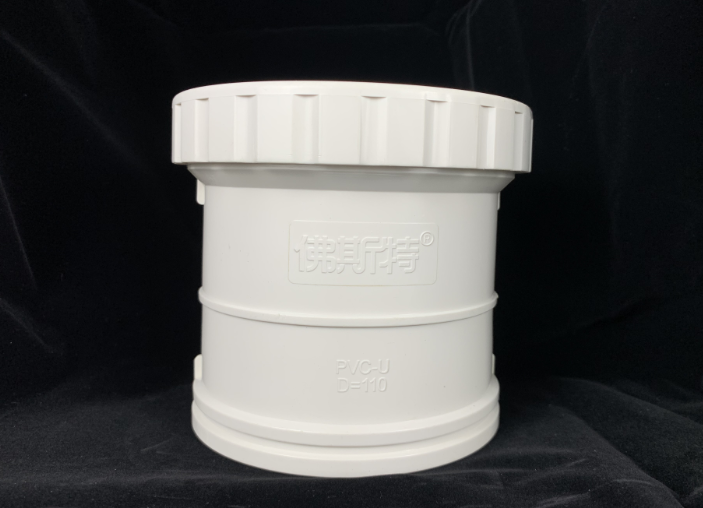
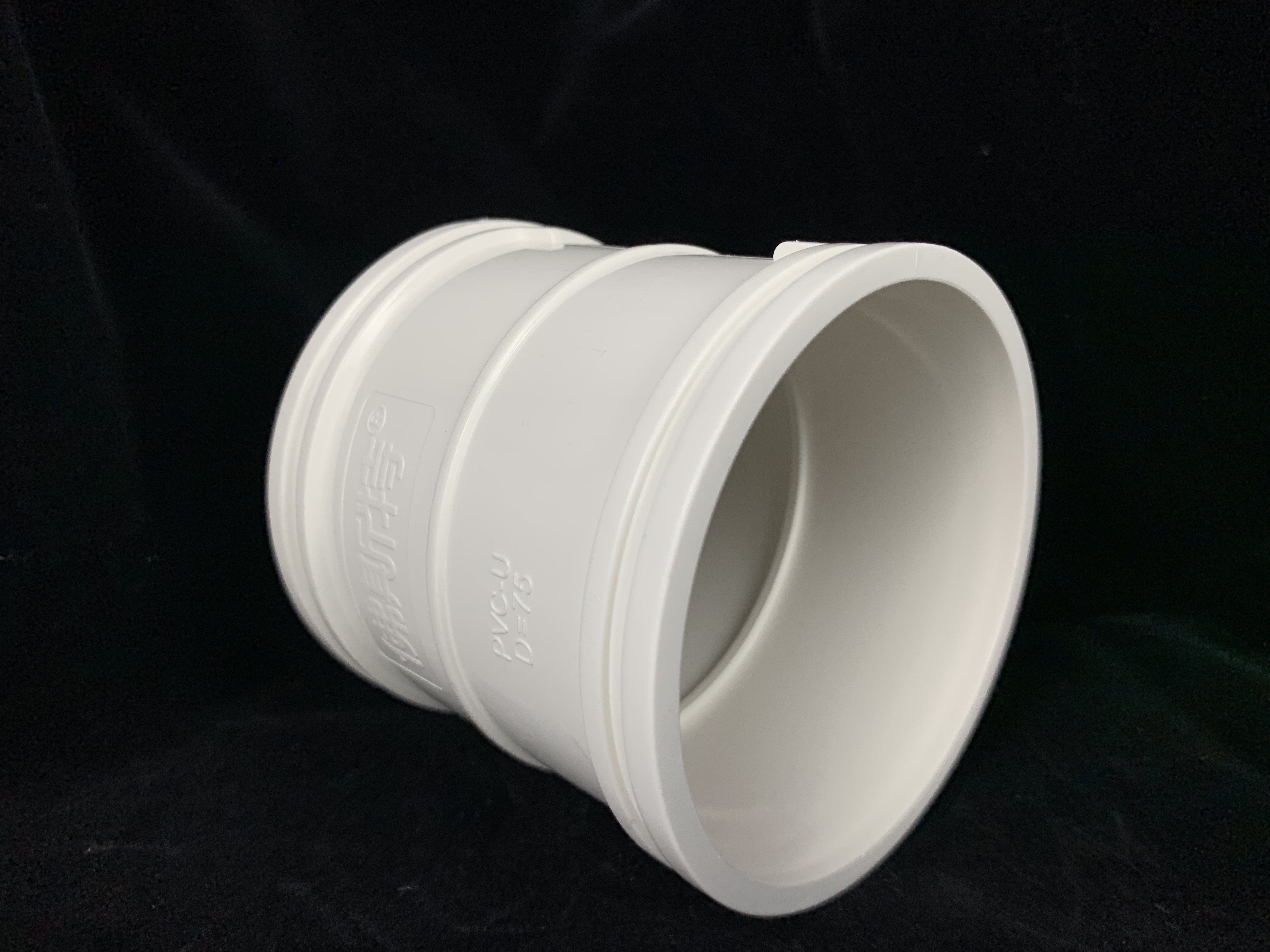
The inner surface of uPVC pipes is designed to be as smooth as possible in order to help reduce the friction in the pipes. This design permits water to efficiently flow through the pipes and helps ensure that drainage takes place quickly. A design that is more optimal also means that there will be a lower chance of pipes clogging due to debris. The uPVC design that permits the inner lining to be smooth allows for wastewater to flow through and even in low slope drainage systems. This decreases the need to use larger pipes to get the desired low flow rates and improves the use of materials and installation space. The overall efficiency of the systems allows for less time and money to be spent to maintain the uPVC systems in order to remove blockages and the overall uninterrupted flow allows for the systems to be used in a more optimal manner.
Due to their whole life cost savings, uPVC pipes are a commercially viable option for drainange projects. They are lightweight, which reduce transport, and install, reducing labor costs, when compared to concrete or steel. Plus, pipes are easy to source in large quantities and will not delay a project because of stock issues, uPVC hoses will have long operational life and cost savings because of corrosion resistance and low maintenace. Customers feel that uPVC hoses have a 20 to 30 percent cost advantage over other materials when considering whole life costs. And, there is assured no compromise in quality to its low cost. uPVC hoses are a project budget friendly global quality option.
uPVC drainage pipes are certified and manufactured under strict international quality standards, making them reliable and suitable for global use. Certifications such as ISO 9001 (with GB/T19001 2008) guarantee that the manufacturing and engineering processes are held under strict quality management and control. These standards regulate the material, wall thickness uniformity, and stability under various conditions to meet the needs and standards of the given region. Industry associations and experts confirm that risks in the drainage system can be minimized when pipes are compliant, as pipes without standards are more likely to fail. For clients working in varied cultures and laws, compliance levels grant peace of mind that the solution meets local safety and performance requirements.
uPVC pipes are adaptable when it comes to different soil types and other environmental conditions. Drainage projects can be done anywhere in the world! The pipes perform equally in all types of soil. Even if the soil is acidic, alkaline, or permeable, the pipes will not degrade. The ASTM D2321 regulations guide this adaptability, which focuses on matching the soil and moisture conditions to the types of pipe materials. For example, uPVC pipes can be used in long clay soil regions that retain moisture in its middle because of uPVC moisture-related damage. In addition, uPVC pipes are suitable for areas of varying climatic conditions. The pipes remain the same without becoming brittle or warping. Overall, uPVC pipes are suitable for urban, suburban, rural, and industrial areas without the need for interchangeable materials.Little Maintenance Needed and Operational Reliability
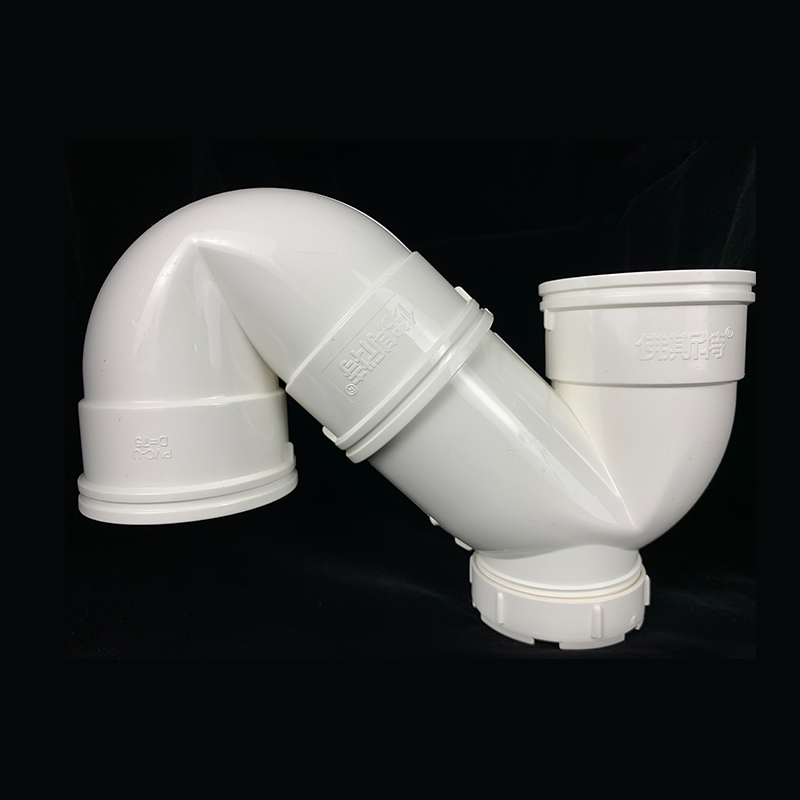
Installing uPVC pipes into a drainage system is always a great option because of how reliable and low maintenance they are. The design of the pipes allows for them to be resistant to build up from sediment and other harmful material, making them great as a long term investment for plumbing. Many clients are pleased to find that they often do not have to do maintenance plumbing for years. As an added bonus, the fittings, glue, and miscellaneous plumbing fixture bundles that they come with allow for a quick and simple installation, reducing the chance of leaks. This is especially valuable with drainage systems because there is often a lot of money to be lost with water damage and downtime from a system failing. This is why uPVC pipes are excellent for plumbing systems and why our clients prioritize them.

Shijiazhuang Shentong provides high-quality HDPE, PPR, and PEX pipes for building, municipal, and industrial applications. OEM/ODM services, ISO-certified production, and export to 60+ countries. Request free samples today.
Luancheng District, Shijiazhuang City, Hebei Province.
Copyright © 2025 by Shijiazhuang Shentong Plastic Industry Co., Ltd. Privacy Policy
 EN
EN

 Hot News