Home > News > Industry News
The first step on picking drainage pipes is learning about soil types on the property. Each soil has its own individual characteristics that influence the quality, durability, and effectiveness of drainage pipes. For example, moisture is retained longer by clay soil, which has low permeability. This means the pipes will be subject to a lot of moisture erosion. On the other end of the spectrum, sandy soil is highly permeable, but due to its soil particles, it can cause considerable damage to the drainage pipes. Therefore, the drainage pipes need to be made with soil perforations and have high resistance to corrosion. Loamy soil, which is made of equal parts of clay, sand, silt, and moisture has moderately stable permeability, which means it needs pipes that have a good balance of pressure and a good anti-corrosion property. Each soil type and pipe combination makes it possible to have a focus on the pipe attributes that can best provide the soil characteristics that have been described.Understanding the soil type is essential in construction processes so that the drainage system is built in a way that is prevents pipes from clogging, cracking, leaking, and losing value due to ineffective drainage, costly maintenance, and costly project risks.
When it comes to soil adaptive drainage pipes, there are a few technical indicators that must be taken into consideration for the soil type. Pipes that are unsuitable for a soil type will corrode quickly, so it is important that the pipe has some corrosion resistance. Pipes used for construction that have a molecular structure that is stable, such as the HDPE pipe, are best used for harsh soil conditions as they do not corrode easily due to chemical media in the soil. Another technical indicator is pressure bearing capacity, which is critical for construction in compacted construction. Pipe construction of the reinforced spiral HDPE pipes of grades Sn8, Sn10, or Sn12.5, are used for construction in high pressure soil construction. Another technical indicator, which is used for construction is abrasion. The best construction soils used are those for which the pipe will not be easily damaged during the construction.
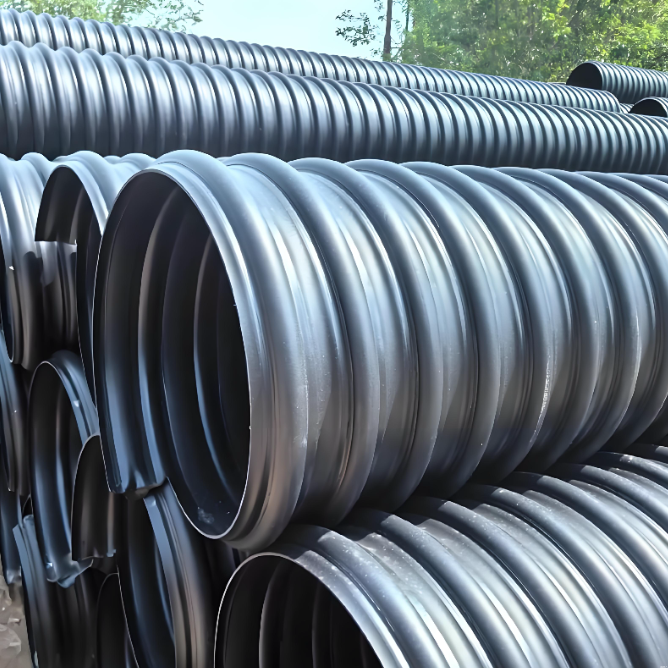
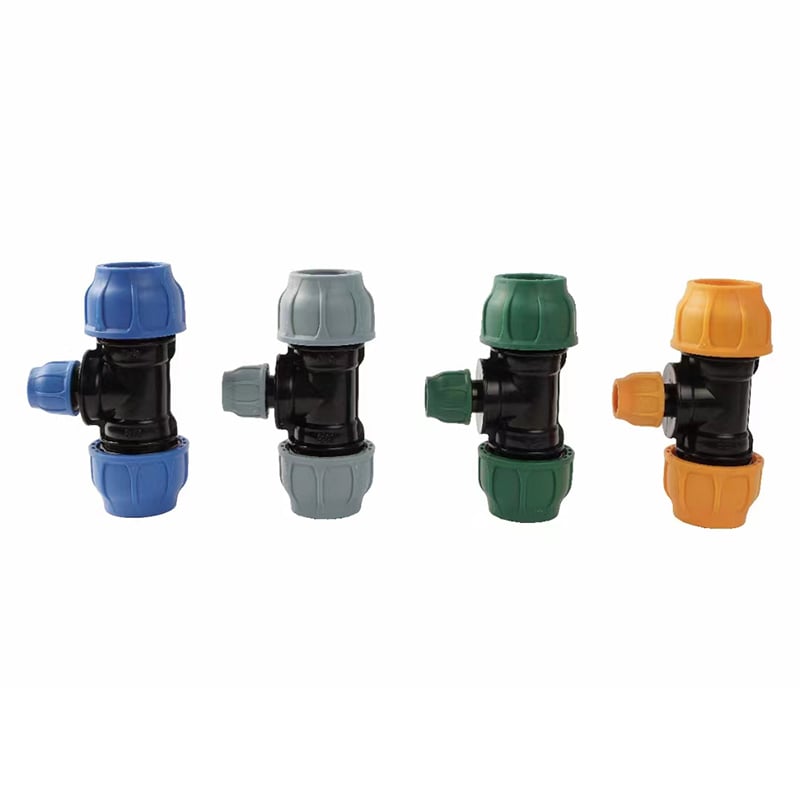
Finding the best balance for total costs is essential for any job. In clay soils, investing in an HDPE double-wall corrugated pipe is a good option. These pipes have increased pressure bearing abilities and increased lifespan with corrosion resistance. This leads to a reduction in the need for replacement which in turn lowers the lifecycle costs for a more durable pipe. In sandy soils, investing in a PVC drainage pipe is more cost effective. These pipes also have increased corrosion resistance, and are also lightweight and easy to install. This helps them meet the quality requirements for sandy soils, but also cuts down on a labor costs due to the easy install. In loamy soils, balance is hit with a PP compression fitting equipped drainage system. These fittings on the pipes give a solid connection that prevents a loss of drainage with a cost efficient option. Avoid investing too much on advanced pipe systems for mild soil conditions, but also do need to sacrifice the quality of the drainage pipes just to cut down on the costs in the beginning. This type of route will lead to increasing replacement and maintenance costs in the future.
Many projects fail with drainage due to soil-pipe matching mistakes. One is forgetting to consider soil moisture when picking a pipe. Waterlogged is a soil type that requires an impermeable and pressure-resistant pipe. Meanwhile, some projects use simple pipes that will crack due to moisture fault soil expansion. Another is overlooking the soil particle size. When there is insufficient wear, a pipe will suffer from exposed gravel soil and will be less permeable and more prone to clogging. Also, with no long-term soil changes, such as gradual soil compaction and changes in the soil chemical constituents, pipes will not be able to adjust to some changes over time. These mistakes can be avoided with soil analysis before selection and the recommendations of an expert.
The ultimate goal when choosing drainage pipes is to strike a balance between professional performance and commercial value. For instance, good drainage pipes may offer reliable performance that reduce downtime, maintenance, and replacement costs, therefore providing long-term economic value. While even the highest quality pipes come at a premium initial value, pipes like the HDPE, which have certifications and quality control from all over the world, provides great value. HDPE’s priced competitively due to a variety of value adding production proc
Moreover, adjustable lengths and fittings are great value adding options that provide flexibility so that the HDPE’s can best serve to meet differing and custom soil conditions without unnecessary added costs. Corrosion resistance, pressure bearing, and stretchable capacity are all priced to make them unobstructed and ultimate value to drainage systems. Urban infrastructure, rural water management, and industrial applications are all places that economically great drainage pipes are needed.

Shijiazhuang Shentong provides high-quality HDPE, PPR, and PEX pipes for building, municipal, and industrial applications. OEM/ODM services, ISO-certified production, and export to 60+ countries. Request free samples today.
Luancheng District, Shijiazhuang City, Hebei Province.
Copyright © 2025 by Shijiazhuang Shentong Plastic Industry Co., Ltd. Privacy Policy
 EN
EN
 Hot News